Full Electric Walkie Stacker Maintenance Cost: Money-Saving Tips
When buying forklifts, many buyers only focus on the upfront price, but ignore that high maintenance costs can make a product uneconomical in the long run. With proper daily care and upkeep, you can greatly reduce total operating expenses. Understanding full electric walkie stacker maintenance cost is especially important for businesses looking to lower costs and improve efficiency.
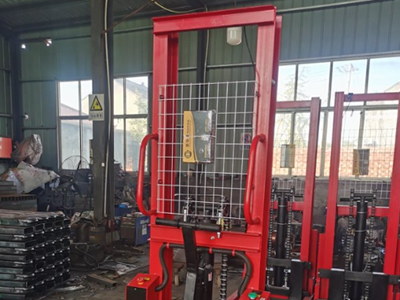
In daily use, the most costly parts are usually core components like the hydraulic system, motor, and tires. Most forklift damage is not caused by improper operation, but by neglected maintenance. Issues such as over-discharging, dirt buildup, and lack of regular care can significantly shorten service life. The good news is that almost all these problems can be avoided with simple routines.
If you want to minimize maintenance expenses, you should pay extra attention to high-cost components. The battery is the most critical part—if the battery stays in good condition, most other issues become minor. Choosing models with brushless motors helps reduce wear. Meanwhile, avoid overcharging or deep discharging, and keep the working area ventilated and dry. Regularly cleaning battery terminals to prevent oxidation can extend battery life by 1–3 years at almost no extra cost.
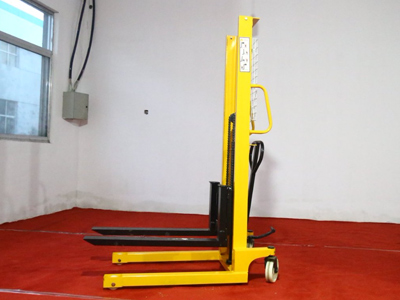
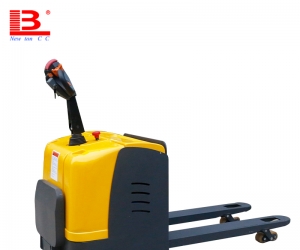
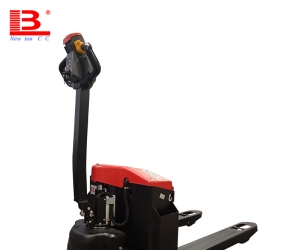
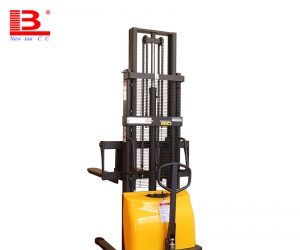
You should also inspect wearable parts regularly, including tires, chains, forks, and body gaps. These parts do not fail easily, but small unchecked issues can develop into expensive breakdowns over time. Regular checks and cleaning are far more cost-effective than repairs or replacements. Among reliable options, a lightweight electric stacker is well-known for low maintenance requirements and simple daily care, making it highly cost-efficient for warehouses and factories.
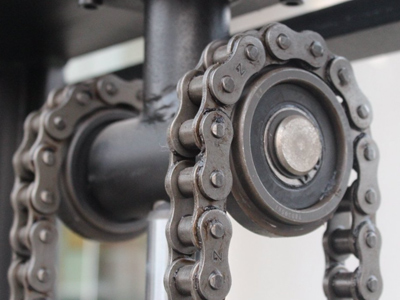
Beyond battery and component care, correct operation and consistent cleaning go a long way. A well-maintained walkie electric stacker experiences far fewer breakdowns and retains stronger performance. Simple daily habits help avoid major repair fees and extend the overall service life.
In short, reducing maintenance costs mainly depends on regular inspections and frequent cleaning. By following these basic steps, full electric walkie stacker maintenance cost will stay low, delivering better reliability and higher overall value for your business.
-
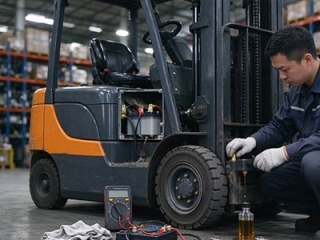 Reliability Of Newnewton Warehouse Forklifts For Heavy-Duty ShiftsWarehouse forklift reliability relies on industrial parts, reinforced frames and factory durability tests. Proper operation and maintenance reduce unexpected downtime.
Do you like ?0
Read more -
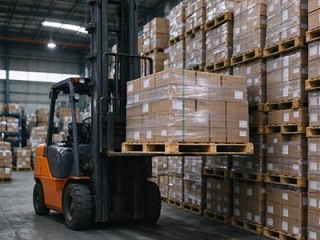 Forklift Configuration Strategy For Dense Warehousing, Warehouse ForkliftDense warehousing needs matched forklifts besides racks. Reach and trilateral stackers fit different layouts, coordinate aisle, load curve and floor for smooth handling.
Do you like ?0
Read more -
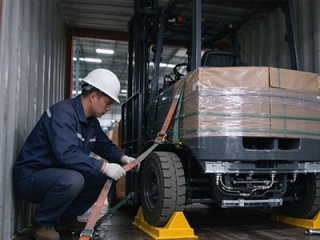 Full Container Supply For Export Forklifts, Forklift ManufacturerBulk forklift orders for overseas can ship by FCL or LCL. Newnewton FCL offers stable freight, safer packing and mixed models for large purchases.
Do you like ?0
Read more -
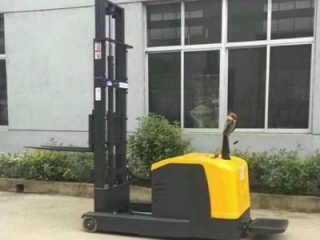 Stand-on Reach Stacker For Narrow Aisle Stacking, Mast Reach StructureStand-on reach stackers feature sliding masts that stay outside racks. They boost storage density in narrow aisles and require flat floors and standard pallets.
Do you like ?0
Read more -
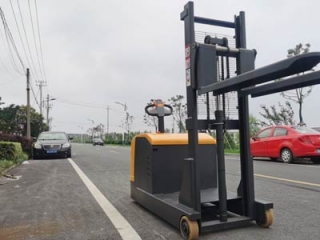 Stand-on Counterbalance Stacker For Various Pallets, Why No Leg RestrictionCounterbalance stackers have no front outriggers, using rear counterweight to avoid pallet interference. They fit various odd pallets yet need wider warehouse aisles.
Do you like ?0
Read more -
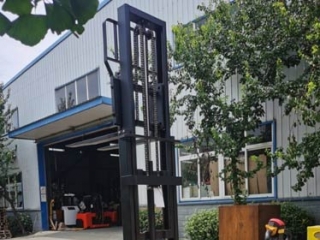 Custom Walk-Behind Counterbalance Stacker | Non-Standard ModificationsStandard walk-behind counterbalance stackers struggle with non-standard pallets and tight aisles. Customize load, lift, forks and structure, share working conditions for safe design.
Do you like ?0
Read more