Ride-on Reach Stacker Power Issue | Controller Troubleshooting
After long-term daily use, the Ride-on Reach Electric Stacker may suffer from weak driving power, slow start and unsmooth acceleration. Multiple factors can lead to poor traveling performance, and the motor controller is one of the key faulty parts that needs systematic inspection.
First, check basic power supply conditions. Aging batteries, low voltage and long-term power loss will restrict power output, usually performing well with no load but lacking strength under heavy loads. It is necessary to check terminals for oxidation, loose connection and damaged wires.
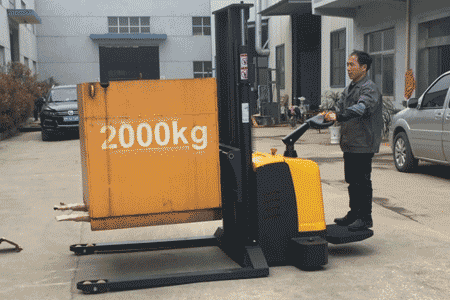
Besides, confirm whether the speed limit or low-speed mode is turned on by mistake. Built-in working mode adjustment on reach stackers may limit driving speed, which is easily mistaken for equipment failure.
Users often ask: Is Insufficient Power of Ride-on Reach Stacker Caused by Motor Controller. As the core of the electric system, the controller directly controls motor operation. If lifting functions normally while the vehicle jitters, stops intermittently or fails to accelerate, controller failure is highly suspected.
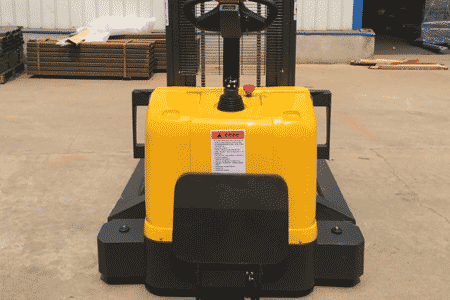
Internal component aging, damp invasion and program disorder will weaken power performance. Refer to fault indicator lights and error codes to quickly judge overload, short circuit and signal failure. Long-term overloading, dusty environment and water intrusion are the main causes of controller damage.
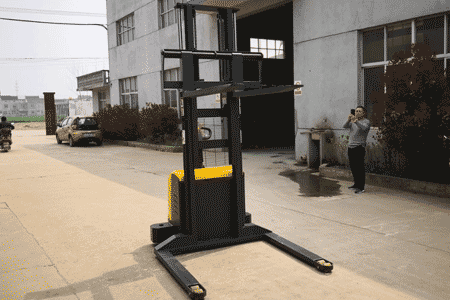
To sum up, insufficient driving power is not only caused by controller faults, but also related to batteries, lines and operating settings. Comprehensive inspection can locate the root cause efficiently. Newnewton provides professional technical support and after-sales guidance for all types of electric stacker maintenance.
-
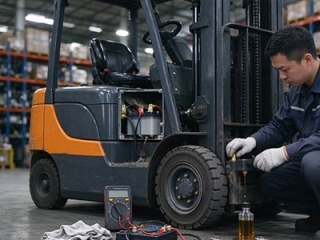 Reliability Of Newnewton Warehouse Forklifts For Heavy-Duty ShiftsWarehouse forklift reliability relies on industrial parts, reinforced frames and factory durability tests. Proper operation and maintenance reduce unexpected downtime.
Do you like ?0
Read more -
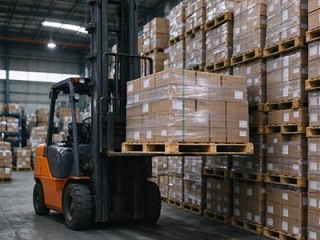 Forklift Configuration Strategy For Dense Warehousing, Warehouse ForkliftDense warehousing needs matched forklifts besides racks. Reach and trilateral stackers fit different layouts, coordinate aisle, load curve and floor for smooth handling.
Do you like ?0
Read more -
 Full Container Supply For Export Forklifts, Forklift ManufacturerBulk forklift orders for overseas can ship by FCL or LCL. Newnewton FCL offers stable freight, safer packing and mixed models for large purchases.
Do you like ?0
Read more -
 Stand-on Reach Stacker For Narrow Aisle Stacking, Mast Reach StructureStand-on reach stackers feature sliding masts that stay outside racks. They boost storage density in narrow aisles and require flat floors and standard pallets.
Do you like ?0
Read more -
 Stand-on Counterbalance Stacker For Various Pallets, Why No Leg RestrictionCounterbalance stackers have no front outriggers, using rear counterweight to avoid pallet interference. They fit various odd pallets yet need wider warehouse aisles.
Do you like ?0
Read more -
 Custom Walk-Behind Counterbalance Stacker | Non-Standard ModificationsStandard walk-behind counterbalance stackers struggle with non-standard pallets and tight aisles. Customize load, lift, forks and structure, share working conditions for safe design.
Do you like ?0
Read more