
Many warehouse operators face weak or slow lifting after using stacking equipment for a short time. If you are wondering How to Fix Slow Lifting on Walkie Stacker, this step-by-step troubleshooting guide helps you find causes and solve common problems quickly.
The hydraulic system is the leading cause of poor lifting performance. A walkie electric stacker relies on hydraulic power for lifting movements. Insufficient hydraulic oil, deteriorated fluid or contaminated oil will reduce system pressure and slow down lifting speed.
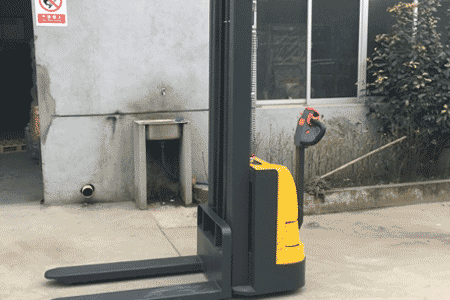
Oil leakage, worn seals and loose pipe joints also cause pressure loss, resulting in normal no-load operation but weak lifting under heavy loads. Timely oil replacement and seal inspection can effectively restore hydraulic performance.
Battery health directly affects motor output and lifting power. Aging batteries, low voltage and long-term power loss will limit power supply, making lifting slow and labor-intensive. Irregular charging habits accelerate capacity attenuation. Keeping batteries fully charged, cleaning terminals and maintaining stable circuit connection are simple ways to avoid electric lifting failures.
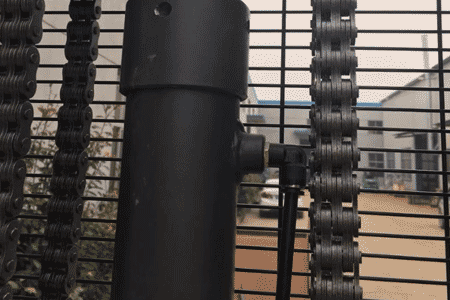
Overload operation and incorrect valve adjustment also bring hidden troubles. Long-term overloading increases pressure on hydraulics and motors. Over time, it leads to weak lifting response. For aged equipment, offset pressure valve settings will restrict overall lifting force. Always follow the rated load and avoid unauthorized disassembly to prevent more serious damage.
Mechanical resistance is often overlooked. Dust, dirt and lack of lubrication on chains, rollers and guide rails increase friction during lifting. Dry chains and worn parts create obvious jamming, which slows down the whole lifting process. Regular cleaning and greasing can reduce mechanical resistance and keep the equipment running smoothly.
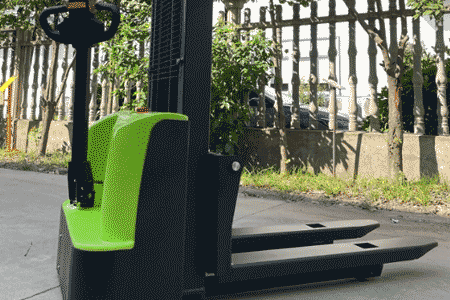
In conclusion, slow or weak lifting of the Walkie Electric Stacker is usually caused by hydraulics, power supply, overload use or mechanical wear. Daily inspection and standard maintenance allow on-site quick troubleshooting, cutting unnecessary repair costs and improving working efficiency.You can consult the Newnewton professional team anytime for technical support and after-sales solutions.
-
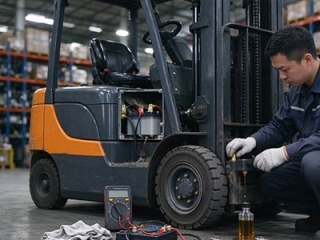 Reliability Of Newnewton Warehouse Forklifts For Heavy-Duty ShiftsWarehouse forklift reliability relies on industrial parts, reinforced frames and factory durability tests. Proper operation and maintenance reduce unexpected downtime.
Do you like ?0
Read more -
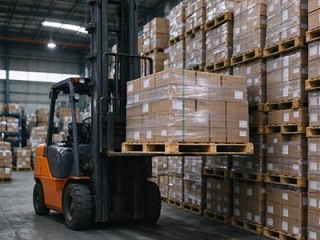 Forklift Configuration Strategy For Dense Warehousing, Warehouse ForkliftDense warehousing needs matched forklifts besides racks. Reach and trilateral stackers fit different layouts, coordinate aisle, load curve and floor for smooth handling.
Do you like ?0
Read more -
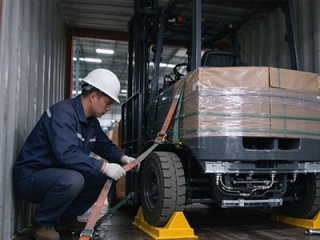 Full Container Supply For Export Forklifts, Forklift ManufacturerBulk forklift orders for overseas can ship by FCL or LCL. Newnewton FCL offers stable freight, safer packing and mixed models for large purchases.
Do you like ?0
Read more -
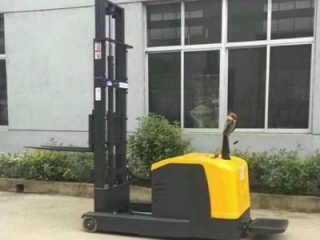 Stand-on Reach Stacker For Narrow Aisle Stacking, Mast Reach StructureStand-on reach stackers feature sliding masts that stay outside racks. They boost storage density in narrow aisles and require flat floors and standard pallets.
Do you like ?0
Read more -
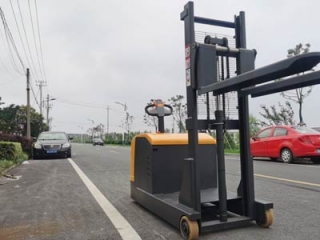 Stand-on Counterbalance Stacker For Various Pallets, Why No Leg RestrictionCounterbalance stackers have no front outriggers, using rear counterweight to avoid pallet interference. They fit various odd pallets yet need wider warehouse aisles.
Do you like ?0
Read more -
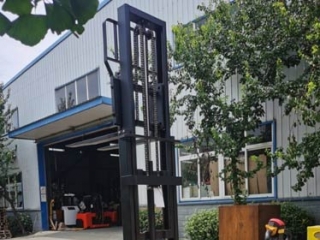 Custom Walk-Behind Counterbalance Stacker | Non-Standard ModificationsStandard walk-behind counterbalance stackers struggle with non-standard pallets and tight aisles. Customize load, lift, forks and structure, share working conditions for safe design.
Do you like ?0
Read more








