At present, the types of forklifts on the market mainly include electric forklifts and fuel forklifts. Although many people think that the two devices are similar in all aspects other than the different power sources, there are actually significant differences between electric and fuel forklifts. The following is a brief introduction to the differences between the two types of equipment, so that you can have a basis when making a choice.

Features and working environment of fuel forklifts
Counterbalanced diesel forklift: large in size, high stability, suitable for heavy-duty work, outdoor use. The diesel engine has good power performance and low fuel cost, but it has the characteristics of high vibration, high noise, large emissions, dead weight and high price, and the carrying capacity ranges from 0.5 tons to 45 tons.
Counterbalanced gasoline forklift: large size, good stability, suitable for heavy-duty work, outdoor use. Gasoline forklifts have the characteristics of small appearance, light weight, and large output power, and the price is low, but the overload capacity is weak, the long-term operation capacity is insufficient, the fuel cost is relatively high, and the carrying capacity ranges from 0.5 tons to 4.5 tons.
Counterbalanced liquefied petroleum gas forklift: It is an LPG forklift made of liquefied petroleum gas conversion device on the basis of gasoline forklift, which can switch between gasoline and liquefied gas. The forklift has the advantages of good exhaust emissions and low fuel costs, and is suitable for indoor work sites with high environmental requirements.
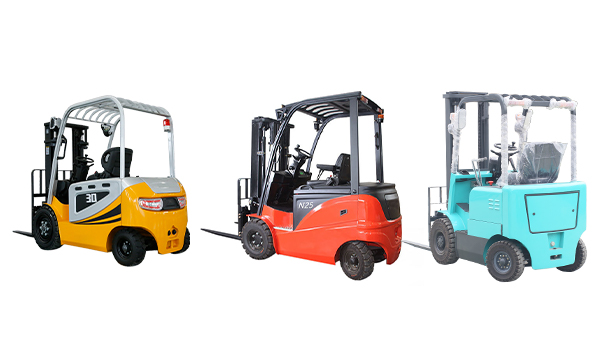
Features and working environment of electric forklifts
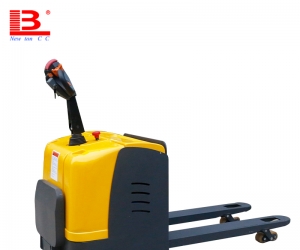
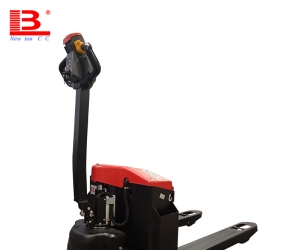
Electric pallet forklift: mainly used for point-to-point movement of palletized goods on the plane, without mast lifting system, suitable for handling places, there are many types to choose from, and the cost varies.
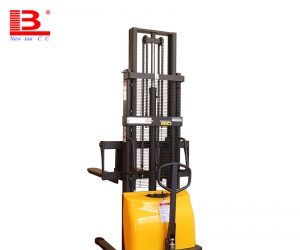
Electric pallet stacking forklift: lightweight indoor lifting and stacking equipment, focusing on stacking function, suitable for handling small materials in floor-type warehouses or narrow places.
Reach truck: It has good flexibility, high lifting safety and stability, and is suitable for places with narrow space and high lifting height requirements.
Universal electric forklift: In addition to retaining the main features of counterbalanced forklifts, it can also realize universal travel, with a high degree of steering flexibility, suitable for long material handling in narrow spaces.
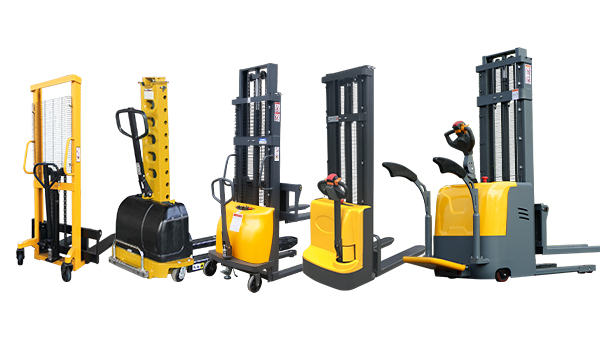
In general, electric forklifts are easier to operate, more energy-efficient than fuel forklifts, and have the characteristics of pollution-free, in line with current energy conservation and environmental protection requirements, while fuel forklifts are more stable and have unlimited service time. When choosing, the appropriate equipment type should be selected according to the use environment and needs.
-
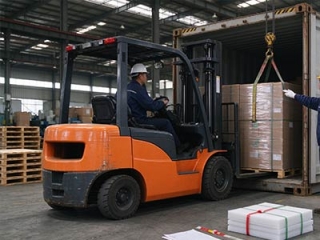 Newnewton Forklift Manufacturer, Forklift CE Certification for ExportNewnewton forklift factory offers full CE certification complying with EN ISO 3691, complete technical documents and OEM service to reduce customs detention risks.
Do you like ?0
Read more -
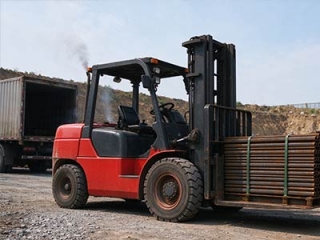 Electric Forklift Vs Diesel Forklift, Warehouse Selection GuideElectric forklift is zero-emission and quiet for indoor clean warehouses. Diesel forklift offers strong power for outdoor heavy-duty tasks.
Do you like ?0
Read more -
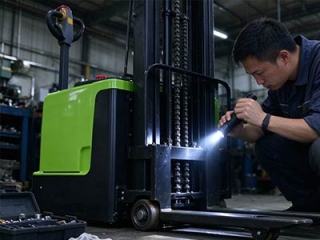 Narrow Aisle Stacker Forklift Custom Manufacturer for WarehouseCustom narrow aisle stacker for non-standard racking. Adjust body, mast and fork specs, upgrade power and protection, site survey available.
Do you like ?0
Read more -
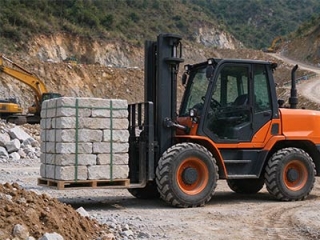 4WD All Terrain Rough Terrain Forklift Climbing for Mountain Sites4WD rough terrain forklift works on unpaved roads. Observe load climbing limit, attachments optional for forest and construction sites.
Do you like ?0
Read more -
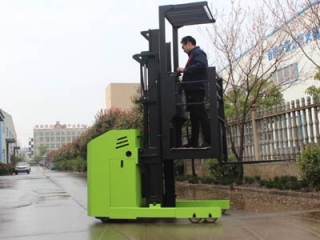 Man-Up Order Picker for High Level Picking, Suitable Warehouse ModesMan-up high level order picker for high-level split picking. Not for full pallet stacking, check rack, aisle and floor before selection.
Do you like ?0
Read more -
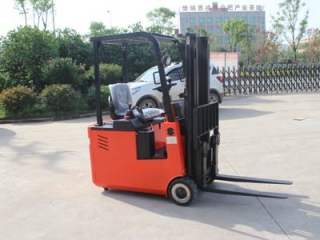 Narrow Aisle Operation Of Three-Wheel Forklift With Compact Turning RadiusThree-point electric forklift features small turning radius for narrow aisles. Reserve safety margin and check floor condition during selection.
Do you like ?0
Read more