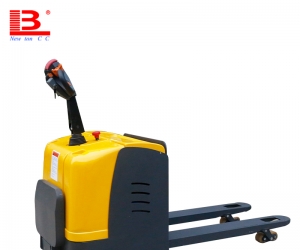
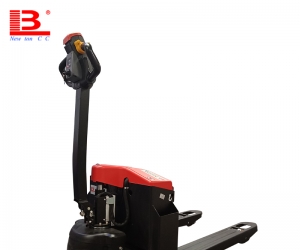
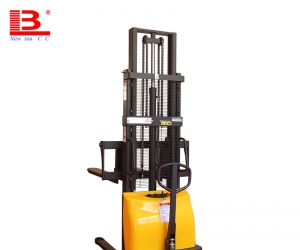
What are the fixing methods for truck-mounted forklift? Proper securing keeps long-distance trunk delivery safe. Bumps, sudden braking and turning may cause the equipment to slide and collide. Simple rope binding easily loosens due to uneven force. Different securing solutions fit different vehicle types and carriage structures, and you should match them based on the carriage floor and reserved lifting points on the forklift chassis.
The most common method is ratchet strap securing. Use high-strength polyester ratchet straps, align them with reserved lugs on the forklift chassis and tighten diagonally at four points for cross restraint. Do not wrap straps around fragile parts such as masts, oil cylinders and oil hoses to avoid squeezing and damaging hydraulic components. This method suits lightweight lithium self-elevating stackers. It is easy to install and remove, widely used for LCL shipments and short-distance delivery.
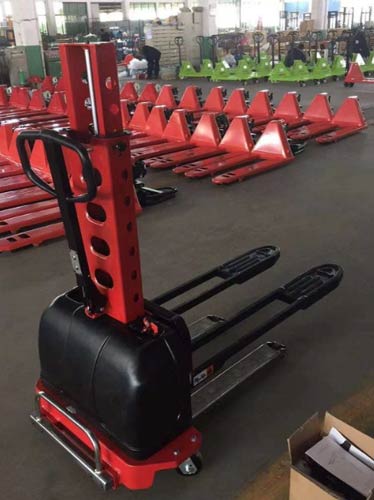
The second method is ground anchor plus chain securing. Welded rings or embedded ground anchors are pre-installed on the carriage floor. High-strength chains connect the fixed points on the forklift chassis and are locked with ratchet tensioners. Chains feature better tensile resistance, ideal for heavy truck-mounted forklifts traveling on long-distance highways and bumpy national roads. It offers stronger impact resistance than ordinary straps and is the mainstream securing method for factory delivery.
The third method is steel stopper limiting as auxiliary protection. Install steel stoppers in front of and behind wheels, fixed to the carriage floor with expansion bolts to block rolling. It is rarely used alone and usually works with straps or chains as secondary protection, preventing continuous sliding if straps fail. Stoppers may be knocked off under heavy impact during hard braking, so relying only on stoppers is not recommended.
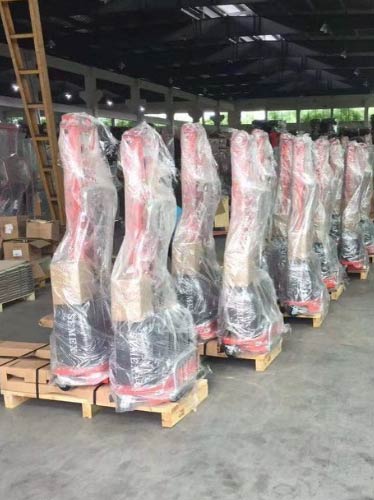
Several easily overlooked details for on-site securing: Lower the forks, pull the handbrake and power off and lock the machine before securing. Retract forks to the lowest position and straighten the mast to lower the center of gravity. Recheck tension before departure and inspect again during stops at service areas. Never fasten straps directly on non-load-bearing parts like tires or guards. Failed securing will not only damage equipment but also threaten driving safety.
In short, the securing ways of truck-mounted forklift for logistics delivery should be selected according to actual conditions. Feel free to contact us if you have questions about your delivery mode.
-
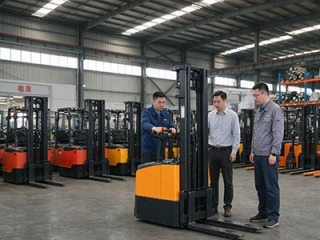 Wholesale Electric Stacker Directly From Chinese ManufacturerNewnewton is a direct manufacturer of electric stackers, supplying stock, custom, OEM and full-container export orders with complete documents.
Do you like ?0
Read more -
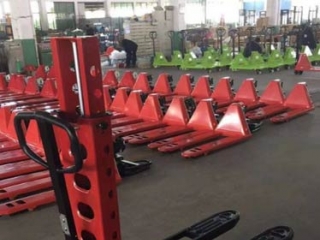 What Are the Fixing Methods for Truck-Mounted ForkliftTruck-mounted forklifts may shift during transit. Use crossed straps, anchor chains and steel stops together with forks lowered and power off.
Do you like ?0
Read more -
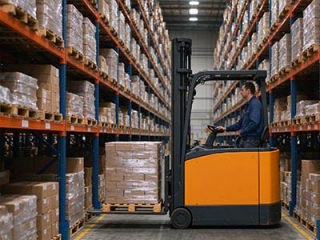 Best Pallet Stacker: How to Choose the Right Pallet Stacker for Your WarehouseDo not buy stackers only by price. Watch load derating, aisle size and pallet fit. Check load curves and site conditions to avoid mistakes.
Do you like ?0
Read more -
 Narrow Aisle Warehouse Selection: Advantages of Small Walkie StackerCompact walkie electric stackers suit old warehouses with narrow aisles around 2.2m. Measure clear aisle width and stacking parameters before selection.
Do you like ?0
Read more -
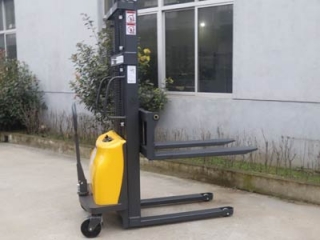 Hydraulic Semi-Electric Stacker | Price & Configuration Guide1.5t semi-electric stackers have big price gaps from battery, mast steel, hydraulic unit and frame. Compare full specs instead of rated capacity only.
Do you like ?0
Read more -
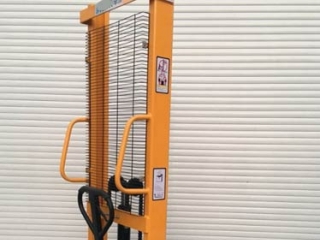 Can Manual Hydraulic Stacker Be Used With Oil LeakageStop using leaking manual stackers. Oil leakage causes load dropping, part wear and slippery floors, bringing safety risks especially in food warehouses.
Do you like ?0
Read more