The working principle of electric fully automatic lifting platform truck
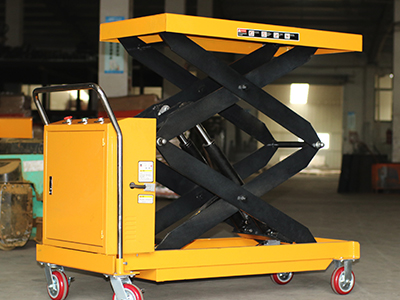
The production technology of the electric fully automatic lifting platform vehicle is very mature now. We have rarely encountered low-level quality problems when using it, but in order to better cooperate with the use of the machine, I will briefly understand its working principle.
When the lifting platform rises, the hydraulic oil is formed by the vane pump to a certain pressure, and enters the lower end of the hydraulic cylinder through the oil filter, explosion-proof electromagnetic directional valve, throttle valve, hydraulic control check valve, and balance valve to make the piston of the hydraulic cylinder Move upward to lift the heavy object. The oil return from the upper end of the cylinder is returned to the oil tank through the flameproof electromagnetic reversing valve. The rated pressure is adjusted through the overflow valve, and the pressure gauge reading value is observed through the pressure gauge.
The piston of the hydraulic cylinder moves downward (that is, the weight drops). The hydraulic oil enters the upper end of the hydraulic cylinder through the explosion-proof electromagnetic reversing valve, and the return oil at the lower end of the hydraulic cylinder returns to the oil tank through the balance valve, hydraulic control check valve, throttle valve, and explosion-proof electromagnetic reversing valve.
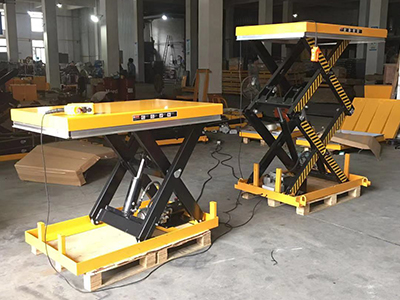
In order to make the heavy objects fall smoothly and the brakes are safe and reliable, a balance valve is installed on the oil return line to balance the circuit and maintain the pressure so that the descending speed is not changed by the weight. The throttle valve adjusts the flow rate and controls the lifting speed.
In order to make the brake safe and reliable, and prevent accidents, a hydraulically controlled one-way valve, that is, hydraulic lock, is added to ensure that the hydraulic pipeline can be safely self-locked when the hydraulic pipeline bursts accidentally. An overload sound-activated alarm is installed to distinguish overload or equipment failure.
After we have a certain understanding of the basic working principle of the fully automatic lifting platform truck, we need to combine this knowledge to perform reasonable operations during the operation process, so that the platform truck can be shipped in the best working condition.
The above is the lifting platform manufacturer to share for you, if you have any questions, please call for consultation.
-
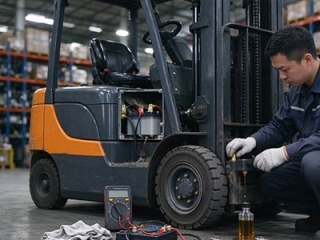 Reliability Of Newnewton Warehouse Forklifts For Heavy-Duty ShiftsWarehouse forklift reliability relies on industrial parts, reinforced frames and factory durability tests. Proper operation and maintenance reduce unexpected downtime.
Do you like ?0
Read more -
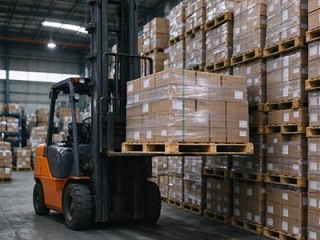 Forklift Configuration Strategy For Dense Warehousing, Warehouse ForkliftDense warehousing needs matched forklifts besides racks. Reach and trilateral stackers fit different layouts, coordinate aisle, load curve and floor for smooth handling.
Do you like ?0
Read more -
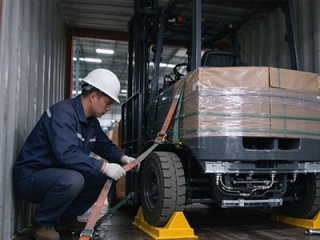 Full Container Supply For Export Forklifts, Forklift ManufacturerBulk forklift orders for overseas can ship by FCL or LCL. Newnewton FCL offers stable freight, safer packing and mixed models for large purchases.
Do you like ?0
Read more -
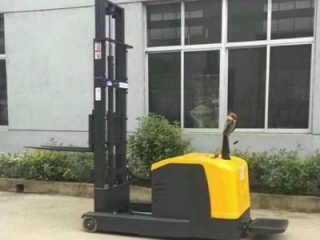 Stand-on Reach Stacker For Narrow Aisle Stacking, Mast Reach StructureStand-on reach stackers feature sliding masts that stay outside racks. They boost storage density in narrow aisles and require flat floors and standard pallets.
Do you like ?0
Read more -
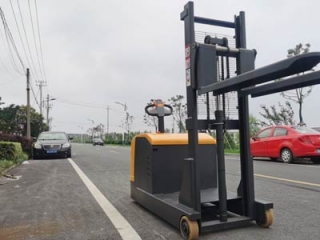 Stand-on Counterbalance Stacker For Various Pallets, Why No Leg RestrictionCounterbalance stackers have no front outriggers, using rear counterweight to avoid pallet interference. They fit various odd pallets yet need wider warehouse aisles.
Do you like ?0
Read more -
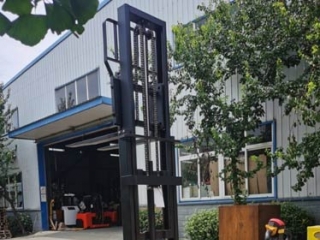 Custom Walk-Behind Counterbalance Stacker | Non-Standard ModificationsStandard walk-behind counterbalance stackers struggle with non-standard pallets and tight aisles. Customize load, lift, forks and structure, share working conditions for safe design.
Do you like ?0
Read more