
User-friendly Walk-behind Full Electric Pallet Truck For New Warehouse Staff
Many warehouse operators ask: Is Walk-behind Electric Pallet Truck Easy To Operate? We can clearly confirm that the Walk-behind Full Electric Pallet Truck boasts extremely simple operation. Even totally inexperienced new workers can get proficient within minutes, cutting your staff training costs greatly. The whole operation process is divided into three simple steps as follows:
Minute 1: Startup Preparation
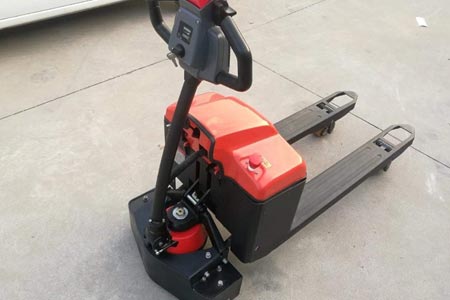
Insert the key to turn on power and check the battery indicator. Align the forks under the pallet, press the lift button and hoist the pallet 5–10cm off the ground. Avoid lifting forks too high, which will increase driving resistance.
Minute 2: Cargo Transport & Driving
Grip the control handle firmly and pull it gently to move forward or backward. Shift to low speed mode when passing racks and narrow aisles; switch to high speed in open factory zones. Always center cargo on forks without offset loads for smooth travel.
Minute 3: Unloading & Shutdown
Drive to the unloading position, hold the lowering button to set down the pallet. Pull out the forks after they fully touch the ground. Release the handle and the truck will brake automatically, then turn off the power key to finish all operations.
The whole workflow only includes three steps. New employees can handle inbound and outbound cargo transfer independently on the same day after one brief demonstration by senior workers.
The ultra-easy operation comes from humanized design with four core safety functions to lower operating difficulty:
Red emergency stop button on top: Cut off total power instantly in case of collision or out-of-control situations
Stepless speed adjustment: Switch freely between fast and slow speed; low speed prevents rack collision in narrow aisles
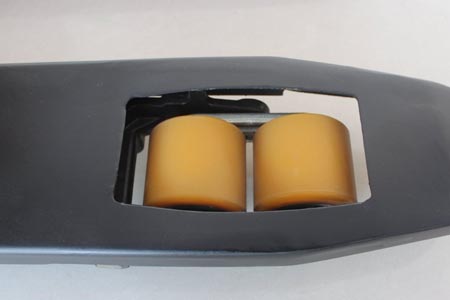
Silent PU load wheels: Smooth rolling without scratching epoxy floors and flexible steering without jamming
Overload protection system: Automatically limit lifting and driving under overloaded weight to avoid improper operation
In short, the Walk-behind Full Electric Pallet Truck features easy operation and fast learning, operable within just 3 minutes. This guide will bring great convenience to your warehouse daily handling work.
-
 Reliability Of Newnewton Warehouse Forklifts For Heavy-Duty ShiftsWarehouse forklift reliability relies on industrial parts, reinforced frames and factory durability tests. Proper operation and maintenance reduce unexpected downtime.
Do you like ?0
Read more -
 Forklift Configuration Strategy For Dense Warehousing, Warehouse ForkliftDense warehousing needs matched forklifts besides racks. Reach and trilateral stackers fit different layouts, coordinate aisle, load curve and floor for smooth handling.
Do you like ?0
Read more -
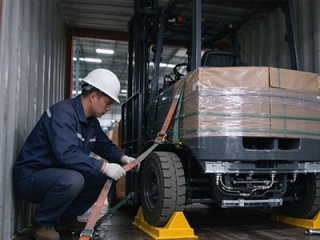 Full Container Supply For Export Forklifts, Forklift ManufacturerBulk forklift orders for overseas can ship by FCL or LCL. Newnewton FCL offers stable freight, safer packing and mixed models for large purchases.
Do you like ?0
Read more -
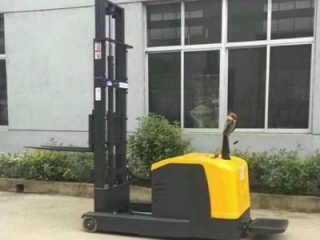 Stand-on Reach Stacker For Narrow Aisle Stacking, Mast Reach StructureStand-on reach stackers feature sliding masts that stay outside racks. They boost storage density in narrow aisles and require flat floors and standard pallets.
Do you like ?0
Read more -
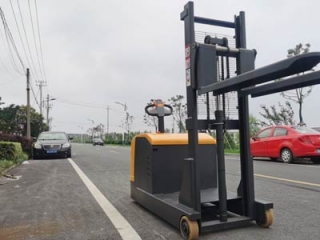 Stand-on Counterbalance Stacker For Various Pallets, Why No Leg RestrictionCounterbalance stackers have no front outriggers, using rear counterweight to avoid pallet interference. They fit various odd pallets yet need wider warehouse aisles.
Do you like ?0
Read more -
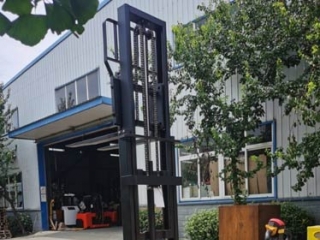 Custom Walk-Behind Counterbalance Stacker | Non-Standard ModificationsStandard walk-behind counterbalance stackers struggle with non-standard pallets and tight aisles. Customize load, lift, forks and structure, share working conditions for safe design.
Do you like ?0
Read more








