Full Electric Walk-behind Stacker: How to Fix Slow Lifting Issues
Many warehouse operators encounter slow and sluggish vertical movement during daily handling. If you are searching for how to fix slow lifting on walk-behind stacker, this professional troubleshooting guide covers all common failures, causes and practical solutions to help you resolve lifting delays quickly.
1. Hydraulic System Failures (80% of All Faults)
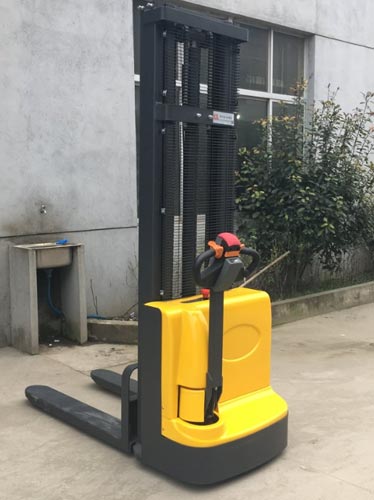
The hydraulic system is the primary inspection item for a defective full electric walk-behind stacker. Abnormal hydraulic oil, clogged filters and damaged accessories are the main causes of slow lifting.
Abnormal Hydraulic Oil
Symptoms: Overall slow lifting speed, obvious stuttering during low-temperature operation. Causes: Insufficient oil level, deteriorated fluid or mismatched oil viscosity blocks normal oil circulation. Solutions: Refill hydraulic oil to standard level; replace deteriorated, black or emulsified hydraulic fluid and clean the oil tank. Apply low-temperature resistant hydraulic oil for cold storage working environments.
Blocked Oil Filter
Symptoms: Unstable lifting speed, obvious speed drop under loaded conditions. Causes: Dust and oil sludge block suction and return filters, resulting in insufficient oil supply. Solutions: Clean clogged filters regularly. Replace damaged or aging filter elements. It is recommended to perform maintenance every 1 to 2 months.
Faulty Hydraulic Pump & Valve Body
Symptoms: Normal lifting with no load, extremely slow lifting and abnormal noise under heavy load. Causes: Internal pump wear, stuck spool and insufficient pressure relief valve setting. Solutions: Adjust system pressure within the rated range; clean multi-way valves; replace the hydraulic pump or valve assembly if internal components are severely worn.
Oil Pipe & Seal Leakage
Symptoms: Slow lifting with visible oil stains on cylinders or hoses. Causes: Aging hoses and worn oil seals lead to continuous pressure leakage. Solutions: Tighten pipe joints and replace cracked hoses; disassemble the cylinder and install new sealing parts to stop leakage.
2. Electrical & Power System Problems
Unstable power output will indirectly weaken lifting performance and cause slow responses for the walk-behind stacker.
Underpowered & Aging Battery
Symptoms: Normal speed when fully charged, gradually slower lifting and rapid power drop after long operation. Causes: Cell aging, increased internal resistance and unstable voltage output. Solutions: Charge the battery before operation; replace aged battery packs with severely decayed capacity. Avoid over-discharging to extend battery lifespan.
Damaged Lifting Motor
Symptoms: Sluggish lifting movement and dull motor operating noise. Causes: Worn carbon brushes, aging coils and lack of bearing lubrication. Solutions: Replace worn carbon brushes, add grease to bearings; arrange professional maintenance for burnt motor coils.
Poor Circuit Connection
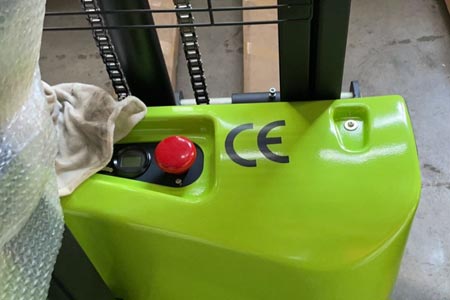
Symptoms: Unstable lifting speed and delayed start-stop reaction. Causes: Loose terminals, oxidized contacts and humid wiring affect signal transmission. Solutions: Polish and fasten all wiring terminals; clean dust inside the control box and handle; enhance waterproof and moistureproof protection.
3. Mechanical Stuck Issues
Sticky Mast Guide Rail
Symptoms: Friction noise during lifting, asynchronous mast movement and excessive lifting resistance. Causes: Dust accumulation, worn rollers and insufficient lubrication. Solutions: Clean foreign debris, adjust roller clearance and apply specialized lubricating grease.
Unbalanced Chain Tension
Symptoms: Shaking during lifting and inconsistent lifting speed on both sides. Causes: Uneven chain tension, rust and lack of lubrication. Solutions: Adjust dual-side chain tension symmetrically; remove rust and refill lubricant; replace severely rusted chains directly.
4. Daily Preventive Maintenance Schedule
Daily: Check oil level, battery power and oil leakage; test empty-load lifting performance.
Weekly: Clean mast and filter dust; lubricate guide rails, chains and rotating shafts.
Monthly: Fasten wiring terminals, inspect oil seals and test overall hydraulic pressure.
Quarterly: Replace hydraulic oil and filters; conduct deep inspection for motors and batteries.
In conclusion, mastering the above troubleshooting and maintenance methods can effectively solve slow lifting failures of electric walk-behind stackers, reduce downtime and greatly improve your warehouse handling efficiency.
-
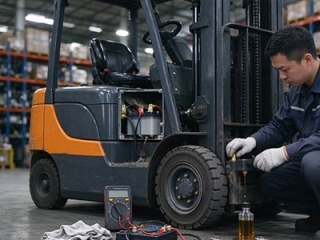 Reliability Of Newnewton Warehouse Forklifts For Heavy-Duty ShiftsWarehouse forklift reliability relies on industrial parts, reinforced frames and factory durability tests. Proper operation and maintenance reduce unexpected downtime.
Do you like ?0
Read more -
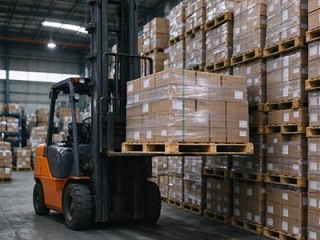 Forklift Configuration Strategy For Dense Warehousing, Warehouse ForkliftDense warehousing needs matched forklifts besides racks. Reach and trilateral stackers fit different layouts, coordinate aisle, load curve and floor for smooth handling.
Do you like ?0
Read more -
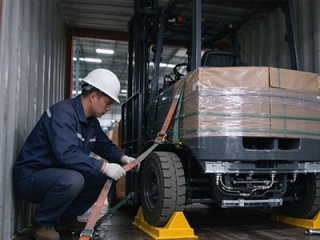 Full Container Supply For Export Forklifts, Forklift ManufacturerBulk forklift orders for overseas can ship by FCL or LCL. Newnewton FCL offers stable freight, safer packing and mixed models for large purchases.
Do you like ?0
Read more -
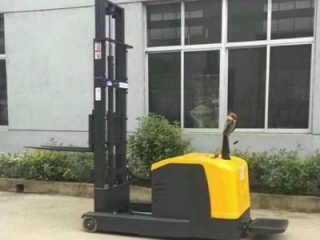 Stand-on Reach Stacker For Narrow Aisle Stacking, Mast Reach StructureStand-on reach stackers feature sliding masts that stay outside racks. They boost storage density in narrow aisles and require flat floors and standard pallets.
Do you like ?0
Read more -
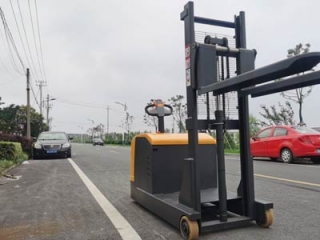 Stand-on Counterbalance Stacker For Various Pallets, Why No Leg RestrictionCounterbalance stackers have no front outriggers, using rear counterweight to avoid pallet interference. They fit various odd pallets yet need wider warehouse aisles.
Do you like ?0
Read more -
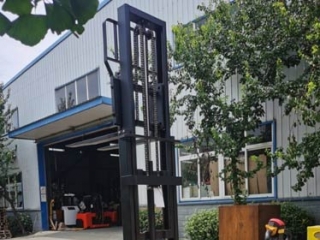 Custom Walk-Behind Counterbalance Stacker | Non-Standard ModificationsStandard walk-behind counterbalance stackers struggle with non-standard pallets and tight aisles. Customize load, lift, forks and structure, share working conditions for safe design.
Do you like ?0
Read more