
How to Operate & Charge Electric Walk-Behind Stacker | Prolong Service Life
If you plan to buy a highly efficient and cost-effective full electric walk-behind stacker, it is essential to learn the correct operation, understand key precautions, and perform daily maintenance. Following these three steps can extend the service life of your stacker, reduce failures, and keep it working well for an extra 3 years.
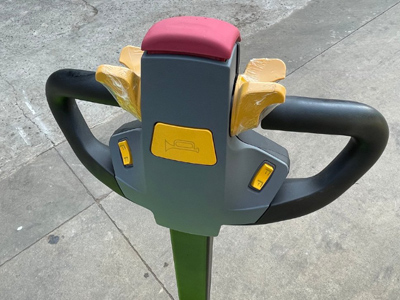
First, you need to know how to operate electric walk-behind stacker properly.
Before starting the machine, carry out a full inspection including the battery, forks, surrounding area and wheels, and begin operation only in a safe environment.
During operation, keep smooth movement when moving forward, backward, lifting or lowering, and make sure the load center aligns with the fork center. Handle goods gently during stacking and loading to avoid collision.
After work, lower the forks to the lowest position, turn off the power, and park the stacker in the designated area.
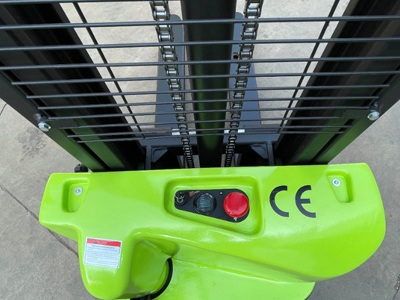
Another important point is the electric stacker charging tips, which is often overlooked but critical.
Avoid the common misunderstanding: charging a stacker is not as simple as charging a mobile phone.
Do not overcharge the battery, and do not wait until the battery is completely dead before recharging, as both practices will damage battery life.
Also pay attention to the charging environment.
Always charge in a dry and ventilated place, away from moisture, water, flammable and explosive materials.
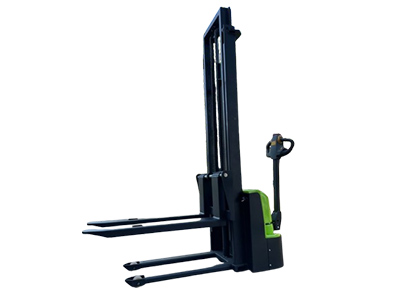
Make sure the plug is firmly connected to avoid overheating from loose contact.
Good charging habits will extend battery life and simplify daily maintenance.
By using the full electric walk-behind stacker with correct operation, proper charging and regular maintenance, you can greatly extend its service life and prevent unnecessary breakdowns.
-
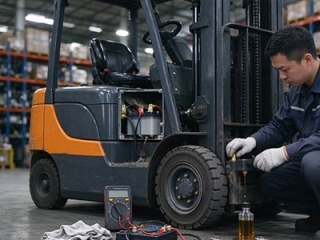 Reliability Of Newnewton Warehouse Forklifts For Heavy-Duty ShiftsWarehouse forklift reliability relies on industrial parts, reinforced frames and factory durability tests. Proper operation and maintenance reduce unexpected downtime.
Do you like ?0
Read more -
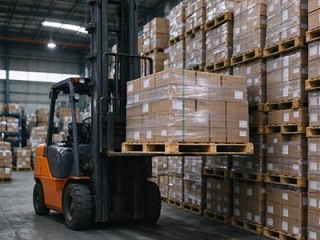 Forklift Configuration Strategy For Dense Warehousing, Warehouse ForkliftDense warehousing needs matched forklifts besides racks. Reach and trilateral stackers fit different layouts, coordinate aisle, load curve and floor for smooth handling.
Do you like ?0
Read more -
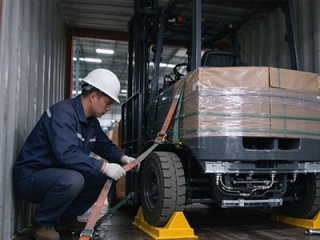 Full Container Supply For Export Forklifts, Forklift ManufacturerBulk forklift orders for overseas can ship by FCL or LCL. Newnewton FCL offers stable freight, safer packing and mixed models for large purchases.
Do you like ?0
Read more -
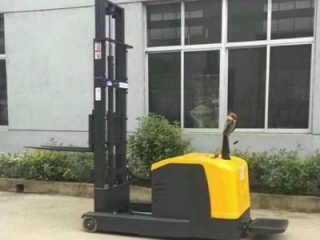 Stand-on Reach Stacker For Narrow Aisle Stacking, Mast Reach StructureStand-on reach stackers feature sliding masts that stay outside racks. They boost storage density in narrow aisles and require flat floors and standard pallets.
Do you like ?0
Read more -
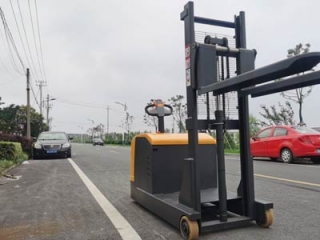 Stand-on Counterbalance Stacker For Various Pallets, Why No Leg RestrictionCounterbalance stackers have no front outriggers, using rear counterweight to avoid pallet interference. They fit various odd pallets yet need wider warehouse aisles.
Do you like ?0
Read more -
 Custom Walk-Behind Counterbalance Stacker | Non-Standard ModificationsStandard walk-behind counterbalance stackers struggle with non-standard pallets and tight aisles. Customize load, lift, forks and structure, share working conditions for safe design.
Do you like ?0
Read more








