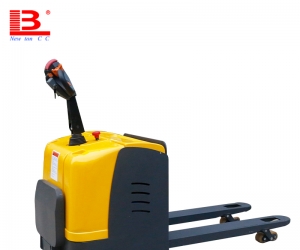
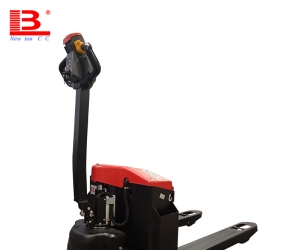
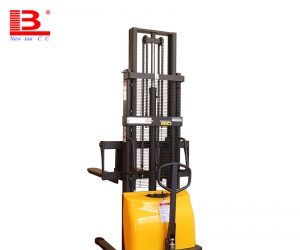
The lifting chain is an important part of the walking forklift, which belongs to the working device of the walking forklift, affects the normal lifting and lowering of goods, and determines the working efficiency of the walking forklift. It can adjust the length of the chain according to the lifting height of the goods to drive the goods to rise and fall. If the lifting chain of the walking forklift has problems, many drivers will choose to dismantle, repair or replace it by themselves. However, it is easy to dismantle but difficult to install, so how to correctly assemble the lifting chain of the walking forklift? Now, the forklift manufacturer will tell you what to pay attention to when assembling the lifting chain of walking forklift.
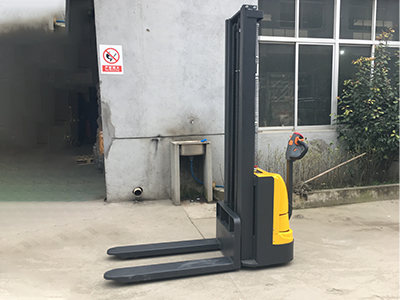
Most walking forklift are double chain type, including plate type lifting chains and sleeve roller chains. If the lifting chain is too long, the lifting height will not meet the requirements, and if it is too short, the fork frame will run out of the channel steel of the inner portal frame, causing serious accidents. If one of the two chains is loose and the other is tight, it will lead to overload or eccentric load of the chain, resulting in unstable and inflexible movement of the mast or inner mast. Therefore, the forklift manufacturer told us that the two chains must be adjusted as required.
How to assemble the lifting chain of the walking forklift? First of all, we must park the forklift in a flat place, keep the gantry vertical, lower the fork to the lowest, and lower the piston of the lifting cylinder to the bottom dead center. Then install the chain, connect one end of the two chains to the fork frame and lock it. Then, make the chain bypass the pulley, and connect the other end with the flange of the lifting cylinder or the cross beam of the outer gantry, and adjust the chain length with the hinge bolt. Use your fingers to press the chain at a distance of 1000mm from the ground with a force of 49N to make the moving distance of the chain less than 20mm, and then adjust another chain in the same way. After the two chains are adjusted, check them. The forklift manufacturer reminds everyone to lift the fork to see if the chain tightness is appropriate and the length is consistent.
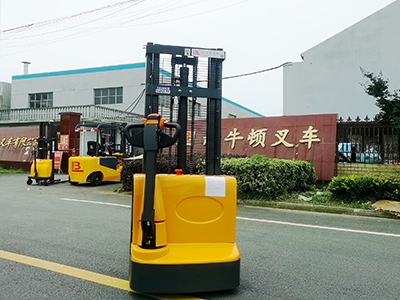
The above is the method and precautions for assembling the chain for the walking forklift. Attention must be paid to the details, otherwise it will not only affect the work efficiency, but also easily cause accidents. If you purchase a walking forklift from the forklift manufacturer, there will be one-to-one after-sales service to help you.
-
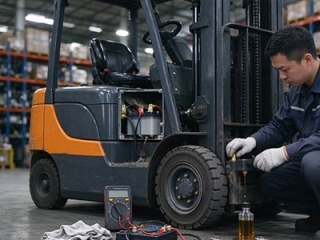 Reliability Of Newnewton Warehouse Forklifts For Heavy-Duty ShiftsWarehouse forklift reliability relies on industrial parts, reinforced frames and factory durability tests. Proper operation and maintenance reduce unexpected downtime.
Do you like ?0
Read more -
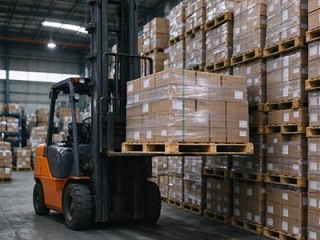 Forklift Configuration Strategy For Dense Warehousing, Warehouse ForkliftDense warehousing needs matched forklifts besides racks. Reach and trilateral stackers fit different layouts, coordinate aisle, load curve and floor for smooth handling.
Do you like ?0
Read more -
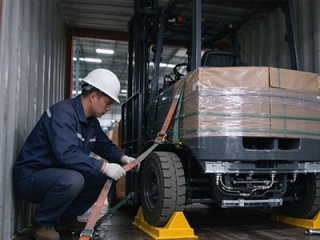 Full Container Supply For Export Forklifts, Forklift ManufacturerBulk forklift orders for overseas can ship by FCL or LCL. Newnewton FCL offers stable freight, safer packing and mixed models for large purchases.
Do you like ?0
Read more -
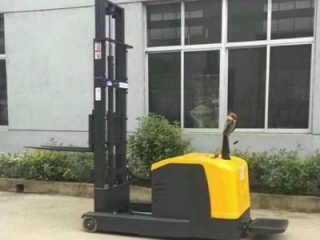 Stand-on Reach Stacker For Narrow Aisle Stacking, Mast Reach StructureStand-on reach stackers feature sliding masts that stay outside racks. They boost storage density in narrow aisles and require flat floors and standard pallets.
Do you like ?0
Read more -
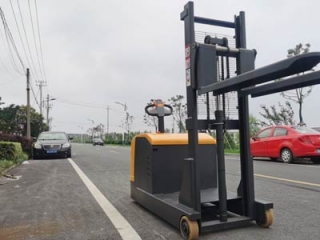 Stand-on Counterbalance Stacker For Various Pallets, Why No Leg RestrictionCounterbalance stackers have no front outriggers, using rear counterweight to avoid pallet interference. They fit various odd pallets yet need wider warehouse aisles.
Do you like ?0
Read more -
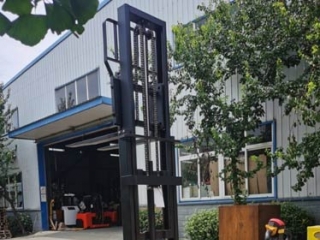 Custom Walk-Behind Counterbalance Stacker | Non-Standard ModificationsStandard walk-behind counterbalance stackers struggle with non-standard pallets and tight aisles. Customize load, lift, forks and structure, share working conditions for safe design.
Do you like ?0
Read more