What are the power system failures encountered in the use of electric forklifts?
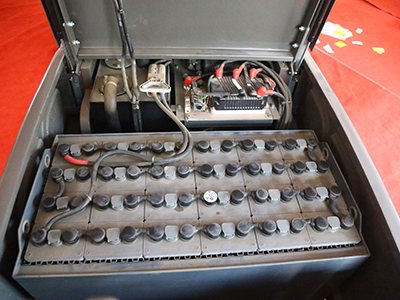
Have you encountered any electrical system failures during the use of electric forklifts? It is inevitable that many mechanical equipment will malfunction after long-term use, and electric forklifts are no exception. What are the specific power failures? Common power system failures are mainly manifested as non-charging, charging voltage is too low and charging voltage is too high. Let's take a look at these different types of failures and the causes of failures.
1. Not charging
Specific performance: When the electric forklift, electric stacker, electric pallet truck, etc. are normally charged, the charger light does not turn red, indicating that the battery is not charged.
Causes of failure: charger failure, circuit failure, etc.
2. The charging voltage is too low
Specific performance: electric forklift, electric stacker, electric pallet truck charging indicator flashes or the ammeter swings near the zero position. Use the DC voltage file of a multimeter to measure the voltage value at both ends of the battery. If the standard value, the charging voltage is too low.
The cause of the failure: the charger's working voltage is out of adjustment or failure, and the battery is faulty (overuse or long-term power feeding are the two major causes of battery failure).
3. The charging voltage is too high
Phenomenon: The light bulbs are easily burnt during the charging process of electric forklifts, electric stackers, and electric pallet trucks, and the battery electrolyte is consumed too quickly. Use the DC voltage file of a multimeter to measure the voltage value at both ends of the battery. If it is higher than the standard value, the charging voltage is too high.
Reason: The working voltage of the charger is out of regulation or malfunction.
The power system failures that we commonly encounter when using electric forklifts are roughly the above points. If you encounter similar problems, you can troubleshoot the cause based on the above failure performance. If you cannot solve the problem smoothly, you can contact the relevant after-sales service unit of the electric forklift manufacturer, or contact the nearest maintenance point for troubleshooting and maintenance. Do not use unfounded operations to complicate the problem.
-
 Reliability Of Newnewton Warehouse Forklifts For Heavy-Duty ShiftsWarehouse forklift reliability relies on industrial parts, reinforced frames and factory durability tests. Proper operation and maintenance reduce unexpected downtime.
Do you like ?0
Read more -
 Forklift Configuration Strategy For Dense Warehousing, Warehouse ForkliftDense warehousing needs matched forklifts besides racks. Reach and trilateral stackers fit different layouts, coordinate aisle, load curve and floor for smooth handling.
Do you like ?0
Read more -
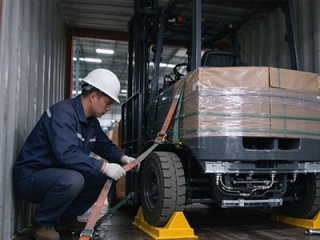 Full Container Supply For Export Forklifts, Forklift ManufacturerBulk forklift orders for overseas can ship by FCL or LCL. Newnewton FCL offers stable freight, safer packing and mixed models for large purchases.
Do you like ?0
Read more -
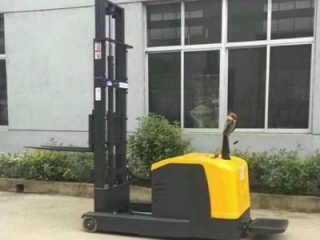 Stand-on Reach Stacker For Narrow Aisle Stacking, Mast Reach StructureStand-on reach stackers feature sliding masts that stay outside racks. They boost storage density in narrow aisles and require flat floors and standard pallets.
Do you like ?0
Read more -
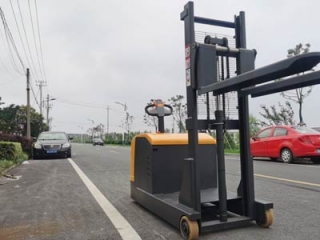 Stand-on Counterbalance Stacker For Various Pallets, Why No Leg RestrictionCounterbalance stackers have no front outriggers, using rear counterweight to avoid pallet interference. They fit various odd pallets yet need wider warehouse aisles.
Do you like ?0
Read more -
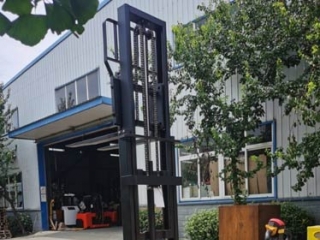 Custom Walk-Behind Counterbalance Stacker | Non-Standard ModificationsStandard walk-behind counterbalance stackers struggle with non-standard pallets and tight aisles. Customize load, lift, forks and structure, share working conditions for safe design.
Do you like ?0
Read more