Introduction to Industrial Handling Vehicles & Counterbalance Stackers
Friends engaged in warehousing, workshops, or logistics all know that industrial handling vehicles are great helpers for improving efficiency. They replace heavy manual labor, saving both time and effort.Among them, the counterbalance stacker is widely used due to its strong adaptability and simple operation.Today, we will talk about industrial handling vehicles, focusing on counterbalance stacker selection, especially the commonly used walk-behind counterbalance stacker.
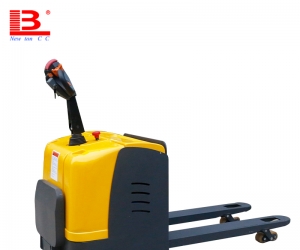
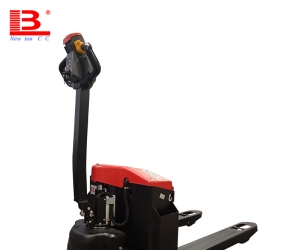
Common industrial handling vehicles include forklifts, stackers, and pallet trucks. They are mainly used for loading, transporting, and stacking goods.By operation mode, they can be divided into walk-behind, stand-on, and seated types.By power, electric and internal combustion models are both common.
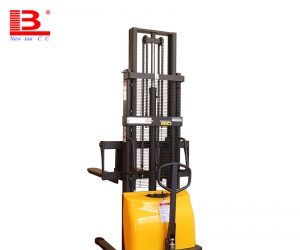
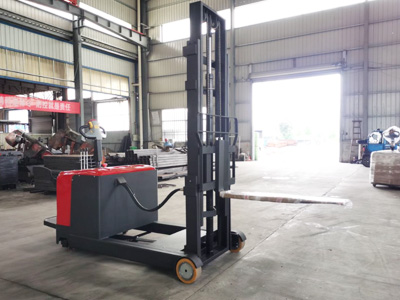
The highlight of the counterbalance stacker is its rear counterweight.Unlike other stackers, it does not need front outriggers for support and can lift goods directly. It can handle almost all complex sites, making it a versatile tool in industrial handling.
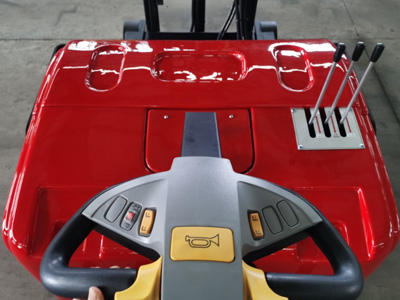
Many friends ask me about the tips for counterbalance stacker selection.Just focus on three key points, and even beginners can make the right choice.
First, consider your working scenario.If you have a small site, narrow aisles, or often unload goods without a dock, choose the walk-behind counterbalance stacker.It has a compact body, flexible turning, and can be easily operated by one person.
Second, match the parameters.Choose the load capacity according to your daily cargo weight, and select the proper lifting height based on your racks.Also check battery life and motor performance to ensure all-day continuous operation.
Third, balance practicality and cost-effectiveness, which is very important for SMEs.
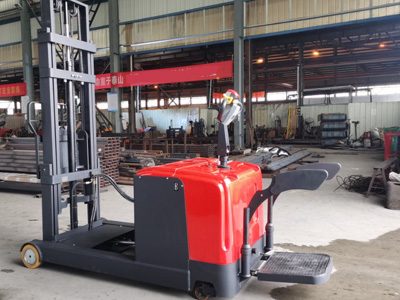
The walk-behind counterbalance stacker is an ideal choice.It is simple to operate without professional training; new users can master it quickly.It features low energy consumption, low failure rate, and easy maintenance.
A reminder: when purchasing, always choose formal manufacturers, verify product quality and after-sales service.Do not buy inferior products just for a low price, as they will cause more trouble in later maintenance.
In this way, you can save labor, reduce costs, and improve work safety.
-
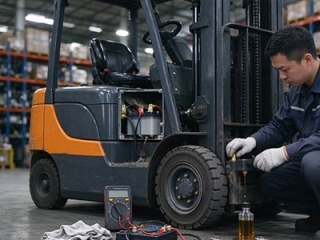 Reliability Of Newnewton Warehouse Forklifts For Heavy-Duty ShiftsWarehouse forklift reliability relies on industrial parts, reinforced frames and factory durability tests. Proper operation and maintenance reduce unexpected downtime.
Do you like ?0
Read more -
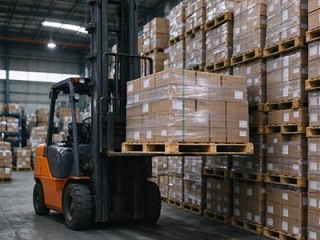 Forklift Configuration Strategy For Dense Warehousing, Warehouse ForkliftDense warehousing needs matched forklifts besides racks. Reach and trilateral stackers fit different layouts, coordinate aisle, load curve and floor for smooth handling.
Do you like ?0
Read more -
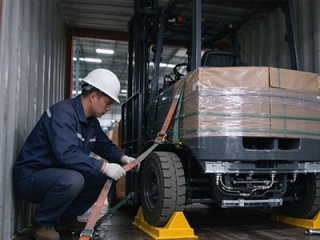 Full Container Supply For Export Forklifts, Forklift ManufacturerBulk forklift orders for overseas can ship by FCL or LCL. Newnewton FCL offers stable freight, safer packing and mixed models for large purchases.
Do you like ?0
Read more -
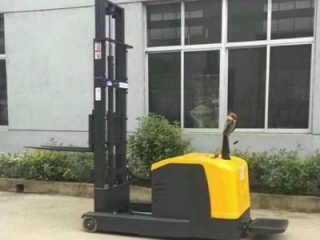 Stand-on Reach Stacker For Narrow Aisle Stacking, Mast Reach StructureStand-on reach stackers feature sliding masts that stay outside racks. They boost storage density in narrow aisles and require flat floors and standard pallets.
Do you like ?0
Read more -
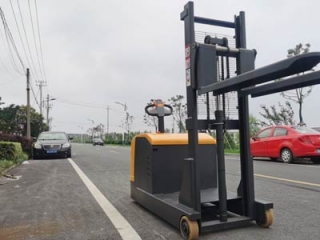 Stand-on Counterbalance Stacker For Various Pallets, Why No Leg RestrictionCounterbalance stackers have no front outriggers, using rear counterweight to avoid pallet interference. They fit various odd pallets yet need wider warehouse aisles.
Do you like ?0
Read more -
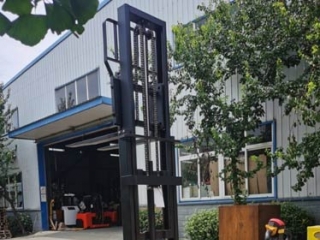 Custom Walk-Behind Counterbalance Stacker | Non-Standard ModificationsStandard walk-behind counterbalance stackers struggle with non-standard pallets and tight aisles. Customize load, lift, forks and structure, share working conditions for safe design.
Do you like ?0
Read more