
Working process of hydraulic drive system of electric forklift
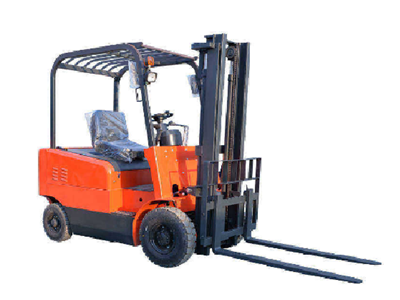
The hydraulic system of an electric forklift truck is an important part of the equipment, and its steering system and working devices are driven by the hydraulic system. Therefore, the quality of the hydraulic system of the equipment will directly affect its performance. In fact, the reason for the failure of the hydraulic system is not as complicated as we thought, but most of the problems are caused by the execution structure. However, it is not easy to find out the specific fault location and the cause of the fault, because there are many reasons for the fault, and we need to analyze the specific problems in detail.
And one more thing I have to mention is that the hydraulic transmission failure of electric forklifts has great concealment, which also brings a lot of trouble to maintenance personnel. In the industry, there are many ways to check for failures, and all we care about is the reliability of the diagnosis results. Common fault diagnosis methods for forklift hydraulic systems are as follows.
The failure rate of the hydraulic system of an electric forklift can generally be divided into three stages: the initial stage, the middle stage of operation and the later stage of operation.

In the initial stage of an electric lift truck, when a new equipment or an equipment system after an overhaul has just begun to operate normally, the failure rate is relatively high. This is mainly because the design of the equipment may not be perfect, and the selection of components is Something is lacking or the quality is not good enough. If components and pipelines are not cleaned thoroughly or assembled improperly, there will be failure phenomena such as vibration, leakage, unstable system pressure, unstable movement of actuators and excessive temperature rise. Don't worry if you encounter this situation, as long as you take a proper solution, the failure rate will decrease.
The failure rate of electric forklifts in the middle stage of operation is very low, but even if it fails, most of the reasons are caused by contamination or deterioration of the hydraulic oil. Because the dirt in the hydraulic oil will block the throttle orifice or the throttle gap of the component, this will change the working performance of the system and cause the component to malfunction or malfunction.
The electric lift truck is approaching the overhaul period in the later stage of operation. The hydraulic components are very severely worn, and the seals are worn or aging, causing the failure rate to gradually increase, which is mostly manifested by problems such as increased external leakage, decreased system efficiency, and slow motion.
-
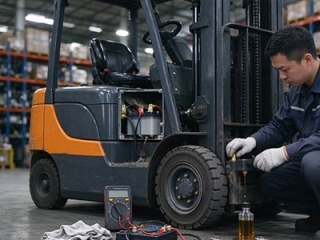 Reliability Of Newnewton Warehouse Forklifts For Heavy-Duty ShiftsWarehouse forklift reliability relies on industrial parts, reinforced frames and factory durability tests. Proper operation and maintenance reduce unexpected downtime.
Do you like ?0
Read more -
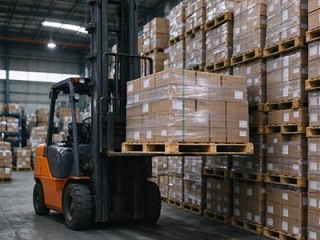 Forklift Configuration Strategy For Dense Warehousing, Warehouse ForkliftDense warehousing needs matched forklifts besides racks. Reach and trilateral stackers fit different layouts, coordinate aisle, load curve and floor for smooth handling.
Do you like ?0
Read more -
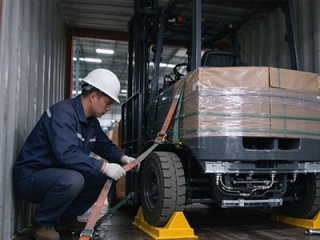 Full Container Supply For Export Forklifts, Forklift ManufacturerBulk forklift orders for overseas can ship by FCL or LCL. Newnewton FCL offers stable freight, safer packing and mixed models for large purchases.
Do you like ?0
Read more -
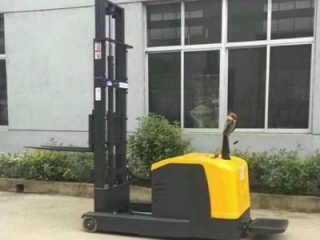 Stand-on Reach Stacker For Narrow Aisle Stacking, Mast Reach StructureStand-on reach stackers feature sliding masts that stay outside racks. They boost storage density in narrow aisles and require flat floors and standard pallets.
Do you like ?0
Read more -
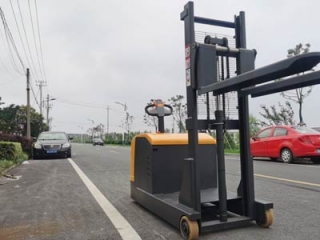 Stand-on Counterbalance Stacker For Various Pallets, Why No Leg RestrictionCounterbalance stackers have no front outriggers, using rear counterweight to avoid pallet interference. They fit various odd pallets yet need wider warehouse aisles.
Do you like ?0
Read more -
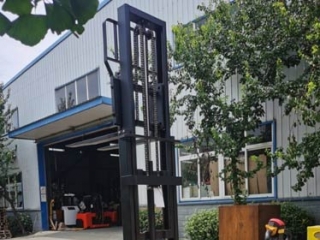 Custom Walk-Behind Counterbalance Stacker | Non-Standard ModificationsStandard walk-behind counterbalance stackers struggle with non-standard pallets and tight aisles. Customize load, lift, forks and structure, share working conditions for safe design.
Do you like ?0
Read more








