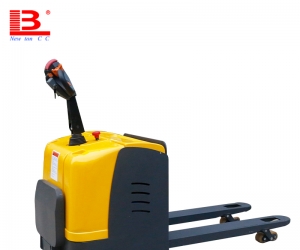
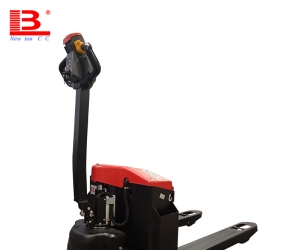
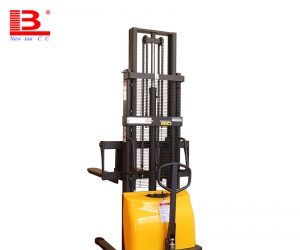
Manual forklifts rely on hydraulic principles to achieve lifting functions, which are convenient to operate and widely used. However, in actual use, many users will encounter the problem that the forklift cannot be lifted, which not only affects work efficiency, but may also bring safety hazards. The following is a detailed introduction to how to deal with such faults.
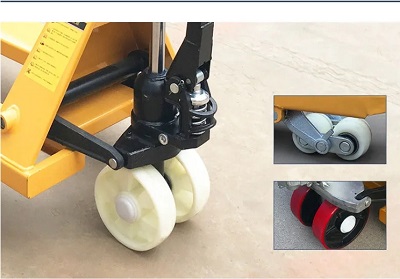
1. Add hydraulic oil in time
Hydraulic fluid is the key auxiliary medium for manual forklifts to achieve lifting functions, which transmits pressure in the hydraulic system and drives the lifting components of the forklift to operate. If the hydraulic oil stock inside the forklift is insufficient, the hydraulic system cannot establish sufficient pressure, which will cause the forklift to not be lifted. When encountering this situation, first carefully check the hydraulic fluid level of the forklift. It can be checked through the oil level observation window or dipstick provided by the forklift, and if the liquid level is lower than the specified standard, the hydraulic oil that meets the model requirements needs to be added in time. When adding, pay attention to avoid mixing impurities to avoid polluting the hydraulic system and affecting the normal use of the forklift.
2. Eliminate excess air inside
The lifting part of the manual forklift is sealed to ensure the normal operation of the hydraulic system. Once too much air enters the sealed environment, the compressibility of the air will lead to the instability of the hydraulic system pressure, which will greatly reduce the lifting ability of the forklift and prevent it from rising. At this time, the maintenance personnel need to empty the air inside the forklift. The specific method is to first raise the fork of the forklift to the highest position, then slowly descend, and repeat the operation several times in this process to use the flow of hydraulic oil to bring out the air. After the air is completely expelled, the lifting part is sealed again, and the forklift can usually return to normal lifting function.
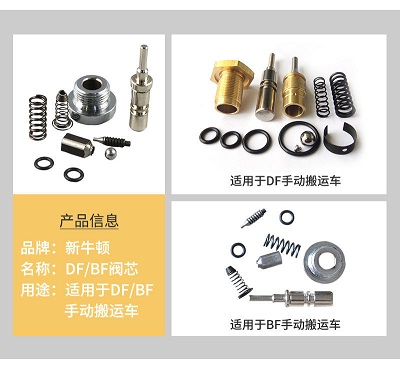
3. Replace the damaged skin plug
The skin plug is an important component of the sealing part of the manual forklift, which can effectively prevent air from entering the lifting part. As the use time increases, the skin plug will become damaged due to wear, aging, etc. After the skin plug is damaged, the sealing effect fails, and the excess air will enter the lifting part, destroying the sealing environment of the hydraulic system and causing the lifting function of the forklift to fail. Therefore, when the forklift cannot be lifted, the maintenance personnel should carefully check whether the skin plug is intact. If the skin plug is found to be cracked, deformed or seriously worn, a new skin plug should be replaced in time to restore the sealing of the lifting part.
4. Replace the worn rotating spindle
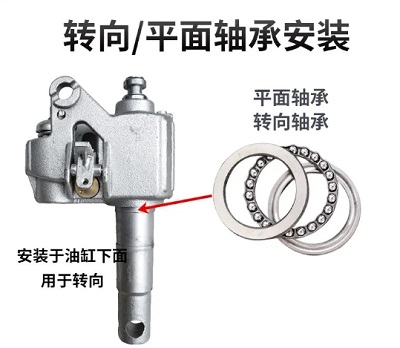
Some users use manual forklifts that exceed the standard load-bearing capacity. This can put the forklift's rotating spindle under excessive stress, leading to increased wear and tear. After the rotating spindle is seriously worn, even if the new skin plug is replaced, the sealing part will have a large gap due to the irregular wear of the spindle, so that too much air enters the lifting part, causing the forklift to not be able to rise. For this case, the solution is to replace the worn rotating spindle. When replacing the spindle, choose the spindle that matches the forklift model and ensure that it is installed in place to ensure the tightness of the sealing part and restore the lifting function of the forklift.
To sum up, when a manual forklift fails to lift, it can be dealt with according to the specific situation, such as adding hydraulic oil, removing internal air, replacing the plug, or turning the spindle.
In terms of the supply of forklifts and related equipment, New Niudun Forklift provides a wide variety of products, covering handling vehicles (including manual pallet trucks, electric pallet trucks, scissor lifting trucks), stackers (manual hydraulic stackers, hand crank stackers, semi-electric stackers, all-electric stackers, light stackers), electric lifting platforms, pedal lifting platform trucks, aerial work platforms, electric lifting platform vehicles, oil drum handling equipment (mechanical oil drum handlers, oil drum cranes, special oil drum clamps for forklifts, hydraulic drum truck), crane, forklift roof, electric tractor and electric flatbed transporter, etc. No matter what kind of operation needs you have, New Niudun forklift can provide you with the right equipment choice.
-
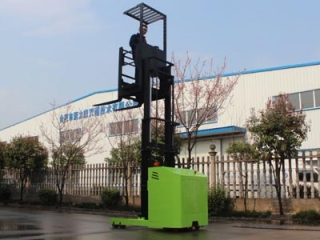 Maintenance Guide for Durable Logistics Order PickerHow to maintain order pickers? Maintain body, hydraulic, electric and battery parts properly to minimize downtime and cut operating costs.
Do you like ?0
Read more -
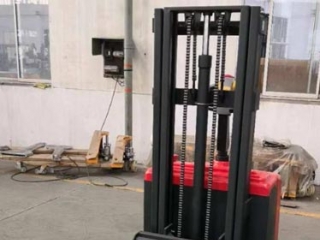 Low Noise Stand-on Full Electric Stacker for E-commerce WarehouseElectric stacker ideal for round-the-clock high-frequency e-commerce warehouse work. Low noise suits night shifts, compact body navigates narrow aisles, long battery life and solid safety support efficient shipment.
Do you like ?0
Read more -
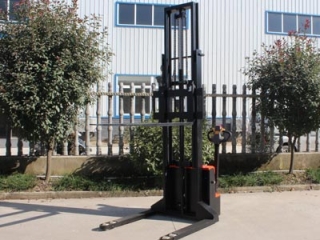 Easy Operation Walk-behind Straddle Full Electric StackerWorry about hard-to-operate straddle stackers? User-friendly walk-behind design with simple controls. Cushioned start-stop prevents collision, long battery life ensures safe warehouse handling.
Do you like ?0
Read more -
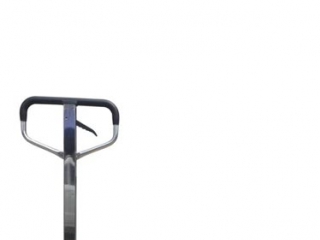 Manual Pallet Jack Cost 2026 | Manual Hydraulic Pallet Truck PriceTransparent 2026 manual pallet truck pricing: Economy $55.56-$97.22, brand $97.22-$166.67, customized from $166.67. Factory direct sales. Pick properly by material, load capacity and after-sales service.
Do you like ?0
Read more -
 Ideal AGV Forklift Types for Small Factories | Automatic Guided VehicleWant smart warehouse upgrade for small factories? Compact AGV forklift easy to deploy without major renovation. Unmanned transport cuts labor cost, multiple safety protection boosts efficiency.
Do you like ?0
Read more -
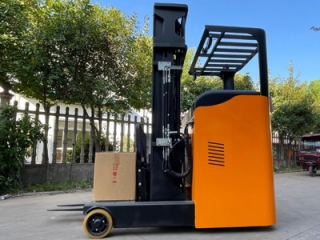 How to Do Maintenance and Repair for Reach StackerFrequent breakdowns of reach stackers disrupt work? Daily maintenance on rails, hydraulics, circuits and batteries plus standard operation cut failures and extend service life.
Do you like ?0
Read more