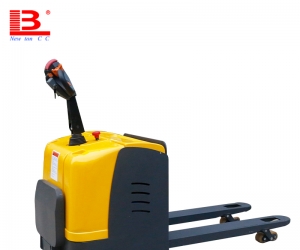
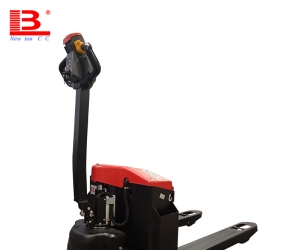
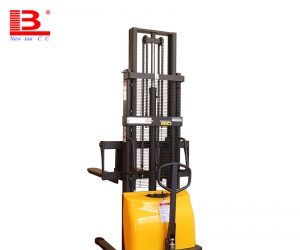
Lead Acid VS Lithium Electric Tractor Charging Time For Workshop Operation
Electric tractors are widely used for material transportation in workshops. With high turnover frequency and long working hours, charging duration directly affects production line scheduling and material flow efficiency. Proper charging time arrangement can cut idle waiting time of equipment. How long is the charging time of full electric tractor?
For conventional lead-acid traction batteries under standard 0.2C charging rate, it takes 8 to 10 hours to charge from 20% to 100%. After charging, 6 to 8 hours of static cooling is required before heavy-load operation. This is an inherent feature of lead-acid batteries, and the cooling period cannot be skipped.
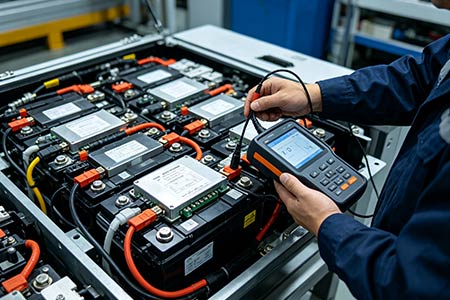
This kind of battery does not support frequent opportunity charging. Multiple intermittent top-ups easily cause plate sulfation and shorten the battery cycle life. For workshop charging layout, the charging zone for lead-acid tractors must keep well ventilated to avoid gas accumulation generated during charging.
Lithium traction batteries are equipped with BMS and do not require mandatory cooling. Under the same working condition, it takes 1 to 1.5 hours to charge from 20% to 80% by standard charger, and about 2 to 2.5 hours for full charge up to 100%.
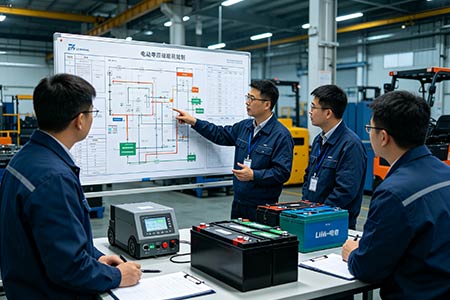
High-power fast charging version can finish 20% to 80% charging within 1 hour. It supports opportunity charging during lunch break or shift change, which is the preferred choice for multi-shift continuous workshop production lines. Lithium batteries need charging ambient temperature between 0 and 40 degrees Celsius, away from humid and high-temperature areas to reduce performance attenuation during charging.
When arranging transportation plans, enterprises can select battery types for workshop electric tractor according to production shifts. Lead-acid models fit single-shift work, while lithium models are recommended for continuous multi-shift production to keep uninterrupted material delivery by intermittent charging. If you need charging schedule planning for workshop transportation, please contact us and get corresponding equipment selection suggestions.
-
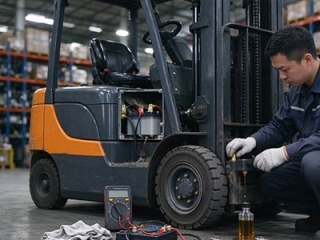 Reliability Of Newnewton Warehouse Forklifts For Heavy-Duty ShiftsWarehouse forklift reliability relies on industrial parts, reinforced frames and factory durability tests. Proper operation and maintenance reduce unexpected downtime.
Do you like ?0
Read more -
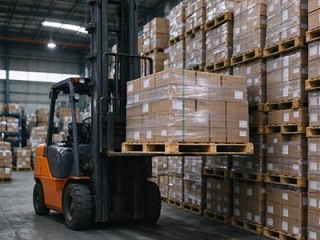 Forklift Configuration Strategy For Dense Warehousing, Warehouse ForkliftDense warehousing needs matched forklifts besides racks. Reach and trilateral stackers fit different layouts, coordinate aisle, load curve and floor for smooth handling.
Do you like ?0
Read more -
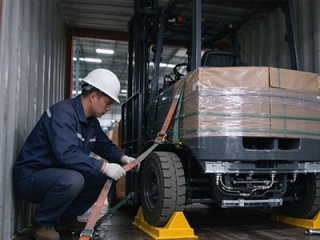 Full Container Supply For Export Forklifts, Forklift ManufacturerBulk forklift orders for overseas can ship by FCL or LCL. Newnewton FCL offers stable freight, safer packing and mixed models for large purchases.
Do you like ?0
Read more -
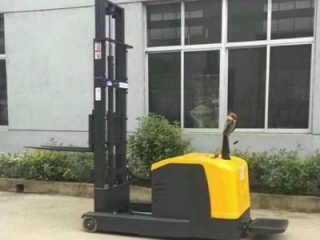 Stand-on Reach Stacker For Narrow Aisle Stacking, Mast Reach StructureStand-on reach stackers feature sliding masts that stay outside racks. They boost storage density in narrow aisles and require flat floors and standard pallets.
Do you like ?0
Read more -
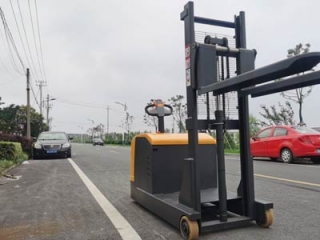 Stand-on Counterbalance Stacker For Various Pallets, Why No Leg RestrictionCounterbalance stackers have no front outriggers, using rear counterweight to avoid pallet interference. They fit various odd pallets yet need wider warehouse aisles.
Do you like ?0
Read more -
 Custom Walk-Behind Counterbalance Stacker | Non-Standard ModificationsStandard walk-behind counterbalance stackers struggle with non-standard pallets and tight aisles. Customize load, lift, forks and structure, share working conditions for safe design.
Do you like ?0
Read more