
Manual Stacker Vs Pallet Jack: Key Operational Function Differences
Many new warehouse buyers confuse manual pallet trucks and manual stackers. Differences between manual pallet truck and stacker lie in core purposes and structural designs, even though both adopt manual hydraulic drive. Some buyers even try to use one machine for both transfer and stacking, which leads to operation jams and safety risks.
A manual pallet truck, commonly known as a pallet jack, is built only for horizontal transport. Its minimum fork height is around 85 mm, and the maximum lifting height is usually 190 mm. It only lifts pallets off the ground for moving goods on the floor or the lowest rack level.
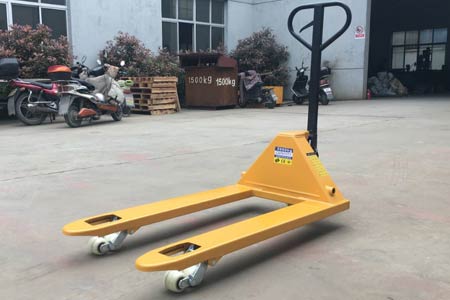
It works well in courier sorting warehouses and temporary raw material zones. Workers move full pallets from unloading areas to stock zones without high stacking. It is easy to operate and low-cost. It has no structure for high-level stacking. Lifting heavy loads to high heights will easily cause tipping.
A manual stacker is designed for stacking and rack storage. It offers various lifting heights such as 1.6 m, 2 m and 2.5 m. The hydraulic cylinder lifts forks and pallets vertically to place or retrieve goods on racks.
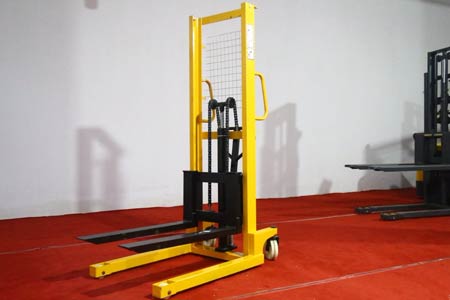
It features a narrower body and support legs for narrow aisles, ideal for raw material and finished goods warehouses. Yet it is not suitable for long-distance hauling. It weighs more and is harder to push, so it is much less efficient than a pallet jack for long transfers.
Choose a manual pallet truck if you only move pallets horizontally. Pick a manual stacker when goods need to be lifted onto racks. Many small and medium warehouses buy both. Pallet jacks handle short-distance transfer while stackers complete racking, balancing cost and working efficiency. Manual stacker vs pallet jack has obvious functional gaps. Sort out your warehouse workflow and the proportion of transfer and stacking before purchasing to avoid unnecessary waste.
-
 Maintenance Notes for Double Pallet Truck Under Heavy Warehouse LoadsOperators often ignore abnormal motor noise of double pallet trucks during rush orders. Continuous operation burns motors. Timely maintenance prevents failures.
Do you like ?0
Read more -
 How to Get Accurate Quotations for Stand-on Counterbalance StackerStand-on counterbalance stackers rely on rear weight for stability and cost more. Battery, load, lift height and custom options affect final quotations.
Do you like ?0
Read more -
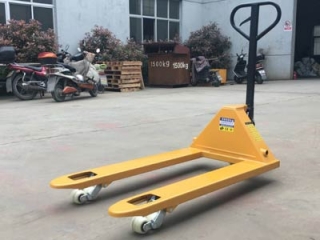 Manual Stacker Vs Pallet Jack: Key Operational Function DifferencesNew buyers confuse manual pallet trucks and manual stackers. They differ in lifting function. Pallet trucks for transfer, stackers for racking to avoid risks.
Do you like ?0
Read more -
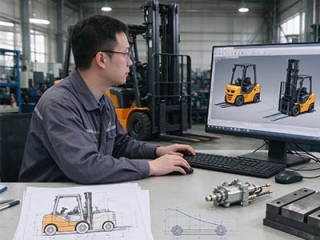 Custom Forklift Dimensions for Export to Fit Narrow Warehouse AislesForklift export faces size risks. Overseas orders may fail door, container or aisle fit. Customization needs balance of gravity, load and target market certifications.
Do you like ?0
Read more -
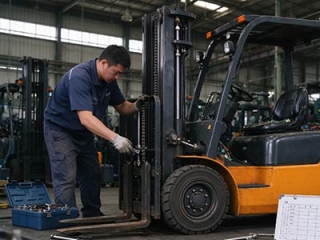 Forklift Safety Management Guide Based on Special Equipment SpecificationsForklifts are special equipment. Follow TSG 81 with training, records, inspection and on-site control to prevent accidents and penalties.
Do you like ?0
Read more -
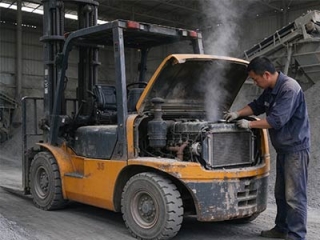 Heavy-Duty Diesel Forklift High Temperature Troubleshooting Guide3.5t diesel forklifts often overheat when handling sand and stone. Inspect cooling system step by step: radiator, belt, shroud, thermostat and water pump.
Do you like ?0
Read more








