CPD30 3t Lithium Battery Counterbalanced Forklift Truck User Guide
.
Scope of application and use environment
1.2 Main Uses
Handling and stacking palletized goods: Forklifts are mainly used to move goods placed on pallets and stack them at a certain height.
Handling non-palletized goods: Equipped with the right attachments, it can be used to move and stack goods that are not placed on pallets.
It is forbidden to use forklifts for other purposes such as traction and carrying people.
1.3 Working Environment
1.3.1 Ground conditions
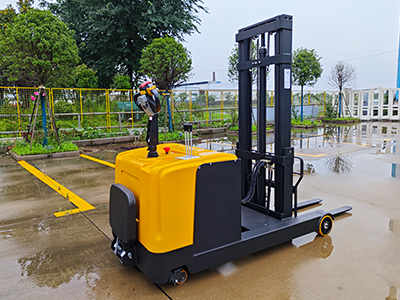
Lithium battery counterbalanced forklifts should work in a flat, firm road or ground with good ventilation.
The performance of lithium battery counterbalanced forklifts is affected by ground conditions, and the driving speed needs to be adjusted according to the actual situation.
When driving on slopes or rough roads, you should take extra care to ensure that you can stop in time.
1.3.2 Climatic conditions
Ice and snow roads: Snow chains should be installed before driving, and sharp acceleration, sudden stops, and sharp turns should be avoided.
WARNING: After installing the snow chain, the grip is enhanced, but the unilateral slip anti-slip performance is reduced, attention should be taken.
Windy weather: Outdoor work in windy weather should be avoided as much as possible, as high winds can affect the driver's vision and may cause unstable loading.
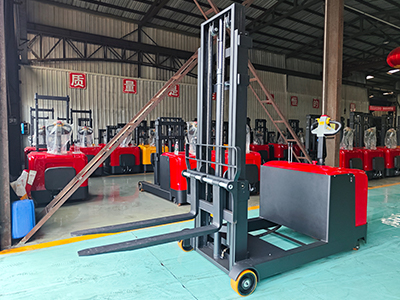
Cold season: Lithium battery counterbalanced forklifts should pay attention to the charging temperature, the normal charging temperature range of the battery is 5-40°, do not use it in an environment beyond the normal charging temperature range.
Be sure to follow these safety guidelines to ensure safe operation and extend the life of your equipment.
-
 Newnewton Forklift Manufacturer, Forklift CE Certification for ExportNewnewton forklift factory offers full CE certification complying with EN ISO 3691, complete technical documents and OEM service to reduce customs detention risks.
Do you like ?0
Read more -
 Electric Forklift Vs Diesel Forklift, Warehouse Selection GuideElectric forklift is zero-emission and quiet for indoor clean warehouses. Diesel forklift offers strong power for outdoor heavy-duty tasks.
Do you like ?0
Read more -
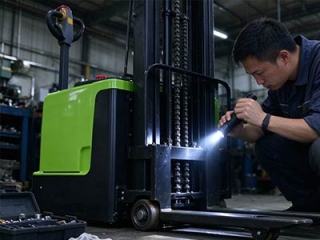 Narrow Aisle Stacker Forklift Custom Manufacturer for WarehouseCustom narrow aisle stacker for non-standard racking. Adjust body, mast and fork specs, upgrade power and protection, site survey available.
Do you like ?0
Read more -
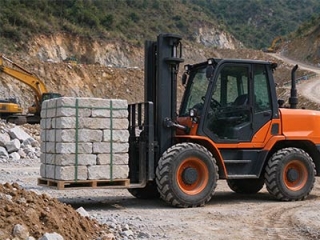 4WD All Terrain Rough Terrain Forklift Climbing for Mountain Sites4WD rough terrain forklift works on unpaved roads. Observe load climbing limit, attachments optional for forest and construction sites.
Do you like ?0
Read more -
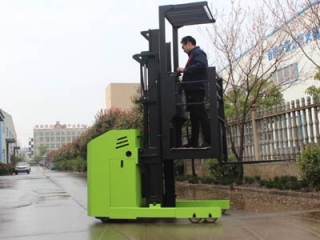 Man-Up Order Picker for High Level Picking, Suitable Warehouse ModesMan-up high level order picker for high-level split picking. Not for full pallet stacking, check rack, aisle and floor before selection.
Do you like ?0
Read more -
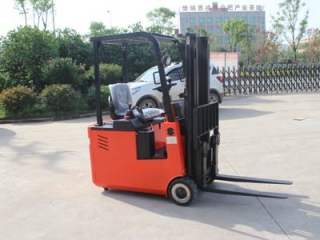 Narrow Aisle Operation Of Three-Wheel Forklift With Compact Turning RadiusThree-point electric forklift features small turning radius for narrow aisles. Reserve safety margin and check floor condition during selection.
Do you like ?0
Read more