
"Level 3 maintenance is indispensable! Forklift maintenance strategy"
First, the key points of the first-level maintenance of forklifts
Carefully check the engine oil quantity, oil viscosity and oil cleanliness;
Thoroughly clean the battery and add distilled water if necessary to ensure performance;
Examine the appearance and tightness of the fan belt;
Check the gearbox, drive axle, working oil pump and water pump transmission device for abnormal noise;
According to the regulations, add an appropriate amount of oil or grease to each part of the clutch and brake longitudinal link;
Check the wear of the piston rod of the lifting cylinder and tilting cylinder, and use a stone or fine abrasive cloth if there is a slight abrasion;
Check and tighten the bolts and nuts of the tire.
Second, the main focus of the secondary maintenance of forklifts
Cleaning the inside of the engine oil pan, crankcase and oil filter and replacing it with new oil;
Clean the fuel tank and check whether the fuel line and oil pump joints are loose or leaking;
Check the distributor power-off contacts and adjust the clearance;
Inspect and tighten the bolts of each exposed part of the generator;
Check the discharge level of the battery and charge it as needed;
Replace the cooling water in the radiator;
Check and adjust the free travel of the clutch, brake pedals, and brake clearance of the wheel brakes;
Clean sediment and stagnant water from the bottom of the working oil tank, clean the filter and add new oil;
Check whether the tension of the two lifting chains is uniform;
Check the forklift truck clamp and fork heel for deformation or cracks.
Third, the key points of the three-level maintenance of forklifts
Adjust the valve clearance to ensure the normal operation of the engine;
Measure cylinder pressure and check for abnormalities;
Check the working performance of the clutch and adjust it if necessary;
Check the free travel of the steering wheel, the connection of the steering tie rod, and the wear of the steering knuckle pin and pin;
Check clutch and brake pedal bearing wear;
Clean the truck carefully and inspect and tighten all exposed bolts and nuts.
-
 Newnewton Forklift Manufacturer, Forklift CE Certification for ExportNewnewton forklift factory offers full CE certification complying with EN ISO 3691, complete technical documents and OEM service to reduce customs detention risks.
Do you like ?0
Read more -
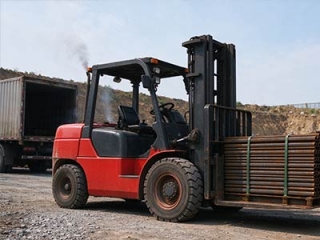 Electric Forklift Vs Diesel Forklift, Warehouse Selection GuideElectric forklift is zero-emission and quiet for indoor clean warehouses. Diesel forklift offers strong power for outdoor heavy-duty tasks.
Do you like ?0
Read more -
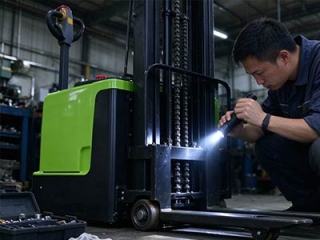 Narrow Aisle Stacker Forklift Custom Manufacturer for WarehouseCustom narrow aisle stacker for non-standard racking. Adjust body, mast and fork specs, upgrade power and protection, site survey available.
Do you like ?0
Read more -
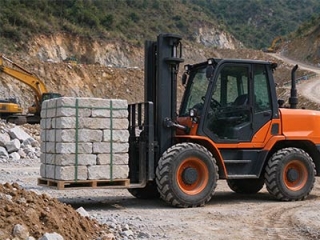 4WD All Terrain Rough Terrain Forklift Climbing for Mountain Sites4WD rough terrain forklift works on unpaved roads. Observe load climbing limit, attachments optional for forest and construction sites.
Do you like ?0
Read more -
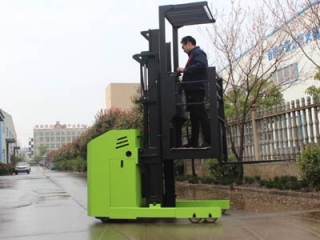 Man-Up Order Picker for High Level Picking, Suitable Warehouse ModesMan-up high level order picker for high-level split picking. Not for full pallet stacking, check rack, aisle and floor before selection.
Do you like ?0
Read more -
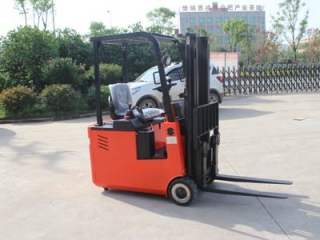 Narrow Aisle Operation Of Three-Wheel Forklift With Compact Turning RadiusThree-point electric forklift features small turning radius for narrow aisles. Reserve safety margin and check floor condition during selection.
Do you like ?0
Read more








