
Is Heating Normal When Charging a Walk‑Behind Electric Stacker? Full Safety Guid
Users of fully electric walk‑behind stackers may notice that the battery or charger becomes slightly warm during charging, which often causes concerns about potential malfunctions. In fact, mild heating is a normal occurrence, but excessively high temperatures require immediate attention to prevent battery damage and safety hazards. Here we cover the key charging precautions for small electric stackers.
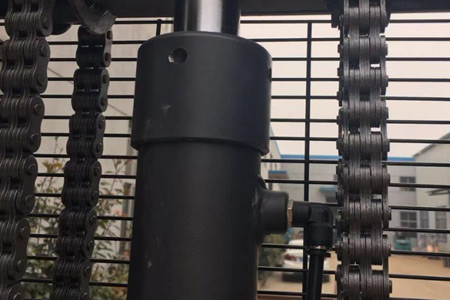
1. Is Charging Heating Normal?
Mild heating: The charger and battery feel warm to the touch and can be held comfortably for a long time. This is completely normal during charging.
Severe overheating: Hot to the touch, strange odors, casing deformation, smoking or battery swelling are abnormal signs. Charging must be stopped immediately.
Generally, both lead‑acid batteries and lithium batteries produce heat in the middle and late stages of charging. Temperatures within approximately 50°C are considered safe.
2. Safety Charging Precautions for Small Electric Stackers
Always use the original matching charger; do not mix different models.
Charge only in a well‑ventilated, dry area away from fire and flammable materials.
Avoid charging in high‑temperature environments, direct sunlight or rainy outdoor conditions.
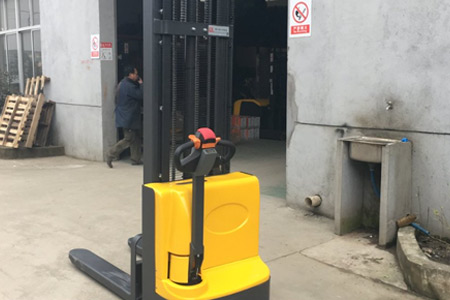
Connect the battery connector first, then plug in the power supply. When fully charged, disconnect the power before unplugging the battery.
Avoid overcharging; disconnect power once fully charged, as prolonged overcharging may cause overheating and swelling.
Do not fully drain the battery before recharging. The optimal charging point is around 20% remaining power.
If abnormal noise, strange odors or excessive overheating occurs during charging, cut off power and inspect immediately.
For long‑term storage, recharge the battery monthly to prevent damage from over‑discharging.
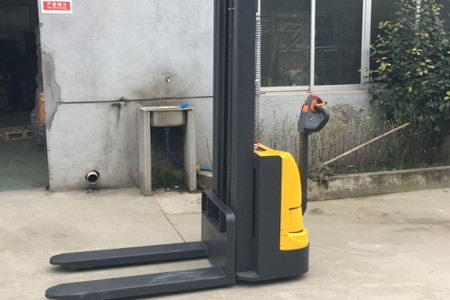
Do not cover the battery or charger; ensure sufficient heat dissipation.
Keep the charging area clear of people and debris to maintain a safe space.
3. Stop Use Immediately in These Situations
Battery swelling, deformation or leakage
Persistent high temperature and burning heat during charging
Burning smell or smoke coming from the charger
Failure to start after long charging or rapid power loss
If any of these issues occur, contact the original manufacturer of promptly for battery replacement or maintenance to avoid safety risks from continued use.
-
 Reliability Of Newnewton Warehouse Forklifts For Heavy-Duty ShiftsWarehouse forklift reliability relies on industrial parts, reinforced frames and factory durability tests. Proper operation and maintenance reduce unexpected downtime.
Do you like ?0
Read more -
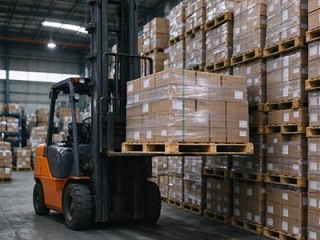 Forklift Configuration Strategy For Dense Warehousing, Warehouse ForkliftDense warehousing needs matched forklifts besides racks. Reach and trilateral stackers fit different layouts, coordinate aisle, load curve and floor for smooth handling.
Do you like ?0
Read more -
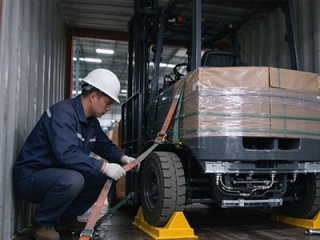 Full Container Supply For Export Forklifts, Forklift ManufacturerBulk forklift orders for overseas can ship by FCL or LCL. Newnewton FCL offers stable freight, safer packing and mixed models for large purchases.
Do you like ?0
Read more -
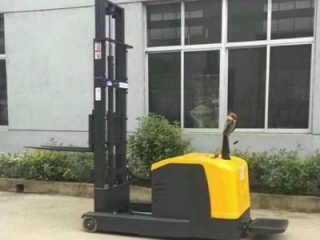 Stand-on Reach Stacker For Narrow Aisle Stacking, Mast Reach StructureStand-on reach stackers feature sliding masts that stay outside racks. They boost storage density in narrow aisles and require flat floors and standard pallets.
Do you like ?0
Read more -
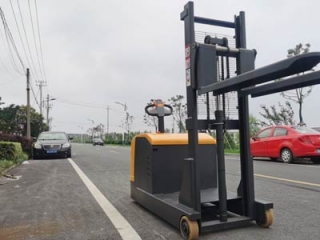 Stand-on Counterbalance Stacker For Various Pallets, Why No Leg RestrictionCounterbalance stackers have no front outriggers, using rear counterweight to avoid pallet interference. They fit various odd pallets yet need wider warehouse aisles.
Do you like ?0
Read more -
 Custom Walk-Behind Counterbalance Stacker | Non-Standard ModificationsStandard walk-behind counterbalance stackers struggle with non-standard pallets and tight aisles. Customize load, lift, forks and structure, share working conditions for safe design.
Do you like ?0
Read more








