Diesel forklifts deliver powerful performance and long runtime, suitable for continuous high-frequency work and tough working environments. However, improper operation will lead to excessive fuel consumption and raise your operating cost. How to reduce fuel consumption of diesel forklifts? Here are four practical fuel-saving operation tips.
Start smoothly and avoid heavy throttle stomping Press the accelerator slowly when starting the forklift, and do not accelerate sharply. Sudden throttle under heavy load keeps the engine running at high RPM and wastes fuel, meanwhile accelerating tire wear. Maintain a steady speed within factory speed limits. Frequent rapid acceleration and hard braking will add extra fuel consumption.
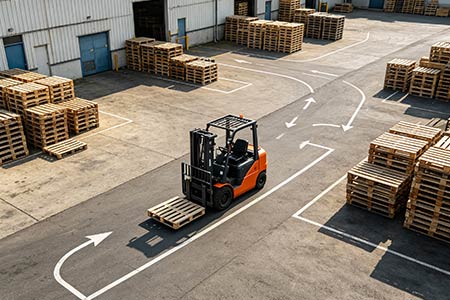
Keep forks at low height while travelling Lower the forks to 10 to 20 cm above ground during transportation. Raised forks shift the vehicle center of gravity upward and increase driving resistance, which boosts fuel use and raises rollover risk. Only lift forks when stacking or picking goods, and lower forks before moving.
Plan routes properly to cut empty runs Arrange loading and unloading sequence in advance to reduce empty back-and-forth trips and prolonged idling. Group cargo handling to avoid multiple short-distance transfers. Do not keep the engine idling for long waiting periods. Shut down the engine if waiting exceeds 3 minutes to avoid unnecessary fuel waste.
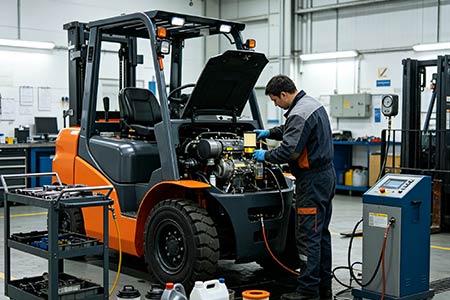
Perform regular maintenance to keep engine in good condition Clogged air filters restrict air intake and cause incomplete combustion, leading to higher fuel consumption. Clean or replace them on schedule. Use manufacturer-recommended engine oil. Aged oil or improper viscosity increases engine resistance. Check tire pressure as well. Low tire pressure increases rolling resistance and indirectly consumes more fuel.
Master these fuel-saving operation tips for diesel forklifts to cut fuel loss and save considerable maintenance costs over time. Feel free to contact us for more workflow optimization solutions to meet your reasonable requirements.
-
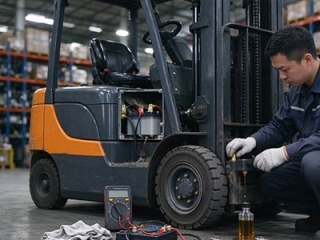 Reliability Of Newnewton Warehouse Forklifts For Heavy-Duty ShiftsWarehouse forklift reliability relies on industrial parts, reinforced frames and factory durability tests. Proper operation and maintenance reduce unexpected downtime.
Do you like ?0
Read more -
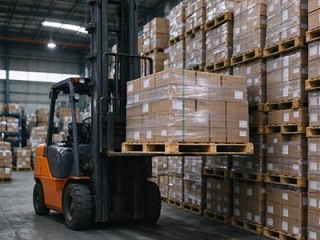 Forklift Configuration Strategy For Dense Warehousing, Warehouse ForkliftDense warehousing needs matched forklifts besides racks. Reach and trilateral stackers fit different layouts, coordinate aisle, load curve and floor for smooth handling.
Do you like ?0
Read more -
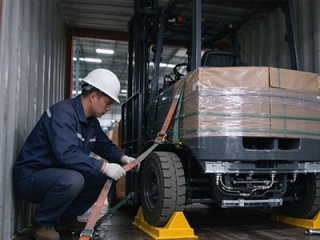 Full Container Supply For Export Forklifts, Forklift ManufacturerBulk forklift orders for overseas can ship by FCL or LCL. Newnewton FCL offers stable freight, safer packing and mixed models for large purchases.
Do you like ?0
Read more -
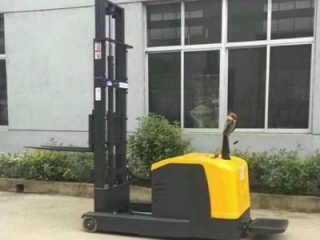 Stand-on Reach Stacker For Narrow Aisle Stacking, Mast Reach StructureStand-on reach stackers feature sliding masts that stay outside racks. They boost storage density in narrow aisles and require flat floors and standard pallets.
Do you like ?0
Read more -
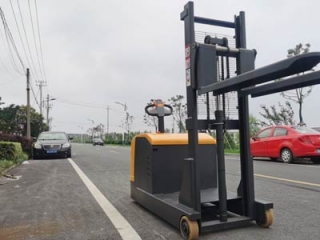 Stand-on Counterbalance Stacker For Various Pallets, Why No Leg RestrictionCounterbalance stackers have no front outriggers, using rear counterweight to avoid pallet interference. They fit various odd pallets yet need wider warehouse aisles.
Do you like ?0
Read more -
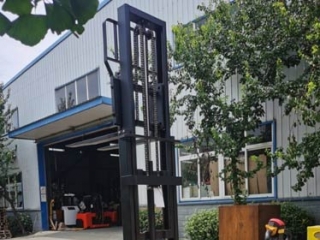 Custom Walk-Behind Counterbalance Stacker | Non-Standard ModificationsStandard walk-behind counterbalance stackers struggle with non-standard pallets and tight aisles. Customize load, lift, forks and structure, share working conditions for safe design.
Do you like ?0
Read more