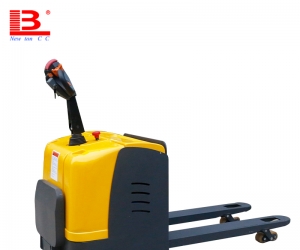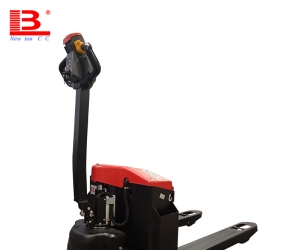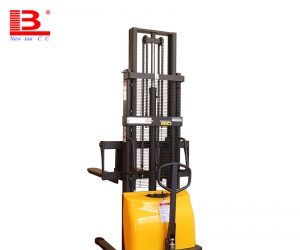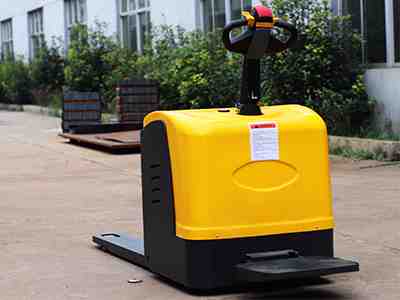
As a manufacturer of electric pallet trucks, we have received many questions from customers. The most basic question when consulting electric pallet trucks should be about the operation of electric pallet trucks. Below we will explain in detail the driving operation and steps of the electric hydraulic pallet truck.
1. The start of the electric pallet truck:
Check whether the emergency cut-off switch of the electric pallet truck is turned off. First, turn on the emergency cut-off switch of the electric pallet truck.
Turn on the key switch of the electric pallet truck to see if the power display has enough power.
2. The movement of the electric pallet truck:
After starting the electric pallet truck normally, press down the handle of the electric pallet truck to between 90° and 180°.
When the handle is pressed down, the thumbs of both hands rotate the travel button forward, and the electric pallet truck moves forward. Turn the travel button one after another, and the electric pallet truck will move backwards.
3. The steering problem of the electric pallet truck:
When turning the electric pallet truck, pay attention to whether the operation is smooth and there is no abnormal noise. Do you need lubricating oil?
When the operation is smooth, turn the handle of the electric pallet truck left and right to change the direction.
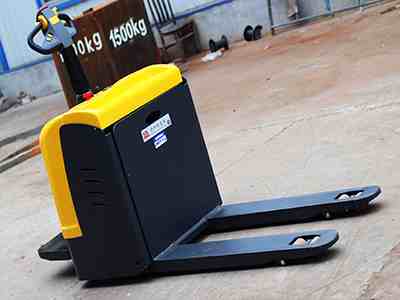
Fourth, the loading and unloading of electric pallet trucks:
1. The fork of the electric pallet truck is lowered to approach the goods.
2. Adjust the height of the forks of the electric hydraulic pallet truck so that the forks are as far as possible into the pallet.
3. The electric hydraulic pallet truck lifts the cargo a few centimeters and confirms whether the cargo is firm.
4. The electric hydraulic pallet truck leaves slowly.
6. After the electric pallet is moved close to the fixed place of the goods, slowly lower the fork to ensure the stability of the goods. After lowering the fork to the lowest position, exit the electric pallet.
7. After you stop using the electric pallet truck, turn off the key switch and remove the key.
-
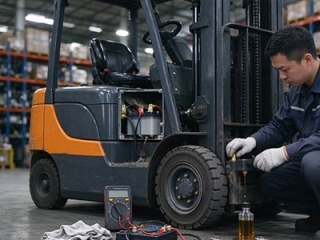 Reliability Of Newnewton Warehouse Forklifts For Heavy-Duty ShiftsWarehouse forklift reliability relies on industrial parts, reinforced frames and factory durability tests. Proper operation and maintenance reduce unexpected downtime.
Do you like ?0
Read more -
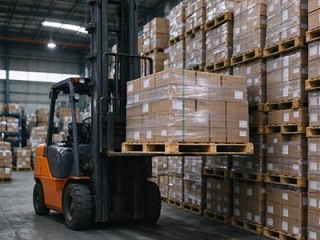 Forklift Configuration Strategy For Dense Warehousing, Warehouse ForkliftDense warehousing needs matched forklifts besides racks. Reach and trilateral stackers fit different layouts, coordinate aisle, load curve and floor for smooth handling.
Do you like ?0
Read more -
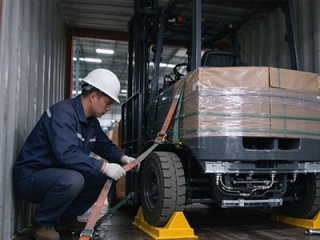 Full Container Supply For Export Forklifts, Forklift ManufacturerBulk forklift orders for overseas can ship by FCL or LCL. Newnewton FCL offers stable freight, safer packing and mixed models for large purchases.
Do you like ?0
Read more -
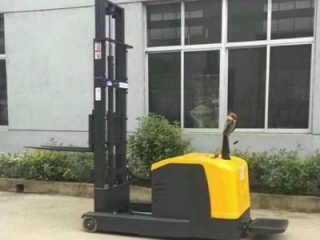 Stand-on Reach Stacker For Narrow Aisle Stacking, Mast Reach StructureStand-on reach stackers feature sliding masts that stay outside racks. They boost storage density in narrow aisles and require flat floors and standard pallets.
Do you like ?0
Read more -
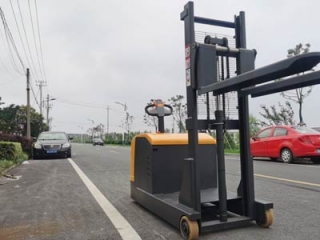 Stand-on Counterbalance Stacker For Various Pallets, Why No Leg RestrictionCounterbalance stackers have no front outriggers, using rear counterweight to avoid pallet interference. They fit various odd pallets yet need wider warehouse aisles.
Do you like ?0
Read more -
 Custom Walk-Behind Counterbalance Stacker | Non-Standard ModificationsStandard walk-behind counterbalance stackers struggle with non-standard pallets and tight aisles. Customize load, lift, forks and structure, share working conditions for safe design.
Do you like ?0
Read more