Electric Stackers: Forklifts? Special equipment? Interpretation of one article!
The identity of the electric stacker, as a common handling assistant in warehouses and workshops, is often confusing: is it a forklift? Do I need to apply for a special equipment license? Do operators need to have special documents?
The electric stacker is revealed
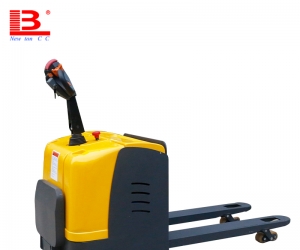
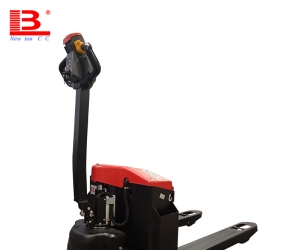
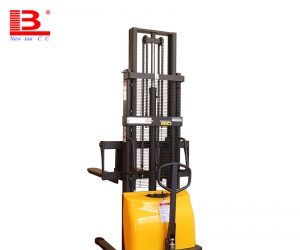
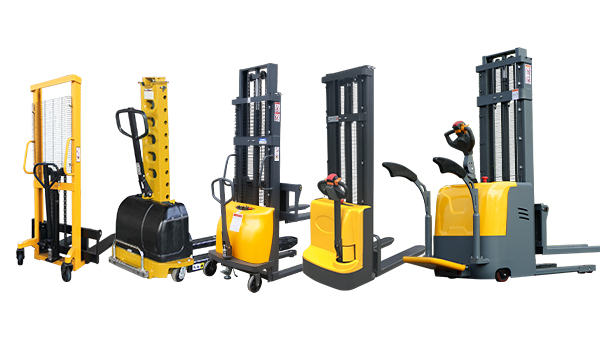
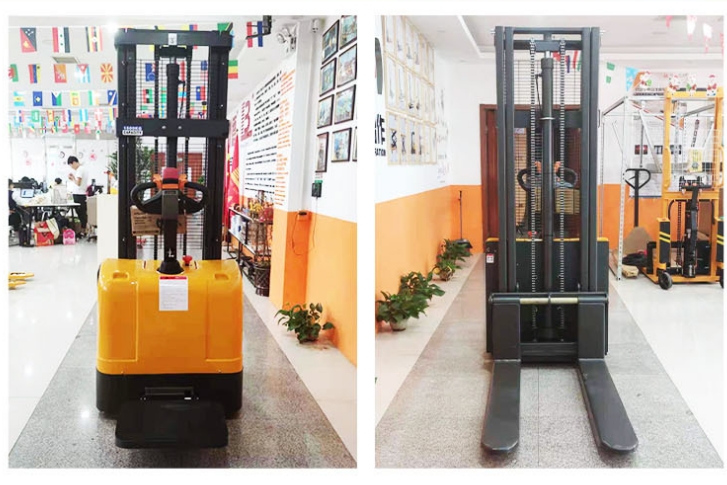
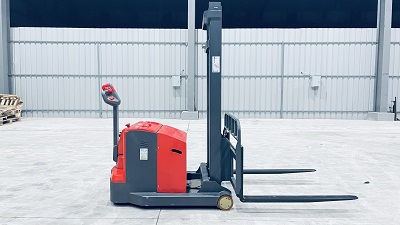
First of all, let's get to know the electric stacker. It is electrically driven, relying on motors, hydraulic systems and other components to realize the lifting and handling of goods, and is widely used in the field of warehousing and logistics. There are many types of electric stackers on the market, including all-electric, semi-electric, reach-forward, and more, which is dazzling.
The Mystery of Identity: Deciphering the Criteria
To answer your questions, we need to consult the relevant national standards. According to the definition of TSG 81-2022 "Technical Regulations for the Safety of Special Motor Vehicles in Yards (Factories)", "self-propelled vehicles" refer to vehicles that can be driven by their own power.
However, it should be noted that for semi-electric stackers with a lifting capacity greater than or equal to 0.5 tons, it is recommended to refer to special equipment for management, although a forklift license is not required, but the operator still needs to undergo professional training.
Local regulations and advice
It should be noted that there may be differences in the management regulations for electric stackers in some regions. In order to ensure the compliant use, it is recommended that enterprises must consult the local market supervision and management department or special equipment inspection agency before purchasing and using electric stackers, and learn more about relevant policies and regulations to avoid unnecessary trouble.
In short, the correct understanding of the "identity" of the electric stacker is not only related to the safe use of equipment, but also closely related to the legal operation of the enterprise. I hope this article can help you solve your doubts and make it smoother on the road to standardize the use of electric stackers!
The all-electric stacker, because of its automatic driving function, is classified as a "special motor vehicle in the field (factory)" and belongs to special equipment. Therefore, regular inspections are required, and operators need to hold the corresponding forklift operation certificates.
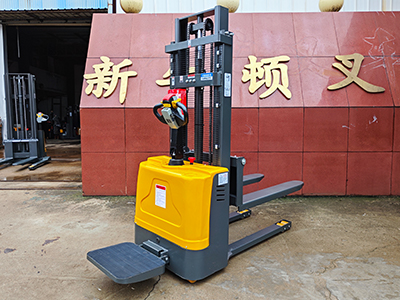
Semi-electric stackers, because they need to be driven by manpower, do not meet the definition of "self-propelled vehicles", so they do not belong to special equipment.
-
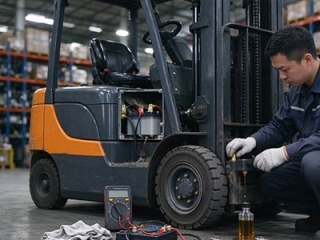 Reliability Of Newnewton Warehouse Forklifts For Heavy-Duty ShiftsWarehouse forklift reliability relies on industrial parts, reinforced frames and factory durability tests. Proper operation and maintenance reduce unexpected downtime.
Do you like ?0
Read more -
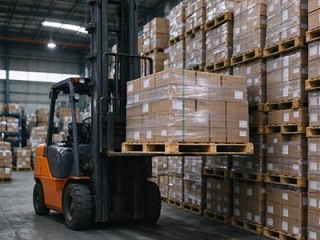 Forklift Configuration Strategy For Dense Warehousing, Warehouse ForkliftDense warehousing needs matched forklifts besides racks. Reach and trilateral stackers fit different layouts, coordinate aisle, load curve and floor for smooth handling.
Do you like ?0
Read more -
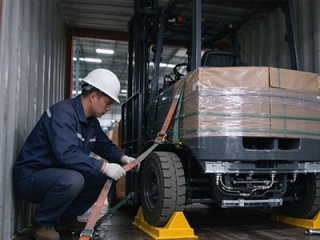 Full Container Supply For Export Forklifts, Forklift ManufacturerBulk forklift orders for overseas can ship by FCL or LCL. Newnewton FCL offers stable freight, safer packing and mixed models for large purchases.
Do you like ?0
Read more -
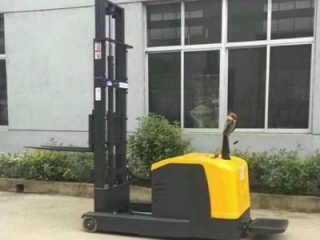 Stand-on Reach Stacker For Narrow Aisle Stacking, Mast Reach StructureStand-on reach stackers feature sliding masts that stay outside racks. They boost storage density in narrow aisles and require flat floors and standard pallets.
Do you like ?0
Read more -
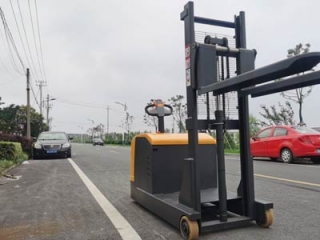 Stand-on Counterbalance Stacker For Various Pallets, Why No Leg RestrictionCounterbalance stackers have no front outriggers, using rear counterweight to avoid pallet interference. They fit various odd pallets yet need wider warehouse aisles.
Do you like ?0
Read more -
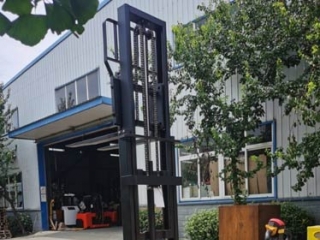 Custom Walk-Behind Counterbalance Stacker | Non-Standard ModificationsStandard walk-behind counterbalance stackers struggle with non-standard pallets and tight aisles. Customize load, lift, forks and structure, share working conditions for safe design.
Do you like ?0
Read more