"Electric Pallet Truck Breakdown Guide: Troubleshooting and Quick Fix Manual"
As a high-efficiency green logistics tool, all-electric pallet trucks are increasingly favored by the industry. However, with the increasing popularity, it is particularly important to effectively avoid and deal with common fault problems. The following is a compilation of detailed analysis and solutions to nine types of problems that may arise in the use of electric pallet trucks:
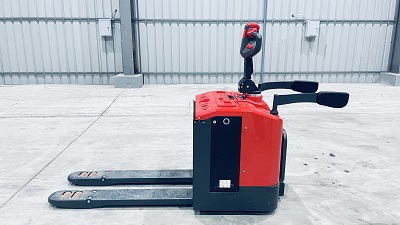
Indication and solution strategy of common faults of electric pallet trucks
Lifting trembling: It may be that air accumulates in the lifting cylinder, the air is discharged from multiple lifting operations, or the sealing treatment of the hydraulic cylinder is checked.
Load self-falling: check the tubing joints and replace the damaged seals; Clean the manifold to address dirt and wear.
Lifting problems: replenish or replace the hydraulic oil, check the pressure of the relief valve; Check the wear and replacement of the hydraulic pump.
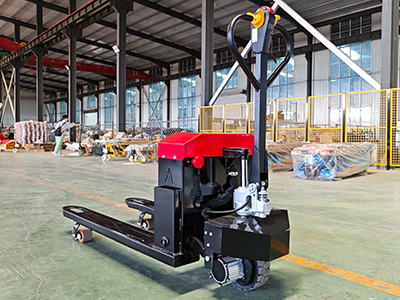
Abnormal noise of the driving wheel: update the lubricating oil containing impurities, and replace the bearing if necessary; Make sure the braking system is working properly.
Brake failure: check the circuit connection; Replace the worn friction plates.
No action response: confirm the status of the electric door lock and check whether the battery is charged; Troubleshoot microswitches, contactors, or control boards.
Walking problems: detect the battery level, battery replenishment; Adjust the micro switch of the walking control; Check the contactor and drive motor.
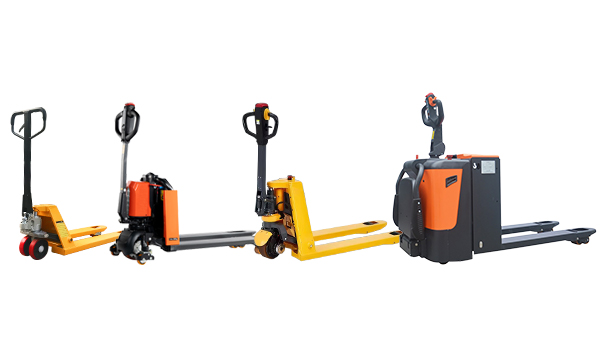
Battery problems: rehydrate or replace the battery; adjust the charger contact; Replace old and weak batteries or service chargers.
Charger Failure: Check the charger for visible damage, replace the fuse, or repair the damaged components inside.
By understanding how these faults manifest and how to resolve them, operators can quickly locate the problem and take appropriate action to ensure efficient operation of the electric pallet truck, reduce downtime, and improve overall operational efficiency. Remember to maintain and inspect regularly to reduce the likelihood of potential failures.
-
 Reliability Of Newnewton Warehouse Forklifts For Heavy-Duty ShiftsWarehouse forklift reliability relies on industrial parts, reinforced frames and factory durability tests. Proper operation and maintenance reduce unexpected downtime.
Do you like ?0
Read more -
 Forklift Configuration Strategy For Dense Warehousing, Warehouse ForkliftDense warehousing needs matched forklifts besides racks. Reach and trilateral stackers fit different layouts, coordinate aisle, load curve and floor for smooth handling.
Do you like ?0
Read more -
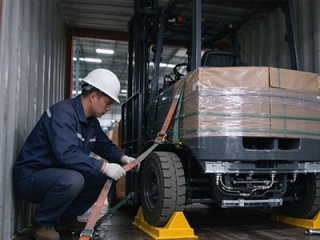 Full Container Supply For Export Forklifts, Forklift ManufacturerBulk forklift orders for overseas can ship by FCL or LCL. Newnewton FCL offers stable freight, safer packing and mixed models for large purchases.
Do you like ?0
Read more -
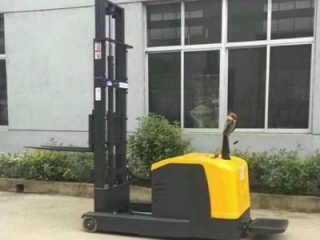 Stand-on Reach Stacker For Narrow Aisle Stacking, Mast Reach StructureStand-on reach stackers feature sliding masts that stay outside racks. They boost storage density in narrow aisles and require flat floors and standard pallets.
Do you like ?0
Read more -
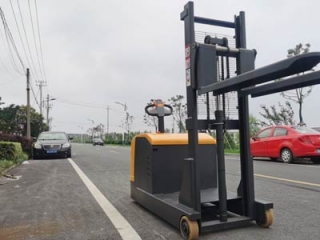 Stand-on Counterbalance Stacker For Various Pallets, Why No Leg RestrictionCounterbalance stackers have no front outriggers, using rear counterweight to avoid pallet interference. They fit various odd pallets yet need wider warehouse aisles.
Do you like ?0
Read more -
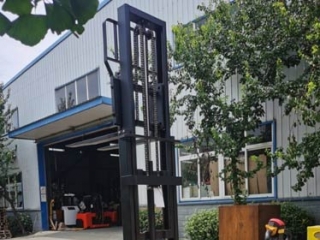 Custom Walk-Behind Counterbalance Stacker | Non-Standard ModificationsStandard walk-behind counterbalance stackers struggle with non-standard pallets and tight aisles. Customize load, lift, forks and structure, share working conditions for safe design.
Do you like ?0
Read more