Many new diesel forklift owners ask: How to break-in an internal combustion forklift?In fact, the break-in process directly affects engine life, failure rate and later fuel consumption. Understanding these details will help you use the forklift better. Today we explain it all clearly.
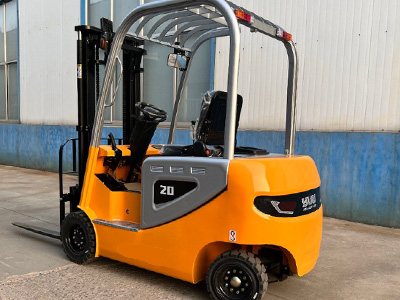
The key to how to break-in an internal combustion forklift is light load, constant speed, and gradual operation, allowing the engine, gearbox and hydraulic system to work together fully.The first 50 hours of a new forklift are the critical break-in period. Do not overload, do not rev the engine aggressively, and avoid long hours of high-speed operation. Keep it at medium and low speed to let all parts adapt smoothly.
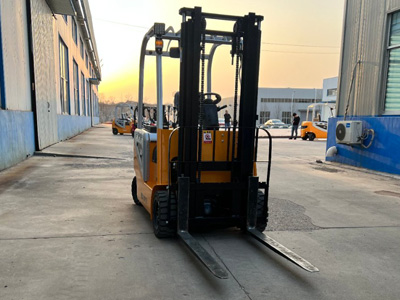
During break-in, check engine oil, coolant and hydraulic oil frequently, and tighten loose parts in time to avoid early wear caused by vibration.A properly broken-in industrial diesel forklift will have more stable power, lower fuel consumption and fewer failures, and can adapt to complex road conditions and continuous work in industrial zones for a long time.
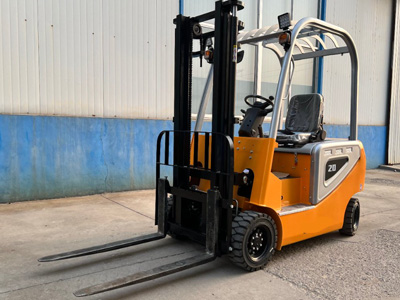
For regular eco-friendly diesel forklifts, environmental performance must also be protected during break-in.Standard eco-friendly engines require the use of specified eco-diesel and engine oil to avoid substandard fuel causing excessive emissions or engine blockage, which would damage environmental performance and service life.Also, check the exhaust treatment system to ensure normal operation. After break-in, perform a full maintenance and clean the exhaust filtration components to keep the forklift compliant with industrial emission standards.
As environmental requirements become stricter, be sure to choose regular eco-friendly diesel forklifts with certified engines, low noise and clean emissions.They meet industrial zone standards, and with scientific break-in, the forklift will run stably for a long time and have a greatly extended service life.
-
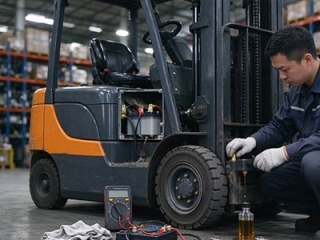 Reliability Of Newnewton Warehouse Forklifts For Heavy-Duty ShiftsWarehouse forklift reliability relies on industrial parts, reinforced frames and factory durability tests. Proper operation and maintenance reduce unexpected downtime.
Do you like ?0
Read more -
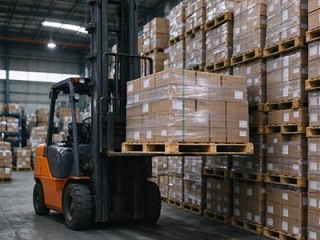 Forklift Configuration Strategy For Dense Warehousing, Warehouse ForkliftDense warehousing needs matched forklifts besides racks. Reach and trilateral stackers fit different layouts, coordinate aisle, load curve and floor for smooth handling.
Do you like ?0
Read more -
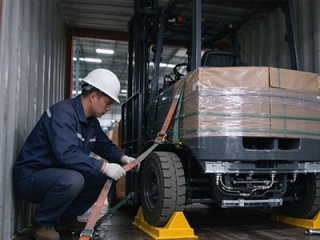 Full Container Supply For Export Forklifts, Forklift ManufacturerBulk forklift orders for overseas can ship by FCL or LCL. Newnewton FCL offers stable freight, safer packing and mixed models for large purchases.
Do you like ?0
Read more -
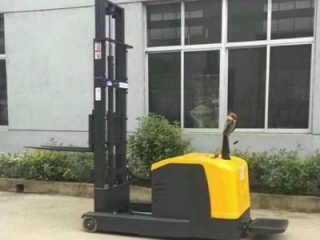 Stand-on Reach Stacker For Narrow Aisle Stacking, Mast Reach StructureStand-on reach stackers feature sliding masts that stay outside racks. They boost storage density in narrow aisles and require flat floors and standard pallets.
Do you like ?0
Read more -
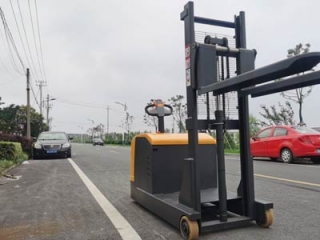 Stand-on Counterbalance Stacker For Various Pallets, Why No Leg RestrictionCounterbalance stackers have no front outriggers, using rear counterweight to avoid pallet interference. They fit various odd pallets yet need wider warehouse aisles.
Do you like ?0
Read more -
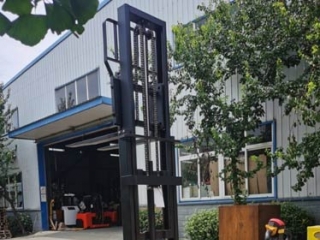 Custom Walk-Behind Counterbalance Stacker | Non-Standard ModificationsStandard walk-behind counterbalance stackers struggle with non-standard pallets and tight aisles. Customize load, lift, forks and structure, share working conditions for safe design.
Do you like ?0
Read more