
Refueling Specifications For Internal Combustion Forklift Safety Guide
High temperatures arrive in July 2026. Many domestic and overseas factories face extreme heat. If you are wondering What To Notice When Refueling Diesel Forklift, follow standardized safety refueling rules complying with OSHA29 CFR 1910.178, ISO 3691-1:2020, Linde global EHS codes and ANSI/ITSDF B56.1. Factory ERP maintenance records from 2024 to 2026 show 42% of diesel engine failures and 87% fire risks originate from improper refueling. Standardized operations eliminate most hazards.
Step 1: Park At Designated Zone & Fully Shut Down Engine
Only refuel in dedicated ventilated fuel stations; refueling inside warehouses, enclosed workshops or sun-exposed areas is prohibited. Stop the truck firmly, engage handbrake and place wheel chocks; maintain a minimum 0.8-meter gap between forklift and fuel dispenser. Turn off the engine completely, remove the key and let it cool for 3–8 minutes. Western standards require all electrical switches to be powered off to avoid electric sparks. Clear cartons, rags, plastics and all flammables within 10 meters; no ignition sources nearby.
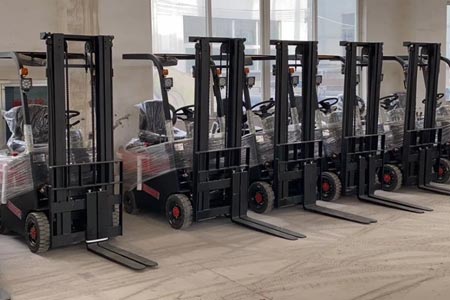
Step 2: Anti-static Protection & Standard PPE
Wear static-resistant cotton overalls. OSHA mandates chemical-resistant gloves and safety goggles to prevent diesel splashes. Touch the metal fuel tank with your palm to discharge static before opening the cap; avoid twisting the cap quickly which generates static sparks. Grounding clamps are compulsory in overseas yards. No cell phones, lighters, welding, grinding or smoking within the 10-meter fire exclusion zone specified by ISO.
Step 3: Slow Refueling & Reserve Expansion Space For High Temperature
Insert the fuel nozzle fully into the tank without suspended filling. Refuel at low speed and leave 10% empty space for thermal expansion; never fill the tank to full capacity. OSHA regards hot weather fuel overflow as severe safety & environmental hazard. Do not pull out the nozzle halfway during refueling to avoid leakage and splashing.
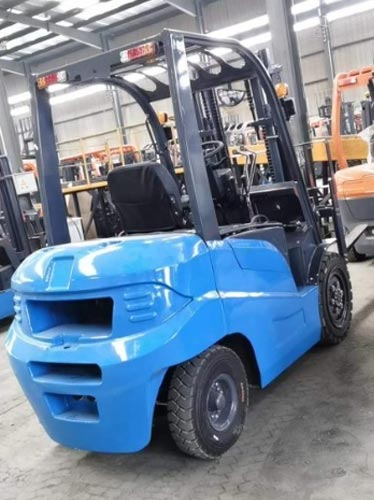
Step 4: Clean Up Residues Before Restarting
Wait 1 minute after filling before pulling out the nozzle and tighten the dust cap tightly. Absorb spilled diesel with dedicated oil-absorbent pads. Oily rags must be stored in sealed metal bins, never left exposed outdoors. Only start the forklift after clearing all spilled oil and volatile fumes.
Special High-temperature Refueling Tips For July 2026
Avoid noon refueling: Ground temperature exceeds 35℃ between 11:00–16:00, diesel volatilization rate rises by 2.6 times. Refuel in cool morning or evening hours.
Sufficient cooling after heavy loads: Cylinder and exhaust pipes reach over 400℃ after heavy-duty work; cool the machine for at least 8 minutes before refueling.
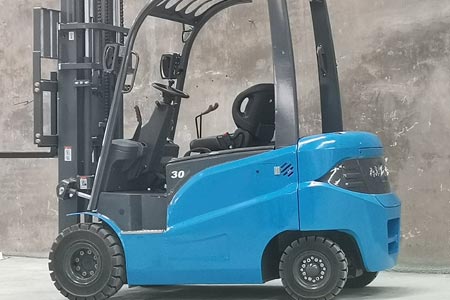
Standard fuel requirement: Use national standard 0# diesel in July. Waste water-contaminated non-standard oil is forbidden. Factory data shows fuel pump wear surges by 75% after 30 days of inferior oil use, causing over $414 in repair expenses.
Rain protection: Suspend refueling during thunderstorms. If refueling is unavoidable, turn off workshop fans to stop rainwater entering the tank, which causes pipeline corrosion and engine stall.
Standardized Refueling Specifications For Internal Combustion Forklift are core fire prevention and cost-control rules for domestic and overseas factories in hot July 2026. Master these procedures to operate forklifts safely and cut unnecessary maintenance costs.
-
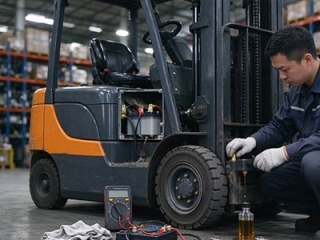 Reliability Of Newnewton Warehouse Forklifts For Heavy-Duty ShiftsWarehouse forklift reliability relies on industrial parts, reinforced frames and factory durability tests. Proper operation and maintenance reduce unexpected downtime.
Do you like ?0
Read more -
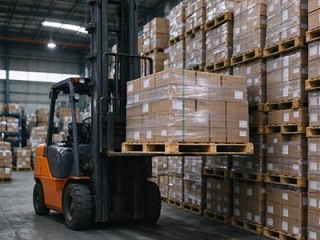 Forklift Configuration Strategy For Dense Warehousing, Warehouse ForkliftDense warehousing needs matched forklifts besides racks. Reach and trilateral stackers fit different layouts, coordinate aisle, load curve and floor for smooth handling.
Do you like ?0
Read more -
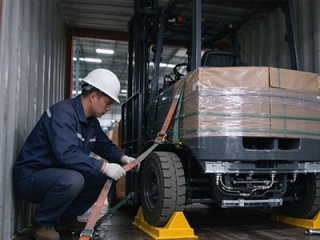 Full Container Supply For Export Forklifts, Forklift ManufacturerBulk forklift orders for overseas can ship by FCL or LCL. Newnewton FCL offers stable freight, safer packing and mixed models for large purchases.
Do you like ?0
Read more -
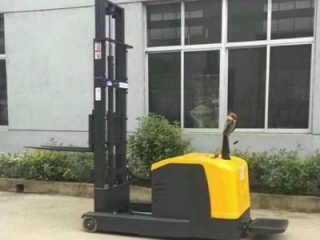 Stand-on Reach Stacker For Narrow Aisle Stacking, Mast Reach StructureStand-on reach stackers feature sliding masts that stay outside racks. They boost storage density in narrow aisles and require flat floors and standard pallets.
Do you like ?0
Read more -
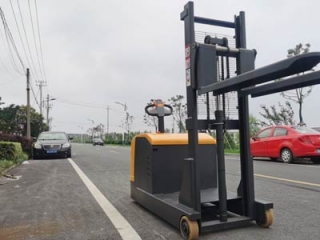 Stand-on Counterbalance Stacker For Various Pallets, Why No Leg RestrictionCounterbalance stackers have no front outriggers, using rear counterweight to avoid pallet interference. They fit various odd pallets yet need wider warehouse aisles.
Do you like ?0
Read more -
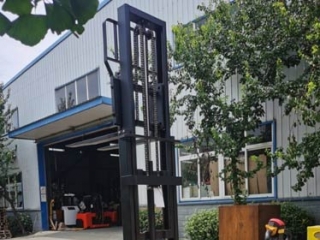 Custom Walk-Behind Counterbalance Stacker | Non-Standard ModificationsStandard walk-behind counterbalance stackers struggle with non-standard pallets and tight aisles. Customize load, lift, forks and structure, share working conditions for safe design.
Do you like ?0
Read more








