How did the drive and control systems of electric forklift develop?
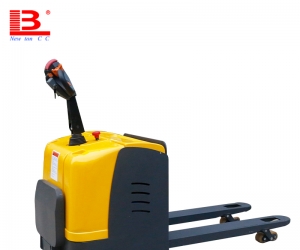
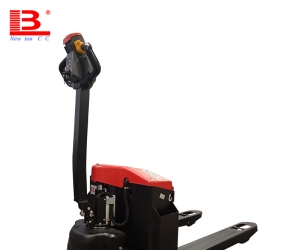
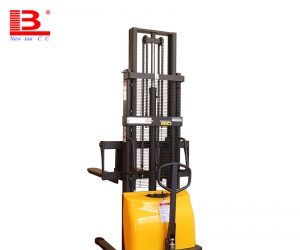
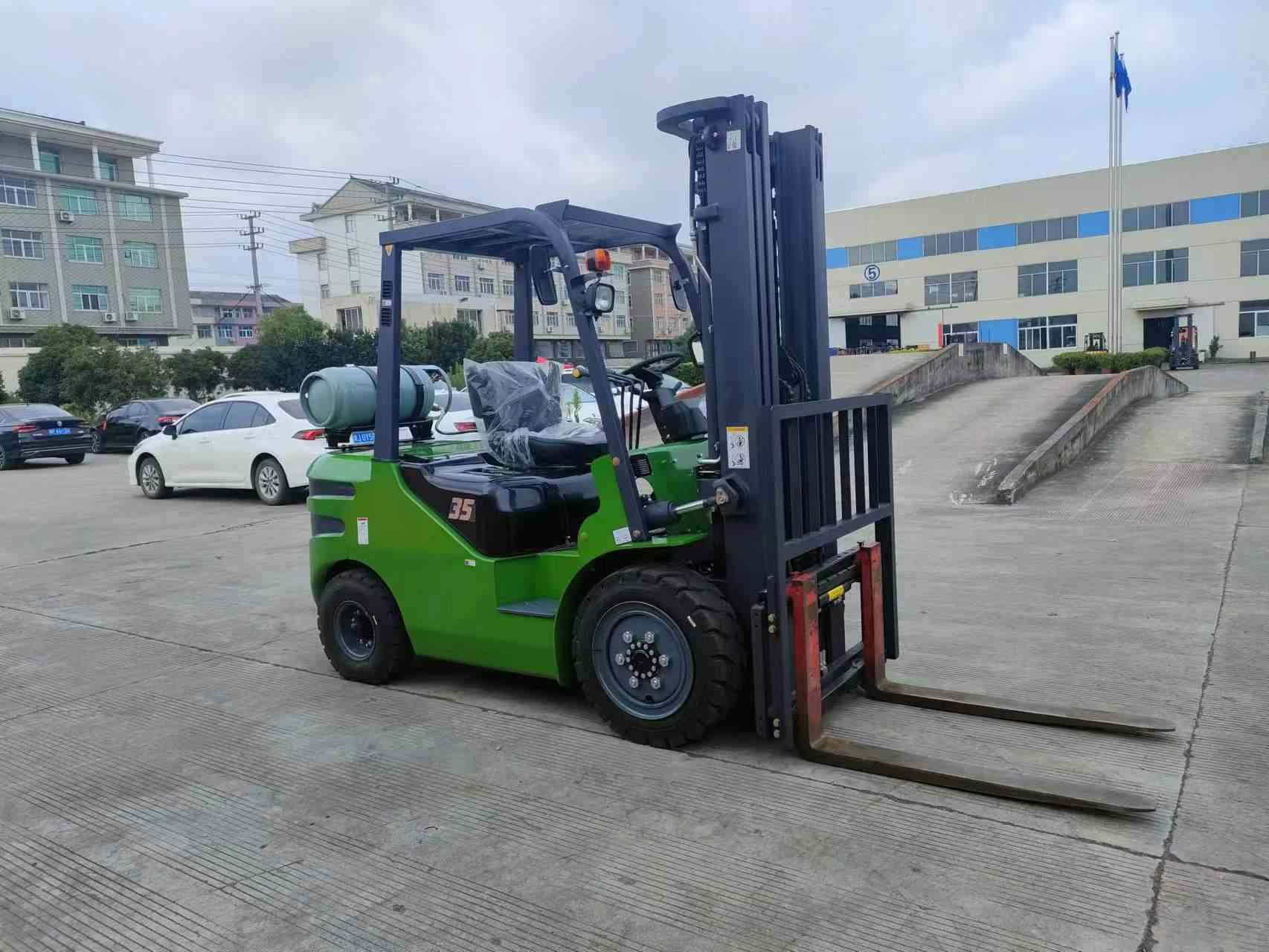
Electric forklift refers to a loading and unloading machine powered by a battery and powered by a motor. Compared with internal combustion forklift trucks, it has the characteristics of no pollution, low noise, easy operation, and is particularly suitable for closed caverns with high temperature and humidity requirements, factories with poor ventilation, and other places with high environmental requirements. The development of electric drive and control systems is basically accompanied by the entire process of the development of electric forklift. In terms of time, it has roughly experienced the following four stages of development. Next, the electric forklift manufacturer will tell you about it.
In the early days of electric forklift, DC excitation motor drive was used, and the speed control of the motor was achieved through coupling resistance, changing the terminal voltage of the battery pack, or changing the magnetic flux of the motor's magnetic field. Currently, there are occasional observations on earlier electric forklift, which are basically obsolete products. In the 1970s, as for the drive and control system of battery handling machinery, electric forklift manufacturer told everyone that in China, the electric machinery used in the early 1980s was a mainstream product. The motor is still driven by series excitation real current, and the control of the motor adopts a thyristor wave generator, but the wave generator control is mainly based on discrete components or a small number of integrated circuits.
Drive and control systems for electric forklift in the 1980s. This generation of electric hauling machines is still driven by DC motors, although thyristor choppers are also used. However, the electric forklift manufacturer tells everyone that it uses a microprocessor to control the retarder, which is connected to an external unit. It can set the load type and performance parameters of the controller, perform fault diagnosis tests on the controller, and introduce a regenerative braking control function.
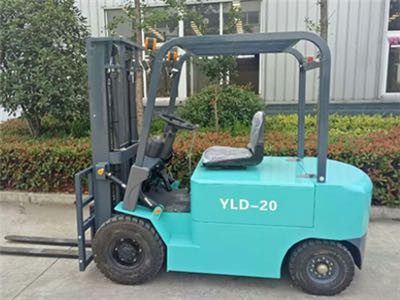
The speed control system of the new generation of electric forklift is a foreign product from the 1990s. MOSFETs, a power semiconductor device with higher operating frequency, are used to form a wave controller for DC motors. Due to the use of MOSFET tubes as variable current control devices, the gradual wave control circuit is simplified, and the voltage drop and heat generation are reduced when the tubes are turned on. Due to the increased operating frequency (which can reach 15kHz or higher), the motor operates more smoothly, and the impact load is reduced. The chopper is controlled using micro processing. In addition to setting performance parameters and achieving control such as regenerative braking, protection functions such as overvoltage, overcurrent, and overheating are also provided, And has a fault self-diagnosis function. The electric forklift manufacturer tells everyone that currently, the new generation of battery powered forklifts are basically equipped with such speed control controllers.
-
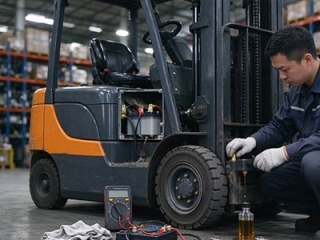 Reliability Of Newnewton Warehouse Forklifts For Heavy-Duty ShiftsWarehouse forklift reliability relies on industrial parts, reinforced frames and factory durability tests. Proper operation and maintenance reduce unexpected downtime.
Do you like ?0
Read more -
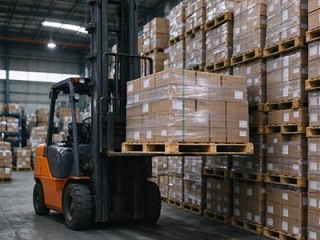 Forklift Configuration Strategy For Dense Warehousing, Warehouse ForkliftDense warehousing needs matched forklifts besides racks. Reach and trilateral stackers fit different layouts, coordinate aisle, load curve and floor for smooth handling.
Do you like ?0
Read more -
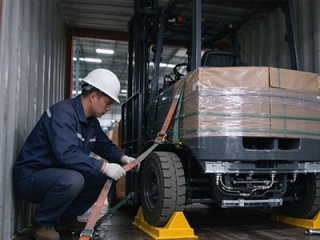 Full Container Supply For Export Forklifts, Forklift ManufacturerBulk forklift orders for overseas can ship by FCL or LCL. Newnewton FCL offers stable freight, safer packing and mixed models for large purchases.
Do you like ?0
Read more -
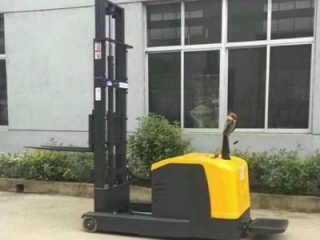 Stand-on Reach Stacker For Narrow Aisle Stacking, Mast Reach StructureStand-on reach stackers feature sliding masts that stay outside racks. They boost storage density in narrow aisles and require flat floors and standard pallets.
Do you like ?0
Read more -
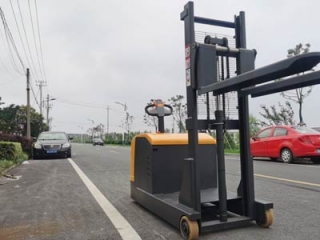 Stand-on Counterbalance Stacker For Various Pallets, Why No Leg RestrictionCounterbalance stackers have no front outriggers, using rear counterweight to avoid pallet interference. They fit various odd pallets yet need wider warehouse aisles.
Do you like ?0
Read more -
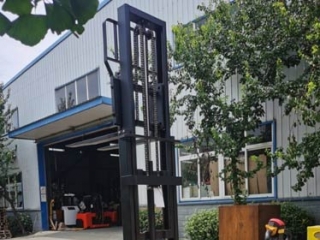 Custom Walk-Behind Counterbalance Stacker | Non-Standard ModificationsStandard walk-behind counterbalance stackers struggle with non-standard pallets and tight aisles. Customize load, lift, forks and structure, share working conditions for safe design.
Do you like ?0
Read more