
What are the common faults of the DC motor of the electric stacker?
The DC motor is an important component of the electric stacker. Although AC motors are very popular, DC motors are still widely used today. The faults of DC motors can be divided into electrical and mechanical faults. Electrical failures mainly occur in the winding, commutator, and brush parts. Mechanical failures mainly occur in the bearing part. Next, the stacker manufacturer will explain in detail what common faults exist on the DC motor of the electric stacker.
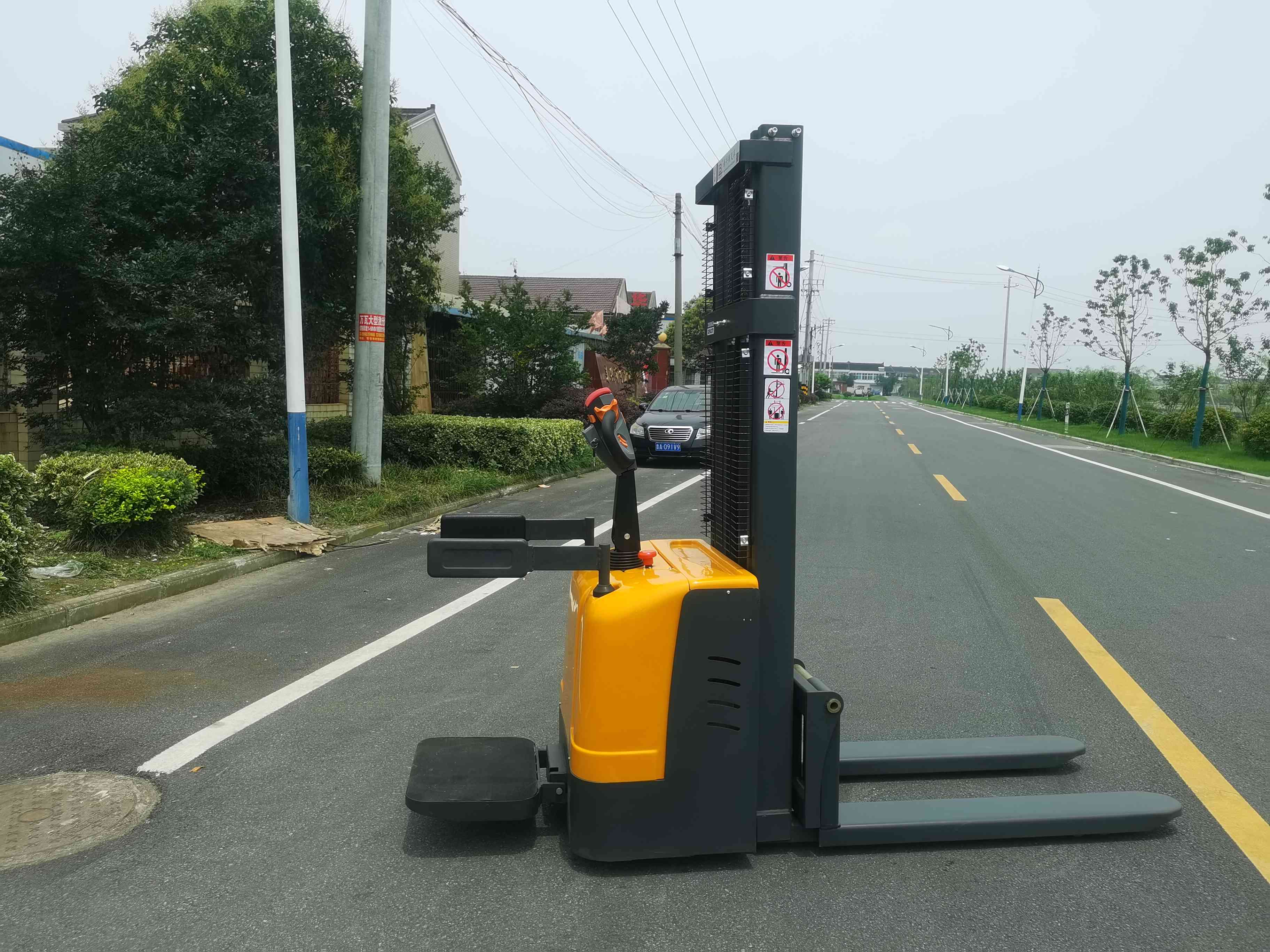
The first common fault is that the motor of the electric stacker cannot rotate. This problem may be caused by the following reasons: the power supply does not have voltage or the power supply is not connected; Poor contact between the brush and the commutator; Due to the excessive size of the brush, there is no contact between the brush and the commutator; There is a short circuit or grounding in the armature winding and excitation winding; Excitation winding wiring error; The bearing is too tight causing the armature to jam or overload. The second common fault is that the brush makes a strange noise. The stacker manufacturer told everyone that this may be due to excessive pressure on the brush spring; The brush texture is too hard; Mica protrusion between commutators; Caused by inconsistent brush size.
The third common fault is that the brush on the motor of the electric stacker produces sparks, causing severe friction between the commutator and the brush and generating severe heat. The reasons for this problem are as follows: the brush position is not correct; Poor contact between the brush and the commutator; The brand and size of the brush are inconsistent; The pressure of the brush spring is too small or too large; The commutator surface is rough and uneven, and the mica between the commutator pieces protrudes; Partial short circuit in armature winding; There is a short circuit between commutators or the commutator is grounded. The fourth common fault is excessive temperature of the motor winding and iron core. The stacker manufacturer told everyone that the possible causes of this problem are as follows: the motor is overloaded; The applied voltage is too high or too low; The motor winding is short circuited or grounded; Poor ventilation and heat dissipation conditions; The motor starts directly or reverses too frequently; Stator, rotor, iron core friction, bearing damage.
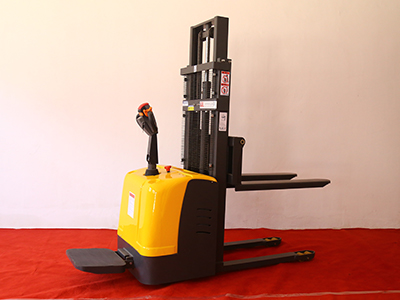
The above are four common faults of the electric stacker motor. Don't panic when encountering problems, just judge the cause and apply the appropriate medicine to the case. If you have purchased a electric stacker from the stacker manufacturer, you can consult the stacker manufacturer if you encounter any problems, and professional after-sales service personnel will be available to resolve them.
-
 Reliability Of Newnewton Warehouse Forklifts For Heavy-Duty ShiftsWarehouse forklift reliability relies on industrial parts, reinforced frames and factory durability tests. Proper operation and maintenance reduce unexpected downtime.
Do you like ?0
Read more -
 Forklift Configuration Strategy For Dense Warehousing, Warehouse ForkliftDense warehousing needs matched forklifts besides racks. Reach and trilateral stackers fit different layouts, coordinate aisle, load curve and floor for smooth handling.
Do you like ?0
Read more -
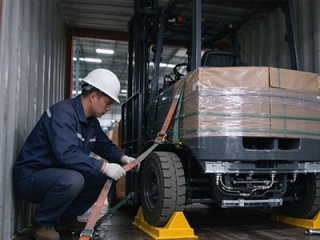 Full Container Supply For Export Forklifts, Forklift ManufacturerBulk forklift orders for overseas can ship by FCL or LCL. Newnewton FCL offers stable freight, safer packing and mixed models for large purchases.
Do you like ?0
Read more -
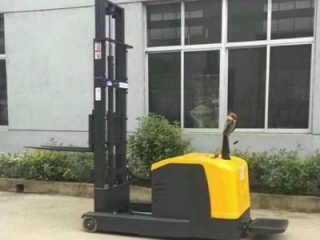 Stand-on Reach Stacker For Narrow Aisle Stacking, Mast Reach StructureStand-on reach stackers feature sliding masts that stay outside racks. They boost storage density in narrow aisles and require flat floors and standard pallets.
Do you like ?0
Read more -
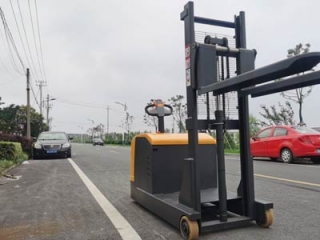 Stand-on Counterbalance Stacker For Various Pallets, Why No Leg RestrictionCounterbalance stackers have no front outriggers, using rear counterweight to avoid pallet interference. They fit various odd pallets yet need wider warehouse aisles.
Do you like ?0
Read more -
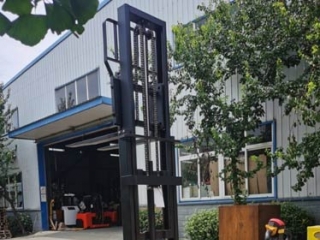 Custom Walk-Behind Counterbalance Stacker | Non-Standard ModificationsStandard walk-behind counterbalance stackers struggle with non-standard pallets and tight aisles. Customize load, lift, forks and structure, share working conditions for safe design.
Do you like ?0
Read more








