
Due to the significant impact of hydraulic oil tanks on the entire hydraulic system of electric forklift, the requirements for oil tanks are generally very strict, and the inspection items usually include the following points. Next, the electric forklift manufacturer will tell you about it.

Firstly, the quality of the hydraulic oil of the electric forklift should be checked, and it is required that it should not be contaminated, there should be no excessive bubbles, and there should be no deterioration or oxidation. Using empirical inspection method, that is, using methods such as "looking, smelling, touching, shaking, and comparing" to determine the degree of oil pollution and decide whether to replace it. Secondly, the quantity of hydraulic oil should be checked, and it is required to keep it between the H and L liquid levels frequently. Generally, by pulling out the oil level gauge of the hydraulic oil tank, the height of the oil level can be understood. If the oil quantity is insufficient, hydraulic oil of the same grade should be added, and other types of hydraulic oil are not allowed to be added. Thirdly, the electric forklift manufacturer tells everyone to check whether the oil suction and return filters, as well as the filter screen at the oil filling port, are damaged, and if the mesh is blocked, the filter screen should be cleaned in a timely manner. If there is any damage, it should be repaired or replaced.
Due to long-term use, there may be various pollutants in the fuel tank of electric forklift. If not removed in a timely manner, it will inevitably have adverse consequences for the normal operation of the hydraulic system. Therefore, the fuel tank should be cleaned in a timely manner, and the specific steps are as follows. Firstly, drain all the oil in the fuel tank and place it in a clean container to prevent contamination. After settling for a certain period of time, some parts can still be used. Secondly, remove the suction pipe, return pipe, air filter, etc., and seal the holes below the top. Thirdly, after injecting sodium hydroxide or sodium sulfate solution for degreasing for 24 hours, carefully clean with a cleaning tool. After cleaning, drain the cleaning solution and rinse with warm water once. Fourthly, soak in a 20% to 30% hydrochloric acid solution for 30 minutes, then carefully clean with a cleaning tool. After draining the solution, rinse it with warm water once. Fifthly, dry with compressed air, reassemble, and inject new hydraulic oil (or use the precipitated part to clean the oil, and then add enough oil). The electric forklift manufacturer tells everyone that if the above conditions are not met, they can be washed with kerosene 2-3 times and then dried with compressed air.

The above are the inspection items, precautions, and cleaning methods for the hydraulic oil tank of electric forklift. The electric forklift manufacturer recommends that forklift workers study carefully.
-
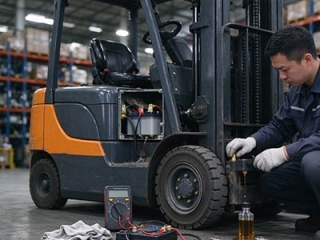 Reliability Of Newnewton Warehouse Forklifts For Heavy-Duty ShiftsWarehouse forklift reliability relies on industrial parts, reinforced frames and factory durability tests. Proper operation and maintenance reduce unexpected downtime.
Do you like ?0
Read more -
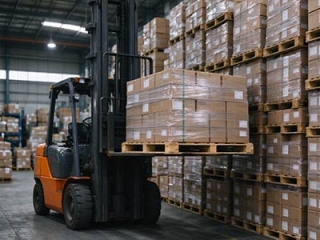 Forklift Configuration Strategy For Dense Warehousing, Warehouse ForkliftDense warehousing needs matched forklifts besides racks. Reach and trilateral stackers fit different layouts, coordinate aisle, load curve and floor for smooth handling.
Do you like ?0
Read more -
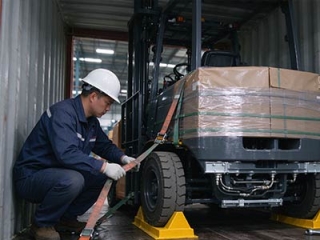 Full Container Supply For Export Forklifts, Forklift ManufacturerBulk forklift orders for overseas can ship by FCL or LCL. Newnewton FCL offers stable freight, safer packing and mixed models for large purchases.
Do you like ?0
Read more -
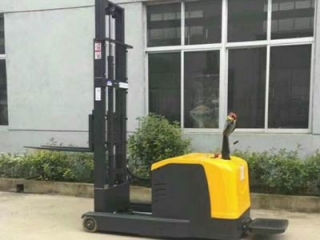 Stand-on Reach Stacker For Narrow Aisle Stacking, Mast Reach StructureStand-on reach stackers feature sliding masts that stay outside racks. They boost storage density in narrow aisles and require flat floors and standard pallets.
Do you like ?0
Read more -
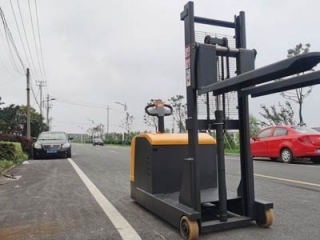 Stand-on Counterbalance Stacker For Various Pallets, Why No Leg RestrictionCounterbalance stackers have no front outriggers, using rear counterweight to avoid pallet interference. They fit various odd pallets yet need wider warehouse aisles.
Do you like ?0
Read more -
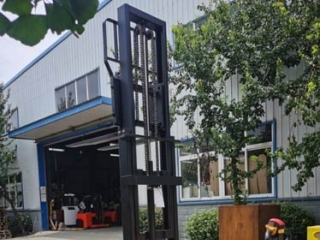 Custom Walk-Behind Counterbalance Stacker | Non-Standard ModificationsStandard walk-behind counterbalance stackers struggle with non-standard pallets and tight aisles. Customize load, lift, forks and structure, share working conditions for safe design.
Do you like ?0
Read more








