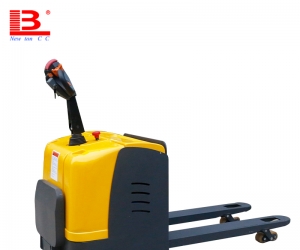
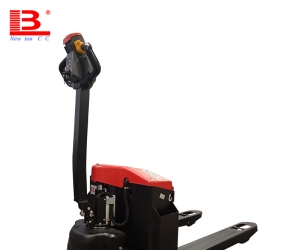
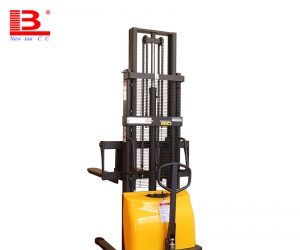
As we all know, forks are very important for electric forklift, which bear the responsibility of lifting, lowering and moving goods to designated positions. Although the fork is very sturdy and durable, it is also prone to problems when working in high strength for a long time. How often should forks of electric forklifts be checked? Now, the electric forklift manufacturer will tell you in detail.

During the use of the electric forklift, the most common problems of the fork are concentrated in the lower part of its vertical section, near the elbow, and the vertical part of the upper end of the fork vertical section and the upper hook weld. These parts are easy to break. If the driver of the electric forklift often operates in violation of regulations and lifts the goods on the ground by using the fork on one side alone, it may lead to bending and deformation of the fork or the fork tip, and in serious cases, it may lead to the problem of breaking the root of the vertical section of the fork, which not only increases the use cost, but also affects the normal work. The electric forklift manufacturer told us that non-standard operation must not occur.
How often should forks of electric forklift be checked? According to Chinese national standards, forks should be inspected once a year. If the electric forklift is used in places with poor conditions, more frequent inspections should be carried out to see if the fork is damaged or deformed, and technical measures should be taken in time to eliminate potential safety hazards. The inspection of forks should preferably be carried out by professionals. The electric forklift manufacturer reminds that once the fork of the electric forklift fails or deforms, it must be immediately stopped for repair and can only be put into use after strict testing.

How to judge whether the fork performance of electric forklift is good? The surface of a fork with good performance shall be free of cracks, and the welds of all parts shall be free of desoldering. The root angle of the fork shall not be greater than 93 °, and the thickness after wear shall not be less than 90% of the original size. The height of the left and right fork tips shall not exceed 3% of the length of the fork horizontal section. The fork positioning shall be reliable. The bearing surface and positioning surface of the fork hook shall be free of obvious defects. The electric forklift manufacturer told us that the coordination between the fork and the accessory frame should not be too large, and the movement must be stable and smooth.
-
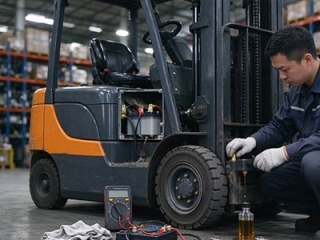 Reliability Of Newnewton Warehouse Forklifts For Heavy-Duty ShiftsWarehouse forklift reliability relies on industrial parts, reinforced frames and factory durability tests. Proper operation and maintenance reduce unexpected downtime.
Do you like ?0
Read more -
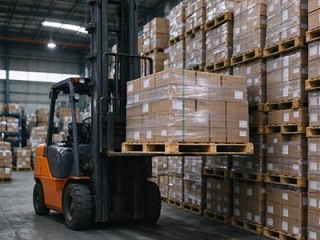 Forklift Configuration Strategy For Dense Warehousing, Warehouse ForkliftDense warehousing needs matched forklifts besides racks. Reach and trilateral stackers fit different layouts, coordinate aisle, load curve and floor for smooth handling.
Do you like ?0
Read more -
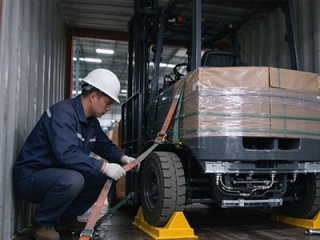 Full Container Supply For Export Forklifts, Forklift ManufacturerBulk forklift orders for overseas can ship by FCL or LCL. Newnewton FCL offers stable freight, safer packing and mixed models for large purchases.
Do you like ?0
Read more -
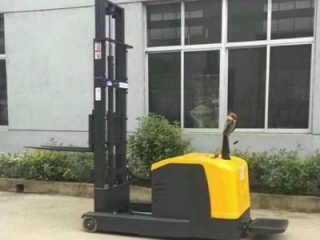 Stand-on Reach Stacker For Narrow Aisle Stacking, Mast Reach StructureStand-on reach stackers feature sliding masts that stay outside racks. They boost storage density in narrow aisles and require flat floors and standard pallets.
Do you like ?0
Read more -
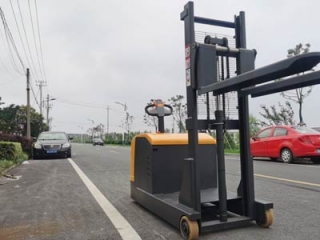 Stand-on Counterbalance Stacker For Various Pallets, Why No Leg RestrictionCounterbalance stackers have no front outriggers, using rear counterweight to avoid pallet interference. They fit various odd pallets yet need wider warehouse aisles.
Do you like ?0
Read more -
 Custom Walk-Behind Counterbalance Stacker | Non-Standard ModificationsStandard walk-behind counterbalance stackers struggle with non-standard pallets and tight aisles. Customize load, lift, forks and structure, share working conditions for safe design.
Do you like ?0
Read more