
electric forklift manufacturers teach you how to maintain your forklift in bad
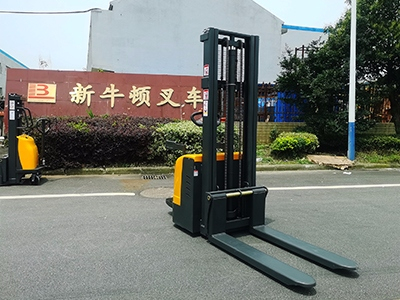
In our daily use of small electric forklifts, we will inevitably encounter severe weather, and extreme weather can easily cause various functional and operational failures of material handling equipment. However, there is a way to break this situation. From cold winters to hot summers, there are many ways we can keep our equipment safe from harsh weather extremes. The following electric forklift manufacturers teach you several ways to maintain forklifts in bad weather.
Park the small electric forklift in a dry area. This is done to prevent oxidation of electronic parts when exposed to moist air, which will slow down rust on the surface of the equipment. The thing to remind here is that the good or bad of this condition will directly affect any vehicle in your fleet, and if you are not careful, it will cause unnecessary property damage, because the electrical system may fail or the important parts will rust.
The issue of cleanliness should be taken seriously. This point is consistent with the above. Not only must the small electric forklift be parked in a dry environment, but attention must also be paid to the cleanliness of the equipment itself. This is to prevent the accumulation of dirt and rust on equipment surfaces that can adversely affect the operation and performance of the equipment. Electric forklift manufacturers believe that the use of suitable rust inhibitors or chemicals to break down the dirt is very beneficial to the daily maintenance of forklifts.
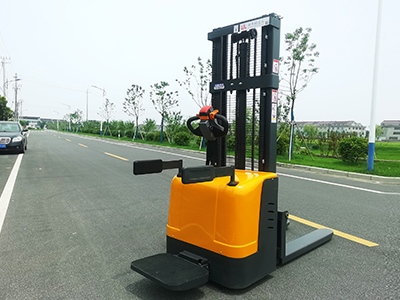
There are requirements for the driver. With the introduction of the small electric forklift simulator, some companies provide drivers with all possible bad weather conditions. In addition, there are corresponding teaching materials. In the future, the teaching materials will be supplemented through comprehensive training seminars, so that novices can master the skills of dealing with severe weather. Warehousing forklift manufacturers believe that it also promotes the practice of drivers to maintain equipment in hazardous conditions.
speed limit. In any case, the main cause of accidents when using a small electric forklift is failure to meet safe speed standards. Electric forklift manufacturers can't deny that when the weather turns bad, even with great driving skills, the chance of an accident increases. Therefore, the more direct way to protect equipment is to reduce the possibility of accidents, and the effective way to reduce the possibility of accidents is to limit the speed, which is also an important part of managing the fleet.
-
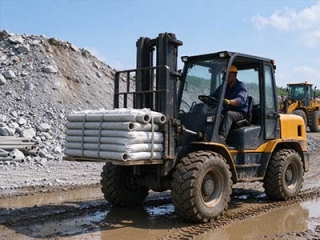 Anti-Slip 2WD Diesel Rough Terrain Forklift for Unpaved GroundRough sites need high-ground-clearance 2WD rough-terrain forklifts. Diesel power prevents slipping and bottoming for outdoor loose ground handling.
Do you like ?0
Read more -
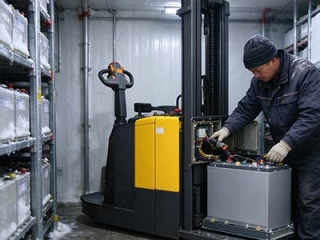 Cold Storage Narrow Aisle Stacker, Direct Supply for Cold Chain WarehousingCold storage narrow aisle stackers come with factory low-temp protection against condensation, better than simple retrofits for frozen food and pharmaceutical cold chains.
Do you like ?0
Read more -
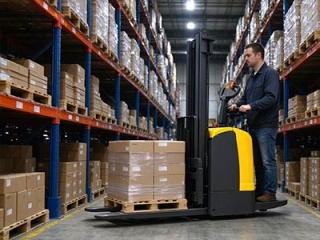 When to Choose Stand-on Electric Double Pallet StackerChoose between double pallet and standard stackers by aisle and load per trip for e-commerce and transfer warehouses to avoid inefficient equipment.
Do you like ?0
Read more -
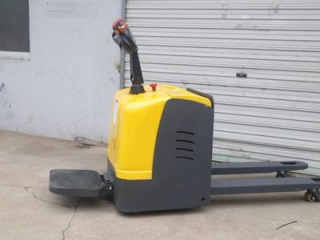 3 Key Parameters to Select Small Stand-on Electric Pallet TruckFor compact stand-on pallet trucks, turning radius, load and battery are core specs. Match aisle, frequency and budget to avoid poor site adaption.
Do you like ?0
Read more -
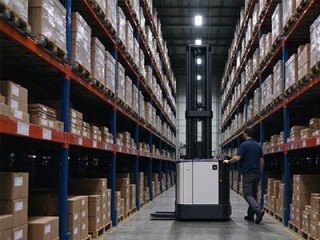 What Aisle Width Is Required for Safe Stacking of Walk-behind StackerWhen choosing walkie stackers, Ast (right-angle stacking aisle) matters more than body width. Differentiate stacking aisle from straight passage and leave extra space.
Do you like ?0
Read more -
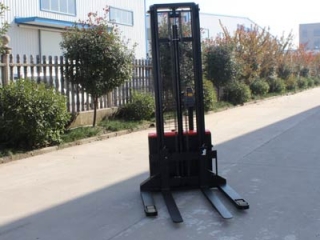 Silent Version Walk-behind Straddle Electric Stacker for Clean WorkshopSilent walkie straddle stackers reduce noise from motor, hydraulics and wheels for quiet workshops in electronics, medical and precision manufacturing.
Do you like ?0
Read more








