
Electric pallet trucks serve as core equipment for efficient cargo transfer in modern warehousing and logistics. Many warehouse managers get confused when choosing between stand-on and walk-behind models. Picking the wrong model will hurt working efficiency and raise operation costs and safety risks. This article explains how to select suitable stand-on vs walk-behind electric pallet truck based on actual demands.
Core differences and applicable scenarios
Walk-behind electric pallet truck Features High flexibility. Compact body and small turning radius make it ideal for narrow aisles, dense racking and limited spaces. Easy operation. Operators can master it quickly without professional training, suitable for temporary or part-time staff. Lower cost. It has relatively low purchase and maintenance expenses.
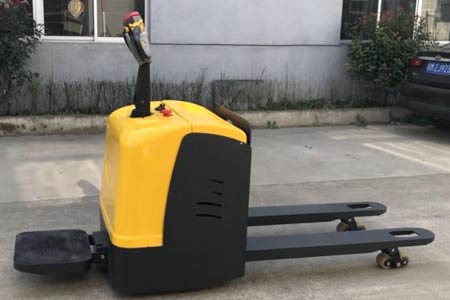
Applicable scenarios Short-distance cargo transfer, such as material handling between workstations in workshops. Small-batch and frequent tasks, including order picking and packing in e-commerce warehouses. Space-restricted environments, like small warehouses, retail stores and loading inside truck cabins.
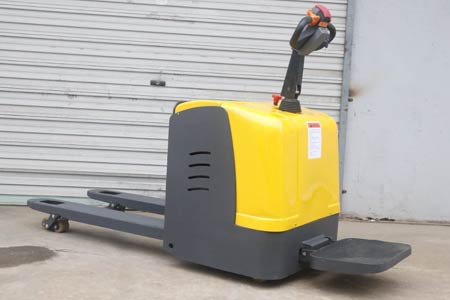
Stand-on electric pallet truck Features Higher efficiency. Operators do not need to walk alongside the truck, saving physical strength for long-distance and high-frequency handling. Better comfort. Equipped with standing platform and handrails to reduce fatigue from long-time walking. Complete functions. It is normally fitted with stronger motors and batteries for better load capacity and longer running time.
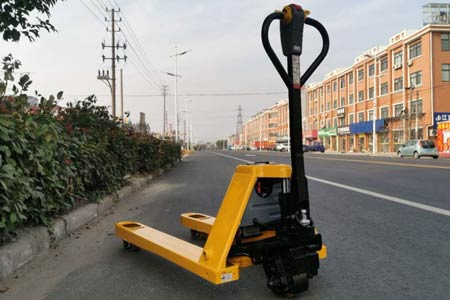
Applicable scenarios Long-distance transfer, such as cross-zone cargo movement in large warehouses and logistics centers. High-frequency operations, including material delivery and finished goods outbound in production workshops. Heavy-load handling for heavy cargo over long travel distances.
Key factors for selection
Travel distance Short distance below 50 meters: walk-behind pallet trucks perform well with outstanding flexibility. Long distance over 50 meters: stand-on warehouse full electric pallet jack greatly improves efficiency and reduces operator fatigue.
Operation frequency Low-frequency intermittent work: walk-behind pallet trucks are cost-effective. High-frequency continuous work: stand-on models maintain stable and high productivity.
Aisle width Narrow aisles below 2 meters: walk-behind trucks benefit from small turning radius. Wide aisles over 2.5 meters: both models work, while stand-on versions show advantages for long-distance travel.
Cargo weight Light load below 1.5 tons: walk-behind pallet trucks can meet requirements. Heavy load over 1.5 tons: stand-on pallet trucks are recommended with motor and structure designed for heavy duty.
Operator arrangement Part-time or temporary operators: walk-behind models are simple and require low training cost. Full-time operators: stand-on warehouse full electric pallet jack improves efficiency and comfort for professional workers.
In summary, walk-behind pallet jack fits short-distance, limited-space and low-frequency tasks. Stand-on warehouse full electric pallet jack works better for long-distance, high-frequency and heavy-load operations. If you have questions or want to arrange an on-site test drive, please contact us for reservation.
-
 Maintenance Notes for Double Pallet Truck Under Heavy Warehouse LoadsOperators often ignore abnormal motor noise of double pallet trucks during rush orders. Continuous operation burns motors. Timely maintenance prevents failures.
Do you like ?0
Read more -
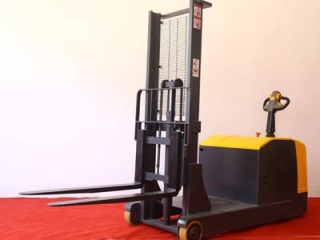 How to Get Accurate Quotations for Stand-on Counterbalance StackerStand-on counterbalance stackers rely on rear weight for stability and cost more. Battery, load, lift height and custom options affect final quotations.
Do you like ?0
Read more -
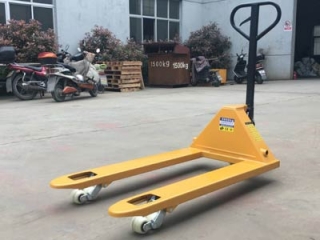 Manual Stacker Vs Pallet Jack: Key Operational Function DifferencesNew buyers confuse manual pallet trucks and manual stackers. They differ in lifting function. Pallet trucks for transfer, stackers for racking to avoid risks.
Do you like ?0
Read more -
 Custom Forklift Dimensions for Export to Fit Narrow Warehouse AislesForklift export faces size risks. Overseas orders may fail door, container or aisle fit. Customization needs balance of gravity, load and target market certifications.
Do you like ?0
Read more -
 Forklift Safety Management Guide Based on Special Equipment SpecificationsForklifts are special equipment. Follow TSG 81 with training, records, inspection and on-site control to prevent accidents and penalties.
Do you like ?0
Read more -
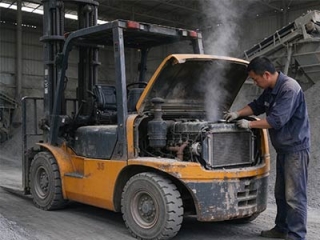 Heavy-Duty Diesel Forklift High Temperature Troubleshooting Guide3.5t diesel forklifts often overheat when handling sand and stone. Inspect cooling system step by step: radiator, belt, shroud, thermostat and water pump.
Do you like ?0
Read more








