Electric Pallet Truck vs Electric Stacker | Warehouse Equipment Selection Guide
What are the differences between electric pallet truck vs electric stacker? Both belong to electric warehouse vehicles, yet they differ greatly in operation positioning, lifting capacity and application scenarios. This article compares their functional gaps and shares selection advice based on warehouse conditions to avoid wrong purchases and budget waste.
Core Function & Structural Differences
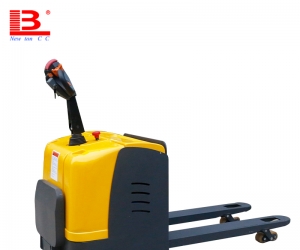
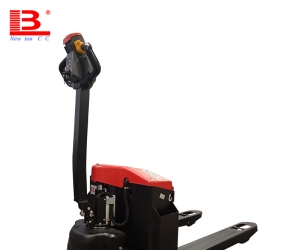
Electric pallet truck: Mainly for horizontal pallet transportation on ground level. It has limited lifting travel, only lifting pallets slightly off the floor for moving, without high‑level stacking capability. Compact, low‑center‑of‑gravity design brings flexible steering and easy operation, ideal for short‑distance cargo delivery inside plants and warehouses.
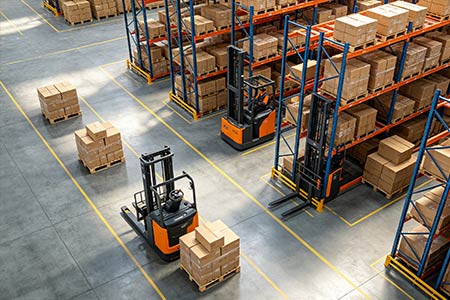
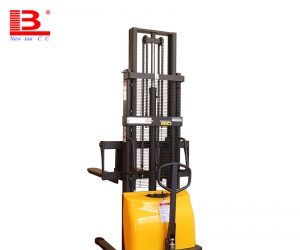
Electric stacker: Equipped with liftable mast. Besides short‑distance transportation, its core function is loading and stacking goods onto racks. Forks can rise several meters high to access racked goods. With lifting assemblies for three‑dimensional storage work, it is standard equipment for multi‑rack warehouses.
Warehouse Application Scenarios
Choose electric pallet truck: No high racks in warehouse, goods only transfer on ground; material delivery for production lines and truck loading‑unloading; no stacking required, pursue high flexibility and controlled procurement budget.
Choose electric stacker: Warehouse installed with multi‑layer racks to expand storage capacity via vertical space; frequent racking, picking and stacking operations; aim to improve space utilization and realize three‑dimensional storage.
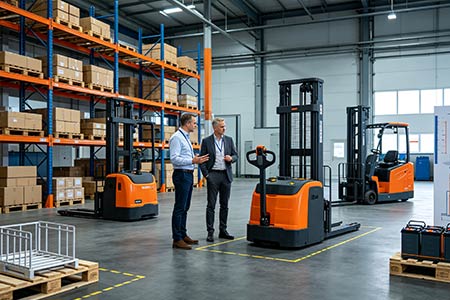
Two critical points for comprehensive evaluation: Check rack‑loading requirements. If rack height exceeds 1.6 m, an electric stacker is mandatory. For ground‑level handling only, electric pallet truck delivers better cost‑performance. Measure actual aisle width. For narrow‑aisle warehouses, pay close attention to vehicle minimum turning radius to prevent turning obstruction.
Evaluate daily handling frequency and battery endurance. For all‑day high‑intensity work, lithium‑battery models are preferred for fast charging. Intermittent operation can adopt lead‑acid batteries to cut initial cost. Always reserve sufficient load safety margin. Long‑term overloading accelerates aging of hydraulic system and motors and shortens equipment service life significantly.
With the comparison of electric pallet truck vs electric stacker, you can master warehouse equipment selection methods and pick well‑fitted and cost‑effective material‑handling equipment.
-
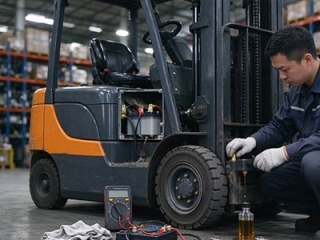 Reliability Of Newnewton Warehouse Forklifts For Heavy-Duty ShiftsWarehouse forklift reliability relies on industrial parts, reinforced frames and factory durability tests. Proper operation and maintenance reduce unexpected downtime.
Do you like ?0
Read more -
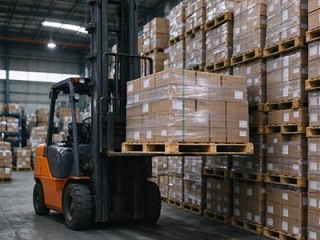 Forklift Configuration Strategy For Dense Warehousing, Warehouse ForkliftDense warehousing needs matched forklifts besides racks. Reach and trilateral stackers fit different layouts, coordinate aisle, load curve and floor for smooth handling.
Do you like ?0
Read more -
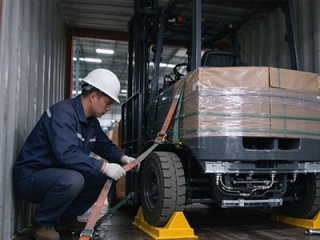 Full Container Supply For Export Forklifts, Forklift ManufacturerBulk forklift orders for overseas can ship by FCL or LCL. Newnewton FCL offers stable freight, safer packing and mixed models for large purchases.
Do you like ?0
Read more -
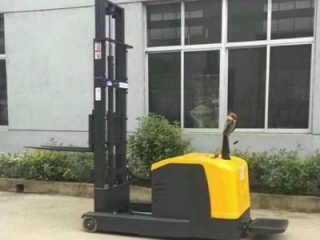 Stand-on Reach Stacker For Narrow Aisle Stacking, Mast Reach StructureStand-on reach stackers feature sliding masts that stay outside racks. They boost storage density in narrow aisles and require flat floors and standard pallets.
Do you like ?0
Read more -
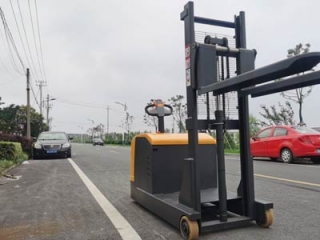 Stand-on Counterbalance Stacker For Various Pallets, Why No Leg RestrictionCounterbalance stackers have no front outriggers, using rear counterweight to avoid pallet interference. They fit various odd pallets yet need wider warehouse aisles.
Do you like ?0
Read more -
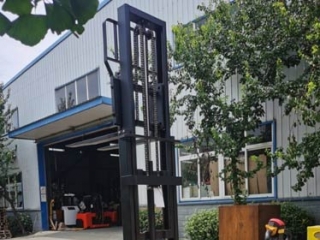 Custom Walk-Behind Counterbalance Stacker | Non-Standard ModificationsStandard walk-behind counterbalance stackers struggle with non-standard pallets and tight aisles. Customize load, lift, forks and structure, share working conditions for safe design.
Do you like ?0
Read more