
Many buyers notice huge price gaps for models with the same load capacity and lifting height when comparing quotations of electric warehouse stacker. The gaps mainly come from differences in materials, configurations and workmanship. Follow these checks to find a reliable warehouse stacker source factory and avoid middlemen.
Verify production qualifications and independent capacity. Real source factories own workshops, assembly lines and testing stations instead of simple drop-shipping. Manufacturers with in-house mast processing and assembly deliver stable quality. Resellers without production capacity usually provide slow after-sales support.
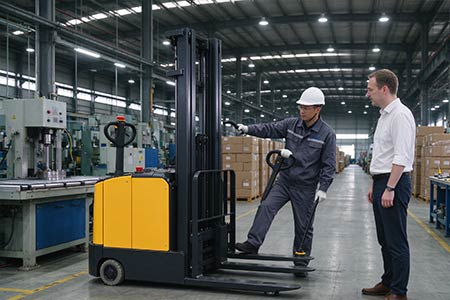
Compare core configurations to understand price differences. Low-cost versions often adopt thin mast steel, inferior hydraulic parts and ordinary motors. Underrated battery capacity and thin wiring are also common hidden cuts. Such machines may work fine at first, but suffer weak lifting, oil leakage and fast battery degradation under long-time heavy use. Trustworthy factories list clear brands and parameters of motors, hydraulic power units, batteries and controllers.
Check supporting services and customization capability. Warehouses vary in aisle width, pallet type and stacking height. Some need legless counterbalance models while others suit narrow aisle reach stackers. Source factories can adjust fork size and mast height, accept OEM orders and provide CE certification for export. Sufficient spare parts stock shortens maintenance waiting time and reduces downtime losses. Middlemen mostly only supply standard stock items with limited customization.
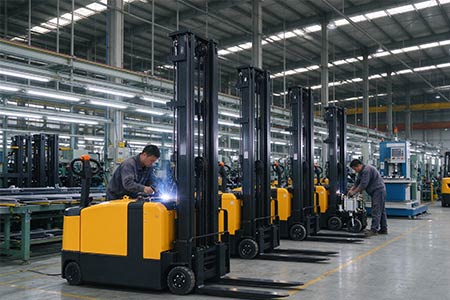
Ask for factory visit and trial operation. Formal manufacturers welcome on-site inspection for production flow, finished goods and factory tests. You can test driving and lifting smoothness, and check the responsiveness of brakes and emergency stops. Be cautious if the seller keeps refusing factory visits and machine trials.
Evaluate quotations comprehensively instead of chasing the lowest price. Reasonable prices cover raw material cost, factory inspection, warranty and after-sales service. Ultra-low quotations usually cut corners on warranty and component quality. Pick suppliers with clear quotation breakdown and definite warranty terms.
As a professional warehouse stacker source factory, we provide all the above services to meet demands of small and medium warehouses. Feel free to contact us for more information.
-
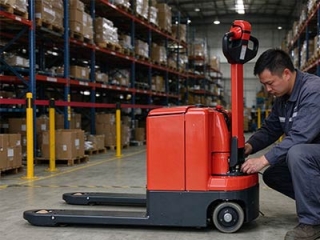 Maintenance Notes for Double Pallet Truck Under Heavy Warehouse LoadsOperators often ignore abnormal motor noise of double pallet trucks during rush orders. Continuous operation burns motors. Timely maintenance prevents failures.
Do you like ?0
Read more -
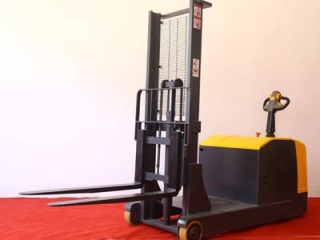 How to Get Accurate Quotations for Stand-on Counterbalance StackerStand-on counterbalance stackers rely on rear weight for stability and cost more. Battery, load, lift height and custom options affect final quotations.
Do you like ?0
Read more -
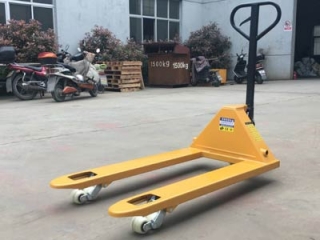 Manual Stacker Vs Pallet Jack: Key Operational Function DifferencesNew buyers confuse manual pallet trucks and manual stackers. They differ in lifting function. Pallet trucks for transfer, stackers for racking to avoid risks.
Do you like ?0
Read more -
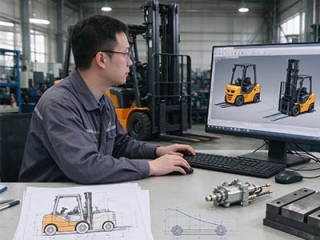 Custom Forklift Dimensions for Export to Fit Narrow Warehouse AislesForklift export faces size risks. Overseas orders may fail door, container or aisle fit. Customization needs balance of gravity, load and target market certifications.
Do you like ?0
Read more -
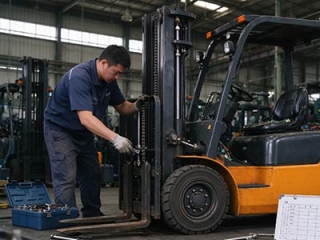 Forklift Safety Management Guide Based on Special Equipment SpecificationsForklifts are special equipment. Follow TSG 81 with training, records, inspection and on-site control to prevent accidents and penalties.
Do you like ?0
Read more -
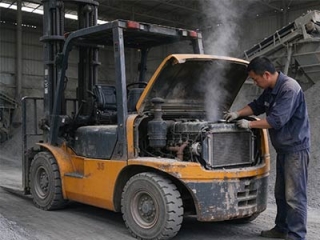 Heavy-Duty Diesel Forklift High Temperature Troubleshooting Guide3.5t diesel forklifts often overheat when handling sand and stone. Inspect cooling system step by step: radiator, belt, shroud, thermostat and water pump.
Do you like ?0
Read more








