
What cost-effective electric stacker have you missed these years?
Electric stacker trucks are generally used for cargo stacking, loading and unloading, short-distance handling, and electric stacker trucks as one of the necessary equipment for future logistics storage management and operation. How to choose a electric stacker suitable for us?Electric stackers and all-electric stacker forklift have high efficiency and high price; hand trucks have slow lifting speed and low efficiency, but the price is relatively low. How do we choose the most cost-effective stacker for us based on our usage?
At present, China's stacker market is divided into three categories, namely manual trucks, semi electric stacker, and full electric stacker forklift . On the surface, they have their own advantages. What factors should we consider when choosing? Let's first take a look at the features of these three manual and electric stacker and trucks. Hand truck, pull by hand. The disadvantages are: manual pressure rise, slower lifting speed, lower work efficiency; advantage is: the price is relatively low, the space required for stacker work is relatively small, easy to maintain, no need to charge.
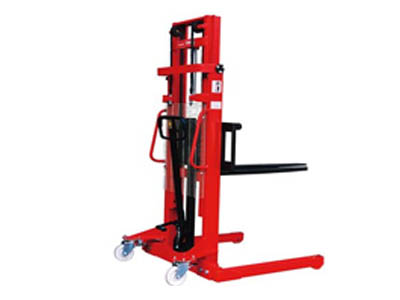
Semi electric stacker, electric lifting, manual pulling, its working efficiency is higher than manual truck, its advantage is:electric stacker electric lifting increases the speed of cargo lifting and improves work efficiency; semi electric stacker disadvantage is: price is better than manual truck Slightly higher, the semi electric stacker has an electric control board and a battery. Product maintenance is difficult and it needs to be charged from time to time.

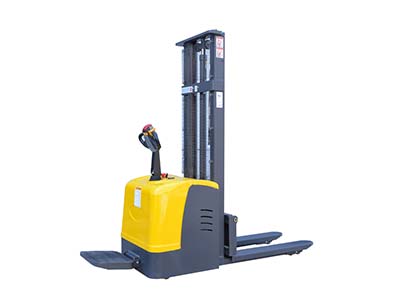
Full electric stacker, electric lifting, electric walking, the working efficiency is the highest among the three-speed equipment. Full electric stacker its advantages are: electric lifting electric walking, high working efficiency; full electric stacker disadvantages are: maintenance is difficult, product failure, high maintenance cost The price is relatively high, and it needs to be recharged frequently, and working hours are limited.We understand their characteristics. We need to determine which stacker we need to choose based on how often we use the stacker, the size of the workplace, the budget, and the distance of the repair point.
-
 Reliability Of Newnewton Warehouse Forklifts For Heavy-Duty ShiftsWarehouse forklift reliability relies on industrial parts, reinforced frames and factory durability tests. Proper operation and maintenance reduce unexpected downtime.
Do you like ?0
Read more -
 Forklift Configuration Strategy For Dense Warehousing, Warehouse ForkliftDense warehousing needs matched forklifts besides racks. Reach and trilateral stackers fit different layouts, coordinate aisle, load curve and floor for smooth handling.
Do you like ?0
Read more -
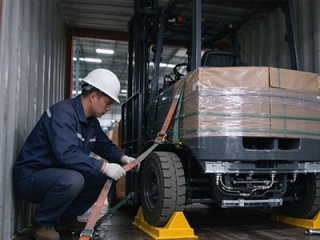 Full Container Supply For Export Forklifts, Forklift ManufacturerBulk forklift orders for overseas can ship by FCL or LCL. Newnewton FCL offers stable freight, safer packing and mixed models for large purchases.
Do you like ?0
Read more -
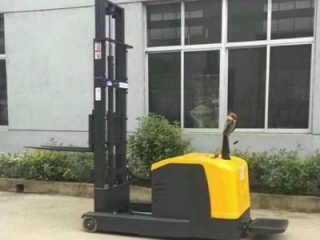 Stand-on Reach Stacker For Narrow Aisle Stacking, Mast Reach StructureStand-on reach stackers feature sliding masts that stay outside racks. They boost storage density in narrow aisles and require flat floors and standard pallets.
Do you like ?0
Read more -
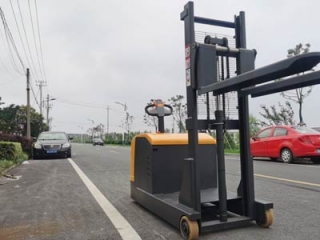 Stand-on Counterbalance Stacker For Various Pallets, Why No Leg RestrictionCounterbalance stackers have no front outriggers, using rear counterweight to avoid pallet interference. They fit various odd pallets yet need wider warehouse aisles.
Do you like ?0
Read more -
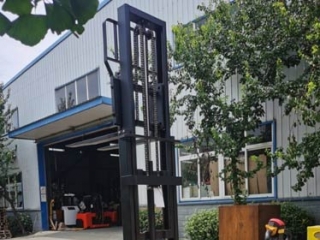 Custom Walk-Behind Counterbalance Stacker | Non-Standard ModificationsStandard walk-behind counterbalance stackers struggle with non-standard pallets and tight aisles. Customize load, lift, forks and structure, share working conditions for safe design.
Do you like ?0
Read more








