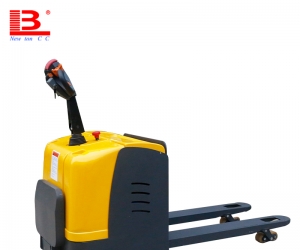
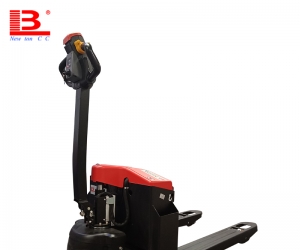
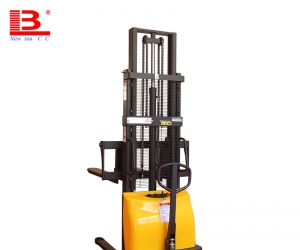
Electric order picker vs manual order picker, warehouse order picker
Warehouse picking is a high-frequency core operation in e-commerce and logistics warehouses. The selection of order pickers directly affects the overall shipment efficiency. Many enterprises are confused about choosing an electric order picker or manual order picker. The electric order picker and manual order picker comparison covers five core dimensions to help warehouse purchasers make fast and accurate selection.
Operation efficiency comparison The manual order picker relies entirely on manpower for pushing, pulling and lifting. Its operation speed is slow, and the efficiency is low during long-distance and high-frequency picking. It is only suitable for warehouses with small order volume. The electric order picker adopts electric driving and electric lifting. Operators do not need to push and pull with effort. It maintains stable travelling speed, shortens the picking turnover time, and fits large-batch and high-flow warehouse operations.
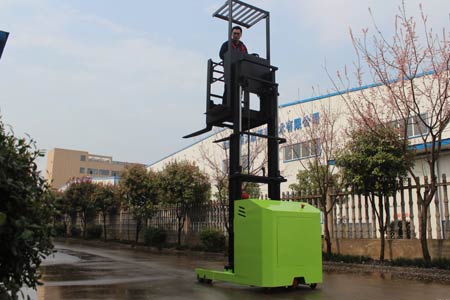
Labor load comparison The manual model is fully manually operated. Long-time pushing, pulling and lifting of goods consume much physical strength of workers. Continuous operation easily leads to fatigue and increases the probability of picking errors. The electric model supports one-key control of lifting and travelling, which saves labor, effectively reduces labor intensity and relieves fatigue caused by long-time picking.
Applicable scenario comparison The manual order picker has a compact size and flexible operation without charging requirement. It is suitable for small warehouses, narrow aisles and low-frequency replenishment scenarios. The electric order picker features stable battery life and stronger working capacity. It is widely used in large e-commerce warehouses, logistics transfer warehouses and high rack warehouses to adapt to high-intensity and long-distance regular picking operations.
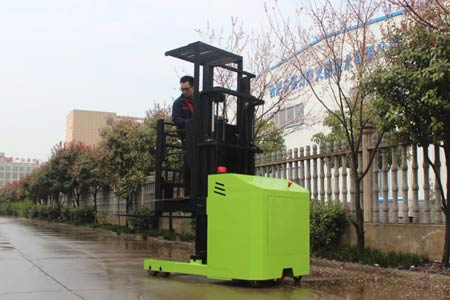
Purchase and maintenance cost The manual order picker has a low purchase price, no power consumption and simple structure with few daily maintenance items, so the upfront investment cost is very low. The electric order picker has a higher purchase cost and requires regular charging and battery maintenance. However, it has a longer service life and can save labor costs in the long run, delivering better comprehensive cost performance for mass picking scenarios.
Operation safety For the manual order picker, operators control thrust manually. It is easy to slip and get out of control when pushing heavy loads, bringing certain operation risks. The electric order picker is equipped with safety functions such as slow travelling, emergency stop and overload protection. It runs smoothly and reduces safety accidents caused by manual operation errors.
In short, manual order pickers are more cost-effective for small warehouses with low frequency of use. For large warehouses with high order flow, electric order pickers are preferred to improve picking efficiency. If you have bulk purchasing demands, you can contact the original manufacturer to get matching solutions and detailed quotations for warehouse order picker.
-
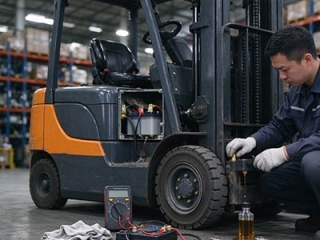 Reliability Of Newnewton Warehouse Forklifts For Heavy-Duty ShiftsWarehouse forklift reliability relies on industrial parts, reinforced frames and factory durability tests. Proper operation and maintenance reduce unexpected downtime.
Do you like ?0
Read more -
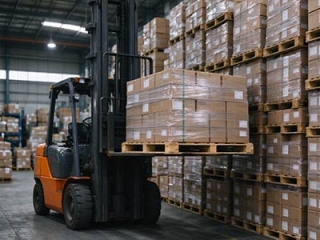 Forklift Configuration Strategy For Dense Warehousing, Warehouse ForkliftDense warehousing needs matched forklifts besides racks. Reach and trilateral stackers fit different layouts, coordinate aisle, load curve and floor for smooth handling.
Do you like ?0
Read more -
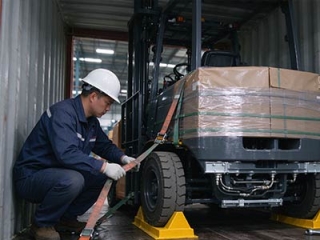 Full Container Supply For Export Forklifts, Forklift ManufacturerBulk forklift orders for overseas can ship by FCL or LCL. Newnewton FCL offers stable freight, safer packing and mixed models for large purchases.
Do you like ?0
Read more -
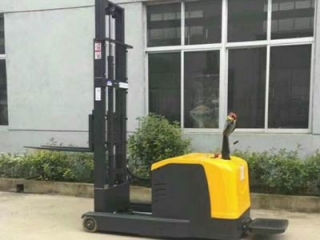 Stand-on Reach Stacker For Narrow Aisle Stacking, Mast Reach StructureStand-on reach stackers feature sliding masts that stay outside racks. They boost storage density in narrow aisles and require flat floors and standard pallets.
Do you like ?0
Read more -
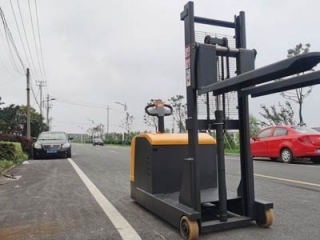 Stand-on Counterbalance Stacker For Various Pallets, Why No Leg RestrictionCounterbalance stackers have no front outriggers, using rear counterweight to avoid pallet interference. They fit various odd pallets yet need wider warehouse aisles.
Do you like ?0
Read more -
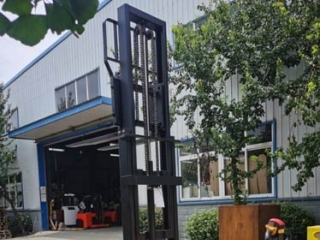 Custom Walk-Behind Counterbalance Stacker | Non-Standard ModificationsStandard walk-behind counterbalance stackers struggle with non-standard pallets and tight aisles. Customize load, lift, forks and structure, share working conditions for safe design.
Do you like ?0
Read more