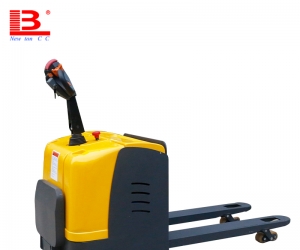
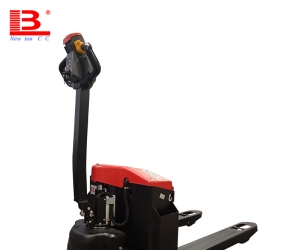
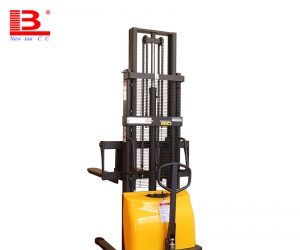
I believe all friends who are ready to buy forklifts know that forklift is also divided into many types. The common one is internal combustion forklift, and electric forklift that has emerged in recent years. However, when we browse the flagship store and official website of the forklift manufacturer, we will find that the forklift is also divided into many different types, such as gradall forklift, counterbalance forklift, reach forklift, etc. This makes many friends confused and do not know how to choose. Next, the forklift manufacturer will explain the types of forklifts.
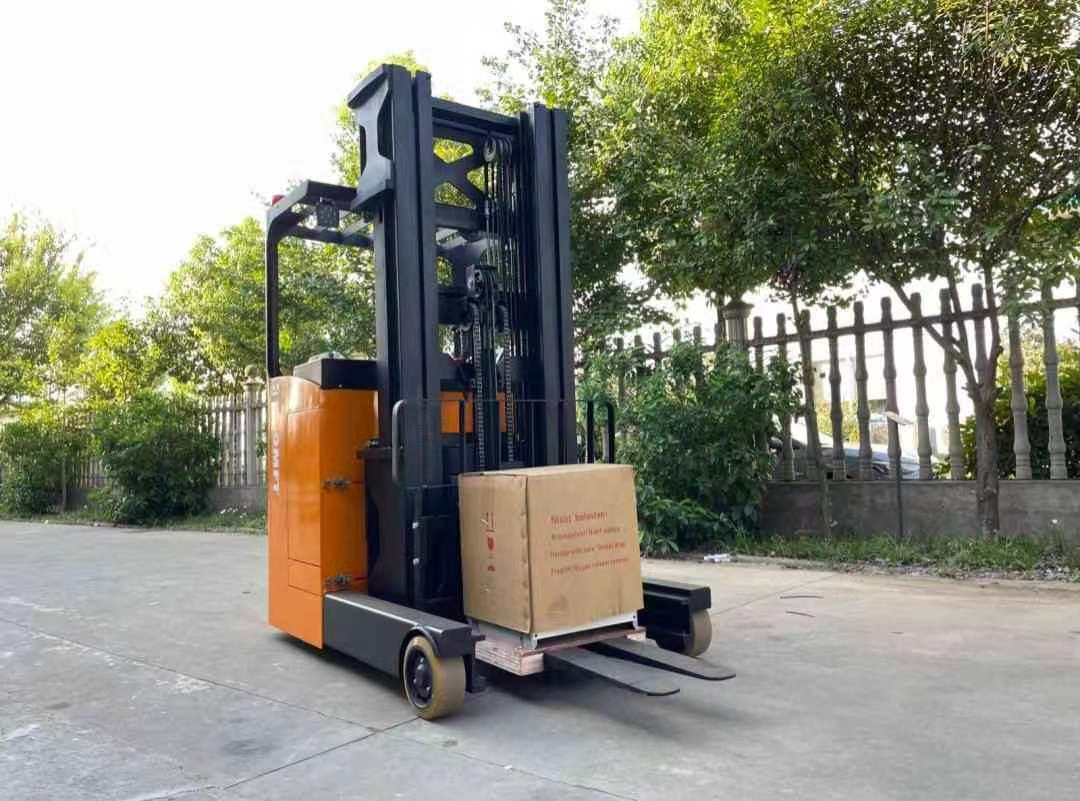
There are many ways to classify forklift. The common classification method is to classify them according to power source, transmission mode, application, walking mode and structural form. Among them, our most common method is to classify according to the power source. According to the classification of power sources, forklift can be divided into three categories: internal combustion forklifts, electric forklifts and manual forklifts. Internal combustion forklift is a very traditional forklift. It has strong power, fast driving speed and strong climbing ability. Its load is usually 1.2~8.0 tons. However, it has disadvantages such as loud noise, environmental pollution, and difficult maintenance. The electric forklift conforms to the development of the times and makes up for the shortcomings of the internal combustion forklift. It is environmentally friendly, low noise, flexible, easy to operate and maintain. But it is not perfect. It needs a lot of time to recharge, requires more sophisticated maintenance, and has higher requirements for the working environment. The manual forklift is a primitive forklift, which is relatively labor-intensive and suitable for some simple handling and stacking work. The forklift manufacturer told us that one of its great advantages is that the price is very low.
Forklift can be classified into four types according to the transmission mode: mechanical transmission, hydraulic transmission, full hydraulic transmission and electric transmission. Forklift can be classified into explosion-proof forklifts, multi-directional walking forklifts, rough terrain forklifts, container walking cranes, military industrial vehicles, vehicle-mounted forklifts and driverless forklifts according to the applications. Forklift can be divided into electric pallet stacker, side forklift, fixed platform carrier, container front crane and three-way stacker forklift according to the walking mode. Forklift manufacturer tells us that, according to the classification of structural forms, forklift can be divided into counterweight type forklifts, plug-in type forklifts, gantry forward type forklifts, picking type forklifts, fork frame forward type forklifts, off-road forklifts, side type forklifts and telescopic boom type forklifts.

The above are several common classification methods of forklift. As you can see, there are various types of forklift, which are applicable to different industries, different uses and different scenarios. How to choose? You can consult the forklift manufacturer, and we will have professional sales personnel to answer for you.
-
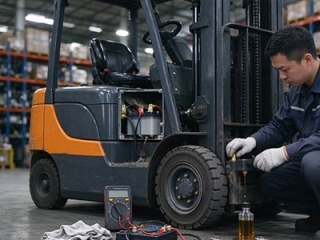 Reliability Of Newnewton Warehouse Forklifts For Heavy-Duty ShiftsWarehouse forklift reliability relies on industrial parts, reinforced frames and factory durability tests. Proper operation and maintenance reduce unexpected downtime.
Do you like ?0
Read more -
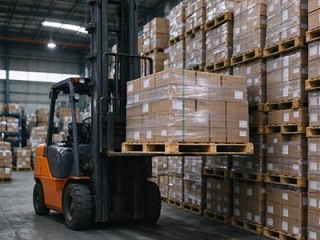 Forklift Configuration Strategy For Dense Warehousing, Warehouse ForkliftDense warehousing needs matched forklifts besides racks. Reach and trilateral stackers fit different layouts, coordinate aisle, load curve and floor for smooth handling.
Do you like ?0
Read more -
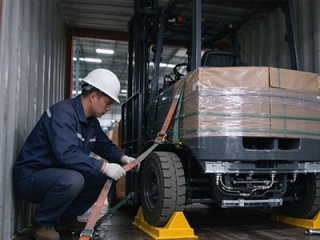 Full Container Supply For Export Forklifts, Forklift ManufacturerBulk forklift orders for overseas can ship by FCL or LCL. Newnewton FCL offers stable freight, safer packing and mixed models for large purchases.
Do you like ?0
Read more -
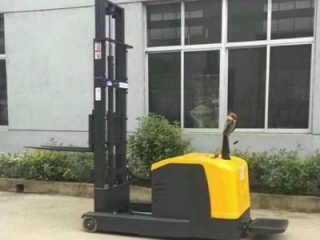 Stand-on Reach Stacker For Narrow Aisle Stacking, Mast Reach StructureStand-on reach stackers feature sliding masts that stay outside racks. They boost storage density in narrow aisles and require flat floors and standard pallets.
Do you like ?0
Read more -
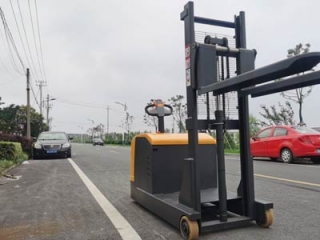 Stand-on Counterbalance Stacker For Various Pallets, Why No Leg RestrictionCounterbalance stackers have no front outriggers, using rear counterweight to avoid pallet interference. They fit various odd pallets yet need wider warehouse aisles.
Do you like ?0
Read more -
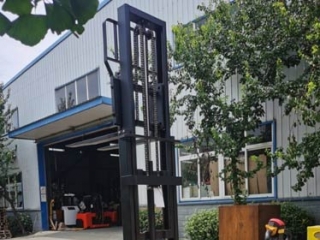 Custom Walk-Behind Counterbalance Stacker | Non-Standard ModificationsStandard walk-behind counterbalance stackers struggle with non-standard pallets and tight aisles. Customize load, lift, forks and structure, share working conditions for safe design.
Do you like ?0
Read more