
Internal combustion forklifts suffer higher failure rates when temperature drops. Problems such as hard starting, unstable idle speed and frozen fuel lines may interrupt factory work and damage the engine. Master these internal combustion forklift winter maintenance tips to cut breakdown risks.
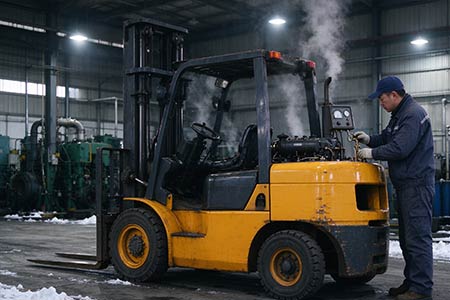
Start with the fuel system. Select diesel grade matching local minimum temperature to avoid wax precipitation blocking filters and pipelines. Drain water from the water-oil separator regularly, because frozen water will cut off fuel supply. Replace aged diesel filters before winter to keep smooth oil delivery.
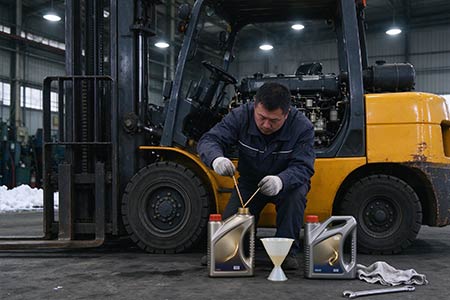
High-viscosity engine oil used in summer turns thick in cold weather and increases starting resistance. Switch to winter-grade engine oil following manufacturer instructions and check oil level. Low oil level accelerates engine wear. Evaluate gear oil and hydraulic oil and change low-temperature types if needed, to keep steering and lifting moving smoothly.
Batteries need special inspection in winter, as low temperature reduces battery capacity. Clean oxidation on terminals and fasten connectors to avoid poor contact. Do not store the battery under low power for a long time. Replace heavily aged batteries in advance. Remove the battery and store it in a warm place if the forklift will stay idle for a long period.
Check air intake, preheating devices and cooling system. Test glow plugs to ensure normal preheating function. Clean or replace clogged air filters. Confirm antifreeze freezing point fits local weather and keep proper liquid level. Never use pure water which may crack the water tank. Inspect hoses for aging and leakage.
Develop good operating habits. Do not rev up or load heavily right after cold start. Allow idle preheating until oil lubricates all parts. Clean debris and check for fluid leakage after each shift. Avoid repeated long cranking. Stop cranking and troubleshoot if startup fails, to protect the starter motor.
Routine IC forklift maintenance effectively reduces failure rate and long-term repair cost. Contact us if you have more questions about forklift service.
-
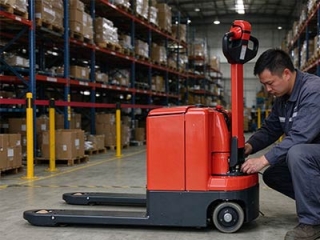 Maintenance Notes for Double Pallet Truck Under Heavy Warehouse LoadsOperators often ignore abnormal motor noise of double pallet trucks during rush orders. Continuous operation burns motors. Timely maintenance prevents failures.
Do you like ?0
Read more -
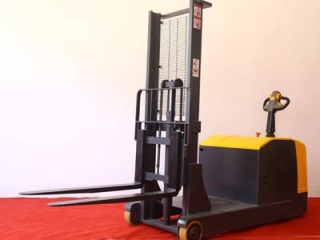 How to Get Accurate Quotations for Stand-on Counterbalance StackerStand-on counterbalance stackers rely on rear weight for stability and cost more. Battery, load, lift height and custom options affect final quotations.
Do you like ?0
Read more -
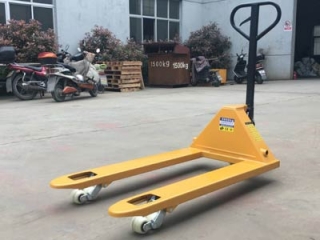 Manual Stacker Vs Pallet Jack: Key Operational Function DifferencesNew buyers confuse manual pallet trucks and manual stackers. They differ in lifting function. Pallet trucks for transfer, stackers for racking to avoid risks.
Do you like ?0
Read more -
 Custom Forklift Dimensions for Export to Fit Narrow Warehouse AislesForklift export faces size risks. Overseas orders may fail door, container or aisle fit. Customization needs balance of gravity, load and target market certifications.
Do you like ?0
Read more -
 Forklift Safety Management Guide Based on Special Equipment SpecificationsForklifts are special equipment. Follow TSG 81 with training, records, inspection and on-site control to prevent accidents and penalties.
Do you like ?0
Read more -
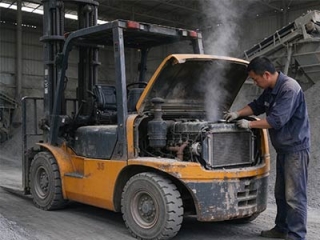 Heavy-Duty Diesel Forklift High Temperature Troubleshooting Guide3.5t diesel forklifts often overheat when handling sand and stone. Inspect cooling system step by step: radiator, belt, shroud, thermostat and water pump.
Do you like ?0
Read more








