
Lithium ride-on stacker gets power from lithium battery, which is an expensive core component. Improper usage will accelerate capacity attenuation, shorten service life and raise operation cost. Follow 4 ride-on electric stacker lithium battery maintenance methods to extend battery life and ensure stable continuous operation of the stacker.
First, standardize charging and discharging operations. Lithium batteries do not need full discharge before recharge. You can start charging when the remaining power is about 20 percent, and deep discharge should be avoided. Use the original matching charger instead of other incompatible models. Keep ventilation during charging and cut off power promptly once fully charged, preventing long-time overcharging.
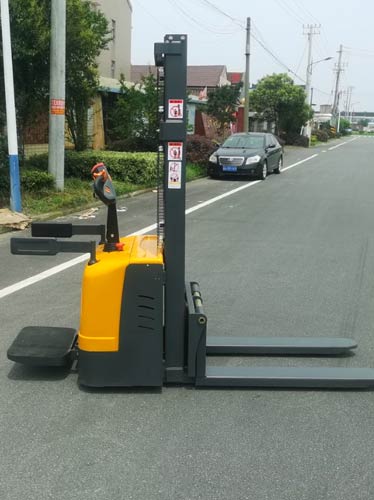
Second, control working and storage environment. Lithium batteries are sensitive to high and low temperatures. Do not operate for long hours in environments above 40℃ or below 0℃. For long-term storage, do not keep full charge. Maintain power between 40% and 60%, store indoors in dry and ventilated places, keep away from rain and moisture to avoid corrosion of battery casing.
Third, carry out regular visual inspection. Check the battery before and after each shift. Look for dents, bulges or cracks on casing and loose or oxidized terminals. Clean dust and oxides on terminals after power cut to avoid heat caused by poor contact. Stop using the battery immediately if bulging or leakage occurs.
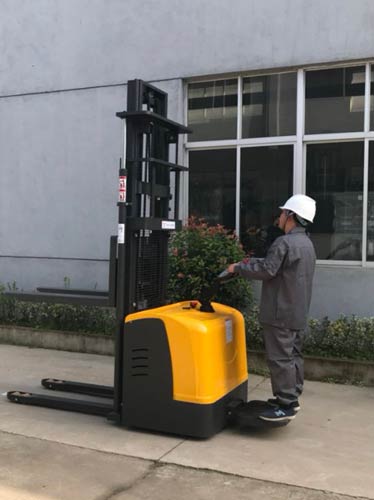
Fourth, manage long-term idle status. If the stacker will not be used for a long period, recharge it every month to keep proper power level and prevent damage caused by excessive self-discharge. Keep the battery pack away from heavy pressure and external impact during storage.
Scientific maintenance of lithium ride-on stacker helps reduce unexpected downtime and battery replacement cost. Contact us for technical support if you encounter any battery issues during operation. Feel free to send inquiries.
-
 Maintenance Notes for Double Pallet Truck Under Heavy Warehouse LoadsOperators often ignore abnormal motor noise of double pallet trucks during rush orders. Continuous operation burns motors. Timely maintenance prevents failures.
Do you like ?0
Read more -
 How to Get Accurate Quotations for Stand-on Counterbalance StackerStand-on counterbalance stackers rely on rear weight for stability and cost more. Battery, load, lift height and custom options affect final quotations.
Do you like ?0
Read more -
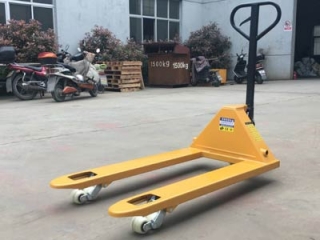 Manual Stacker Vs Pallet Jack: Key Operational Function DifferencesNew buyers confuse manual pallet trucks and manual stackers. They differ in lifting function. Pallet trucks for transfer, stackers for racking to avoid risks.
Do you like ?0
Read more -
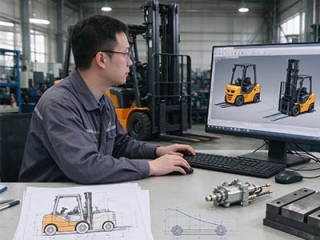 Custom Forklift Dimensions for Export to Fit Narrow Warehouse AislesForklift export faces size risks. Overseas orders may fail door, container or aisle fit. Customization needs balance of gravity, load and target market certifications.
Do you like ?0
Read more -
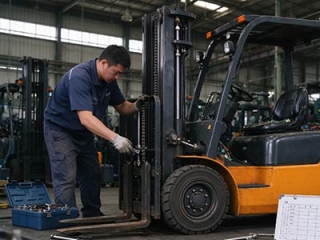 Forklift Safety Management Guide Based on Special Equipment SpecificationsForklifts are special equipment. Follow TSG 81 with training, records, inspection and on-site control to prevent accidents and penalties.
Do you like ?0
Read more -
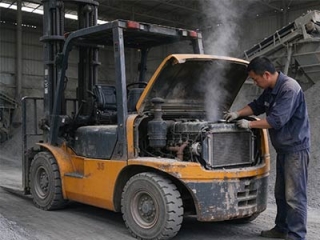 Heavy-Duty Diesel Forklift High Temperature Troubleshooting Guide3.5t diesel forklifts often overheat when handling sand and stone. Inspect cooling system step by step: radiator, belt, shroud, thermostat and water pump.
Do you like ?0
Read more








