Mobile Forklift: The Efficient and Agile Wing of Logistics Transportation
In today's efficient and fast logistics transportation field, on-board forklifts are becoming a key tool for us to enhance transportation efficiency and reduce operating costs with their unique advantages and outstanding performance.
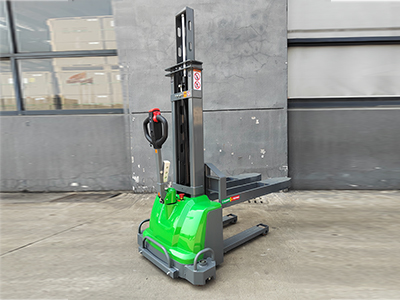
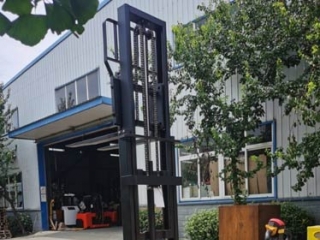
The truck-mounted forklift, as the name implies, is a forklift that is installed on transport vehicles and can move with the vehicle. It integrates transportation and loading/unloading functions, breaking the limitations of traditional logistics where loading/unloading and transportation processes are separated. When faced with heavy cargo transportation tasks, it can quickly and flexibly perform loading and unloading operations, greatly reducing the waiting time for cargo during the loading and unloading phase. Whether in warehouses, docks, or distribution centers, the truck-mounted forklift can easily handle various complex working environments with its compact structure and powerful lifting capacity, ensuring safe and efficient transfer of goods.
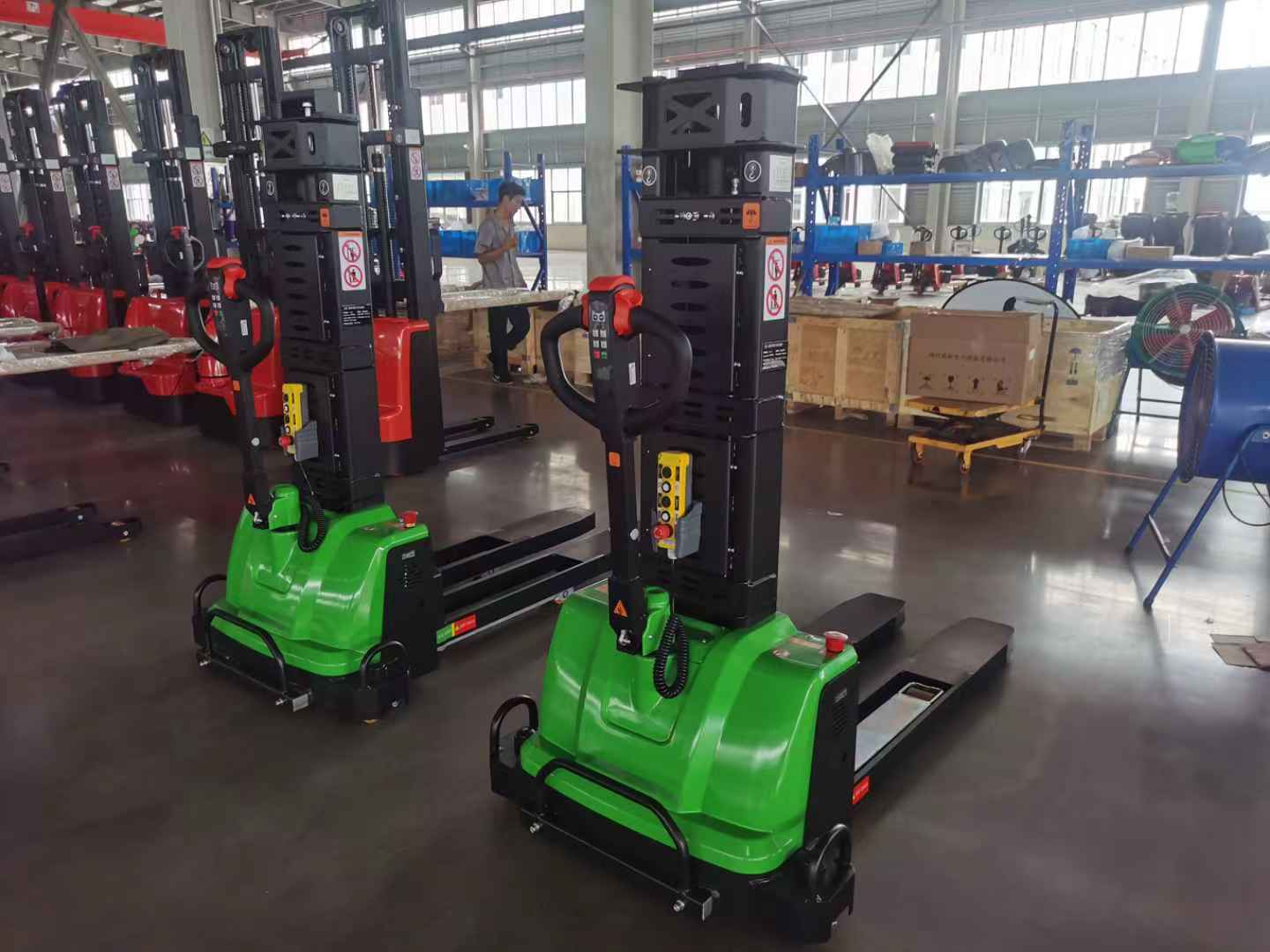
From the perspective of efficiency improvement, the advantages of truck-mounted forklifts are particularly prominent. It realizes the automation and mechanization of loading and unloading operations, reducing the cumbersome and labor-intensive manual handling, and greatly improving loading and unloading efficiency. Previously, cargo loading and unloading required multiple people to collaborate, consuming a lot of time and energy, but with the help of truck-mounted forklifts, it can now be completed quickly by just one operator. This not only accelerates the turnover speed of goods and improves the overall efficiency of logistics transportation but also wins us more time and market opportunities. In our actual operations, after using truck-mounted forklifts, the average loading and unloading time of goods has been reduced by [specific percentage], and transportation efficiency has been significantly enhanced.
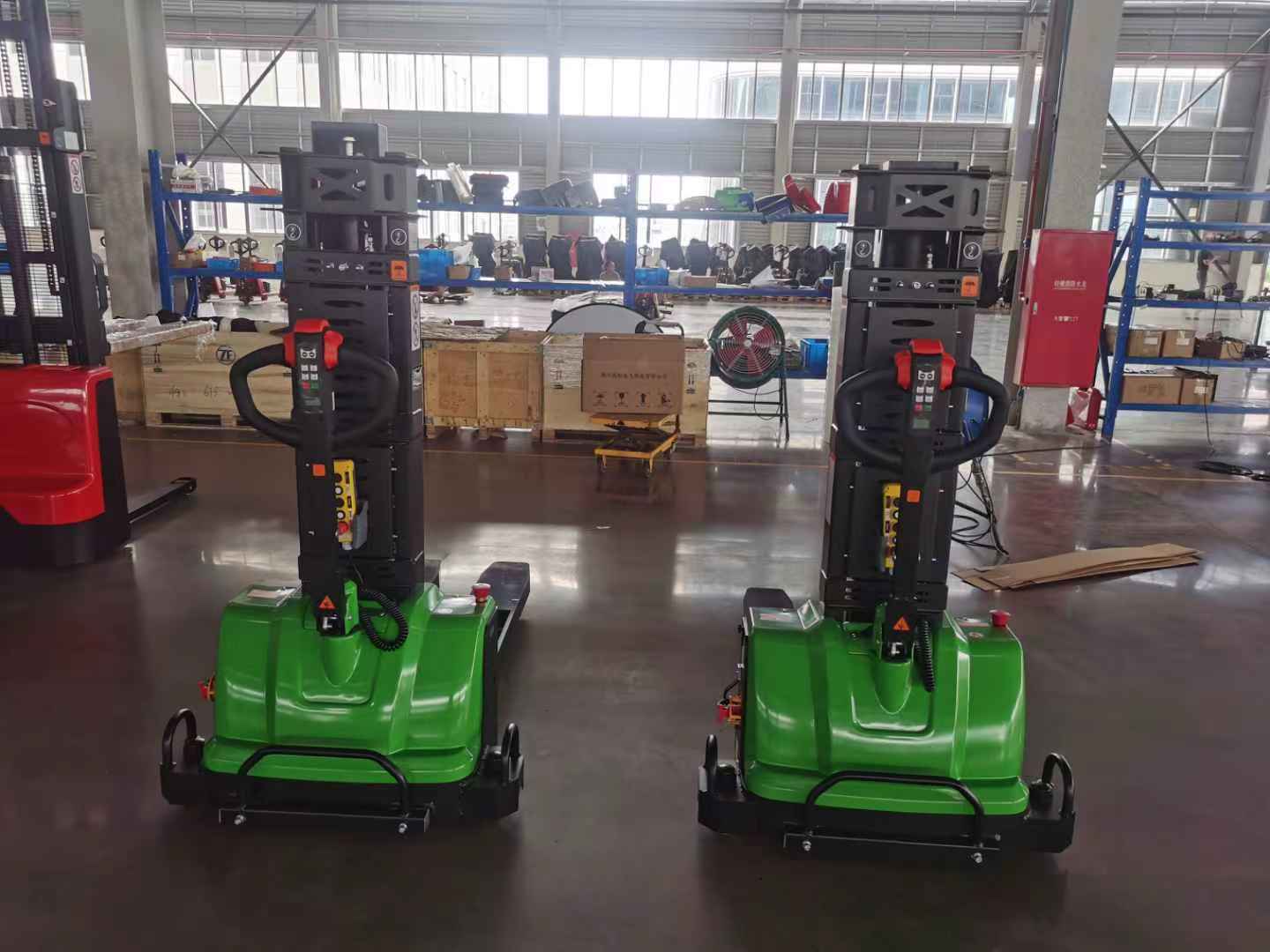
The on-board forklift also plays an important role in cost control. On the one hand, it reduces reliance on a large amount of manual labor, lowering labor costs. On the other hand, due to its efficient operation capability, it reduces damage and loss of goods during loading and unloading processes, thereby lowering the costs of goods compensation. At the same time, the mobility feature of the on-board forklift means that we do not need to equip fixed forklift devices at multiple work sites, saving on equipment purchase and maintenance costs. The comprehensive reduction of these costs brings significant economic benefits to our business.
The safety performance is a major highlight of the truck-mounted forklift that cannot be overlooked. It is equipped with advanced safety devices and control systems, such as stabilizers, braking systems, and warning lights, ensuring stable operation in various working environments, effectively preventing safety accidents such as cargo tipping and vehicle rollover. After professional training, operators can proficiently master the operation skills of the truck-mounted forklift, further ensuring the safety of the operational process. During our use of the truck-mounted forklift, the incidence of safety accidents has significantly decreased, providing a solid safety guarantee for our logistics transportation.
With the continuous development of the logistics industry and ongoing technological advancements, mounted forklifts are also undergoing constant innovation and upgrades. Today’s mounted forklifts not only have significantly enhanced lifting capacity and operational efficiency but have also made remarkable progress in terms of intelligence and environmental protection. Some advanced mounted forklifts are equipped with intelligent control systems that enable remote monitoring and operation, thus improving the level of intelligence of the equipment. At the same time, the use of environmentally friendly power systems reduces energy consumption and environmental pollution, aligning with the modern society's requirements for the development of green logistics.
-
 Reliability Of Newnewton Warehouse Forklifts For Heavy-Duty ShiftsWarehouse forklift reliability relies on industrial parts, reinforced frames and factory durability tests. Proper operation and maintenance reduce unexpected downtime.
Do you like ?0
Read more -
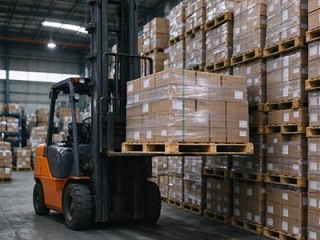 Forklift Configuration Strategy For Dense Warehousing, Warehouse ForkliftDense warehousing needs matched forklifts besides racks. Reach and trilateral stackers fit different layouts, coordinate aisle, load curve and floor for smooth handling.
Do you like ?0
Read more -
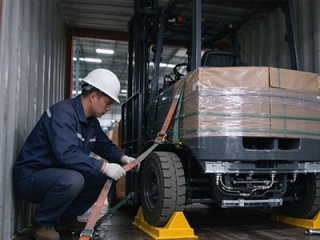 Full Container Supply For Export Forklifts, Forklift ManufacturerBulk forklift orders for overseas can ship by FCL or LCL. Newnewton FCL offers stable freight, safer packing and mixed models for large purchases.
Do you like ?0
Read more -
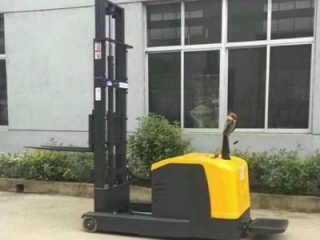 Stand-on Reach Stacker For Narrow Aisle Stacking, Mast Reach StructureStand-on reach stackers feature sliding masts that stay outside racks. They boost storage density in narrow aisles and require flat floors and standard pallets.
Do you like ?0
Read more -
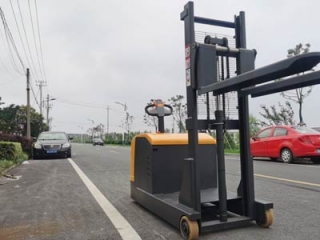 Stand-on Counterbalance Stacker For Various Pallets, Why No Leg RestrictionCounterbalance stackers have no front outriggers, using rear counterweight to avoid pallet interference. They fit various odd pallets yet need wider warehouse aisles.
Do you like ?0
Read more -
 Custom Walk-Behind Counterbalance Stacker | Non-Standard ModificationsStandard walk-behind counterbalance stackers struggle with non-standard pallets and tight aisles. Customize load, lift, forks and structure, share working conditions for safe design.
Do you like ?0
Read more