
Many warehouse buyers wonder which is better, ride-on vs walk-behind electric pallet jack. The selection of electric pallet trucks needs comprehensive consideration of multiple working condition factors. This guide helps warehouse managers make correct equipment choices and match the most suitable warehouse ride-on electric pallet truck.
Operation distance This is the most obvious difference between the two models. Operators need to walk along with walk-behind electric pallet jack during handling. Long-distance transportation easily causes fatigue and limits working speed. In contrast, the warehouse ride-on electric pallet truck allows operators to stand on the platform and move with the equipment. It saves physical effort and greatly improves handling efficiency for long-distance cargo transfer. Ride-on models are more cost-effective if the single handling distance exceeds 20 to 30 meters.
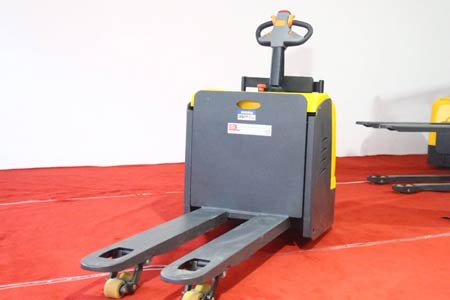
Aisle width adaptability The walk-behind pallet truck features a compact body and small turning radius, performing flexibly in narrow rack aisles. It perfectly fits warehouses with limited space and narrow passages. The ride-on model is equipped with standing platform and operating console, resulting in larger overall dimension and larger turning space requirements. It is more suitable for warehouses with wide aisles and large cargo throughput.
Working intensity For high-frequency and high-intensity daily handling tasks, the ride-on electric pallet jack reduces operator fatigue and supports continuous long-hour operations. For warehouses with low handling frequency and occasional usage, the walk-behind model fully meets daily demands with lower procurement cost.
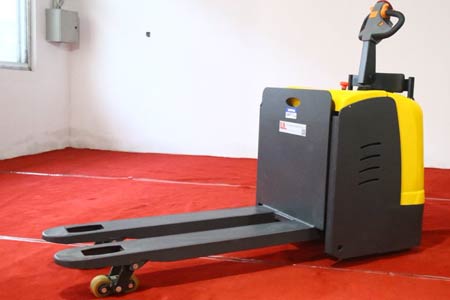
Budget and maintenance cost The walk-behind electric pallet jack has a simple structure with lower purchase price and maintenance expenses. The ride-on model is equipped with complete driving, braking and control systems, leading to higher cost but bringing higher operating efficiency and better comfort.
In conclusion, there is no absolute good or bad between ride-on vs walk-behind electric pallet jack. Choose ride-on models for long-distance and high-intensity handling, and select walk-behind models for narrow aisles and low-frequency work. Match equipment according to your actual aisle width, operation distance and budget to avoid wrong selection.
-
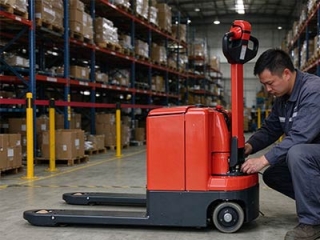 Maintenance Notes for Double Pallet Truck Under Heavy Warehouse LoadsOperators often ignore abnormal motor noise of double pallet trucks during rush orders. Continuous operation burns motors. Timely maintenance prevents failures.
Do you like ?0
Read more -
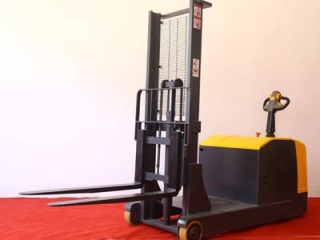 How to Get Accurate Quotations for Stand-on Counterbalance StackerStand-on counterbalance stackers rely on rear weight for stability and cost more. Battery, load, lift height and custom options affect final quotations.
Do you like ?0
Read more -
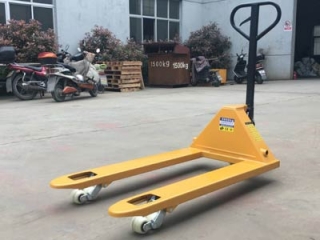 Manual Stacker Vs Pallet Jack: Key Operational Function DifferencesNew buyers confuse manual pallet trucks and manual stackers. They differ in lifting function. Pallet trucks for transfer, stackers for racking to avoid risks.
Do you like ?0
Read more -
 Custom Forklift Dimensions for Export to Fit Narrow Warehouse AislesForklift export faces size risks. Overseas orders may fail door, container or aisle fit. Customization needs balance of gravity, load and target market certifications.
Do you like ?0
Read more -
 Forklift Safety Management Guide Based on Special Equipment SpecificationsForklifts are special equipment. Follow TSG 81 with training, records, inspection and on-site control to prevent accidents and penalties.
Do you like ?0
Read more -
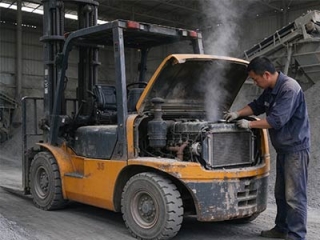 Heavy-Duty Diesel Forklift High Temperature Troubleshooting Guide3.5t diesel forklifts often overheat when handling sand and stone. Inspect cooling system step by step: radiator, belt, shroud, thermostat and water pump.
Do you like ?0
Read more








