
Lithium Ride-on Pallet Truck vs Lead Acid Model: Warehouse Buying Guide
When purchasing ride-on electric pallet trucks for warehouses, battery type directly affects operation continuity and maintenance costs. Lithium ride-on electric pallet trucks and traditional lead acid models are two mainstream options. Many buyers struggle to decide between them. Here is a comparison of lithium ride-on pallet trucks and lead acid versions based on real warehouse working conditions.
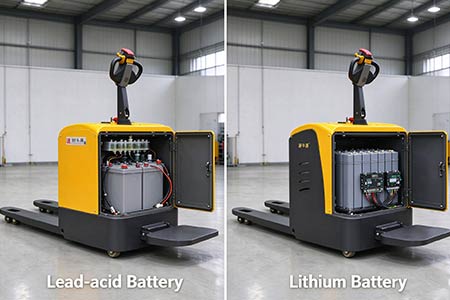
Battery Range and Charging The lithium ride-on pallet truck supports opportunity charging. Short charging breaks can restore power, and workers can top up power during lunch breaks, which suits multi-shift continuous operations. Lithium batteries feature higher energy density and longer runtime with the same volume.
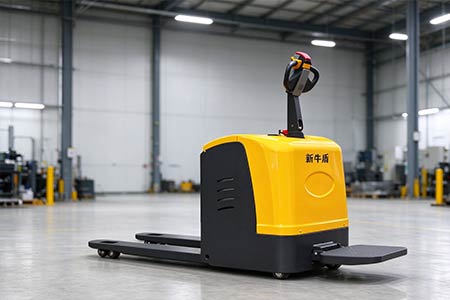
Lead acid batteries require long full charging hours. Gas is generated during charging, so separate ventilated charging zones are required. Opportunity charging is not available, making them suitable only for single-shift work.
Maintenance and Service Life Lithium batteries come with built-in BMS protection systems and are nearly maintenance-free. No water refilling is needed, cutting manual maintenance work, and they have more charge cycles.
Lead acid batteries need regular electrolyte inspection and water replenishment. Poor maintenance causes premature capacity loss. Their cycle life is short, and battery replacement is generally required within 2 to 3 years.
Operation Cost The upfront purchase cost of a lithium ride-on electric pallet truck is higher. In the long run, lithium batteries have longer service life and lower failure rates, delaying battery replacement, which brings lower overall cost over years.
Lead acid models have a lower initial price. However, batteries degrade rapidly. The combined cost of battery replacement and manual maintenance creates high long-term expenses.
Environmental Adaptability Lithium units perform better in low-temperature environments. Power loss is limited in cold storage or winter conditions.
Lead acid batteries suffer severe capacity drop in cold weather. Besides, lithium-powered trucks have lighter overall weight, which reduces pressure on the warehouse floor.
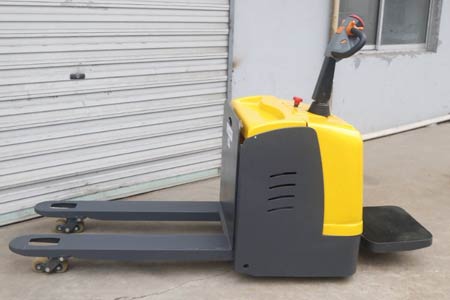
Safety and Customization Qualified lithium batteries have multi-protection against overcharge, over-discharge and short circuit. Lead acid batteries carry leakage risks and must be stored and charged away from goods. Both models support customization for bulk orders, and CE certification is available for export projects.
If your warehouse runs multi-shift operations and requires low maintenance and stable long-term performance, lithium ride-on electric pallet trucks are the preferred choice. Lead acid trucks work better for single-shift use with limited daily working hours and tight budgets. Contact our manufacturer to get a matched solution according to your shift schedule and site conditions.
-
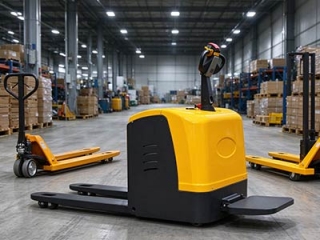 Newnewton Warehouse Forklift from Forklift Manufacturing FactoryNewnewton is a direct warehouse forklift manufacturer supplying full-range material handling equipment. It supports custom builds, lithium/lead-acid options, factory testing and CE certification for export orders.
Do you like ?0
Read more -
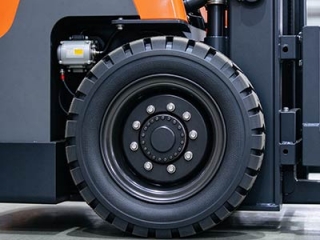 Walkie Electric Stacker Drive Wheel & Support Wheel GuideWhen buying walkie electric stacker parts, distinguish drive wheels and support wheels. Drive wheels deliver power and wear faster. Match sizes and inspect wear regularly for warehouse safety.
Do you like ?0
Read more -
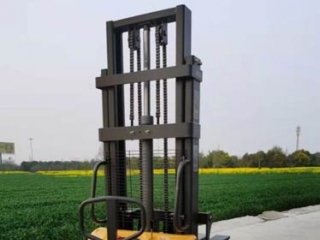 Semi Electric Stacker Quotation & Procurement TipsAvoid buying semi-electric stackers by price only. Evaluate load capacity, lift height, battery type and working conditions. Choose reliable factories with guaranteed warranty and customized services.
Do you like ?0
Read more -
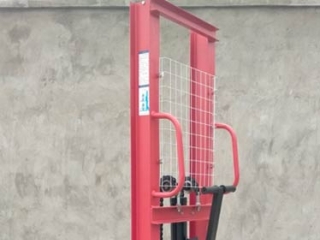 How to Choose a Reliable Manual Forklift ManufacturerChoose direct manufacturers for manual hydraulic pallet trucks to avoid stock shortages and delayed delivery. Newnewton offers in-house production, spot goods, factory inspection and CE certification for domestic and export purchases.
Do you like ?0
Read more -
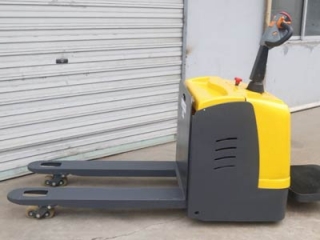 Lithium Ride-on Pallet Truck vs Lead Acid Model: Warehouse Buying GuideLithium & lead-acid ride-on electric pallet trucks are popular warehouse options. Compare runtime, service life, cost and environment to pick based on shifts and budget.
Do you like ?0
Read more -
 How Much Does an Electric Truck Mounted Forklift CostElectric truck-mounted forklift installs on truck tail for one-person loading. Prices range from 3000 to 6000 USD, check high lift load derating before purchase.
Do you like ?0
Read more








