
Battery Capacity Of Electric Self-loading Lift Truck: Lithium Version Guide
Many buyers only focus on the battery figure when purchasing the lithium version of electric self-loading lift truck, ignoring the matching relationship between capacity and actual runtime. This often leads to insufficient on-site endurance and delays in truck loading and unloading.
The runtime of the self-loading lift is not determined by battery capacity alone. Load weight, lifting frequency and travel distance all consume power. For lithium batteries with the same capacity, frequent lifting under full load greatly shortens working hours. Light load and short travel bring better endurance, so you cannot judge only by capacity data.
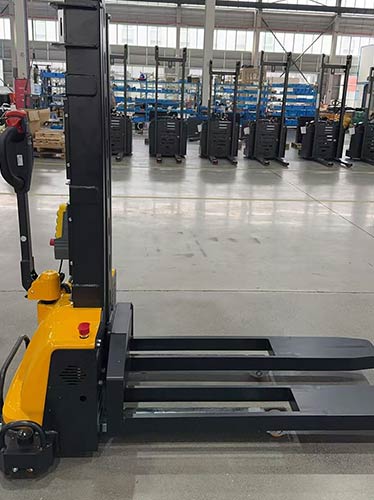
Small-capacity lithium batteries are usually 48V20Ah and 48V30Ah. They fit short-distance loading and unloading tasks with few lifting actions. The daily working time is within 3 to 4 hours, suitable for fleets with stable delivery frequency and a small number of pallets per shipment. These batteries charge quickly.
Medium-capacity options including 48V40Ah and 48V50Ah are mainstream models, compatible with most logistics delivery vehicles. They support mixed walking and lifting operations for around 6 hours per day. Freight and trading companies prefer this specification for its balanced weight, runtime and cost, without adding excessive load to trucks.
Large-capacity lithium batteries start from 48V60Ah, designed for heavy-duty continuous loading and unloading. They suit long-distance trunk delivery and multi-stop unloading with high-frequency lifting all day. Note that large batteries are heavier, so check the truck chassis load limit to avoid overloading.
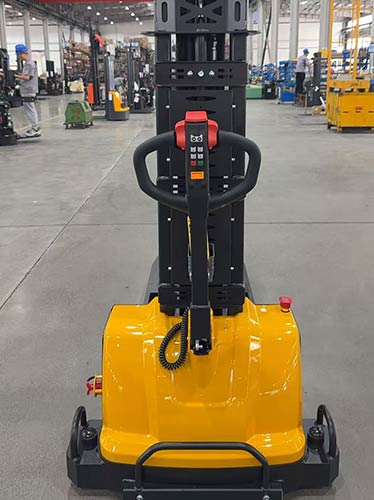
Besides capacity, pay attention to the continuous discharge parameters of lithium batteries. Some cheap batteries have attractive marked capacity but weak discharge power. They lack enough power for full-load lifting and drain quickly. Confirm cell type, continuous discharge current and battery warranty terms during inquiry to avoid falsely marked cells.
Good usage habits also keep stable runtime. Do not drain the battery completely before charging, recharge after work. Avoid repeated full-load lifting to save power. Keep storage away from direct sunlight and low-temperature conditions, as cold weather reduces lithium battery runtime.
Match the battery capacity of electric self-loading lift truck according to daily loading frequency, travel distance and full-load duration. Share your working conditions with us for suitable lithium configuration recommendations.
-
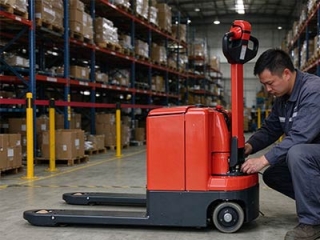 Maintenance Notes for Double Pallet Truck Under Heavy Warehouse LoadsOperators often ignore abnormal motor noise of double pallet trucks during rush orders. Continuous operation burns motors. Timely maintenance prevents failures.
Do you like ?0
Read more -
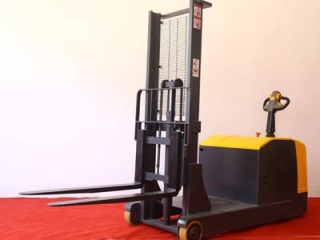 How to Get Accurate Quotations for Stand-on Counterbalance StackerStand-on counterbalance stackers rely on rear weight for stability and cost more. Battery, load, lift height and custom options affect final quotations.
Do you like ?0
Read more -
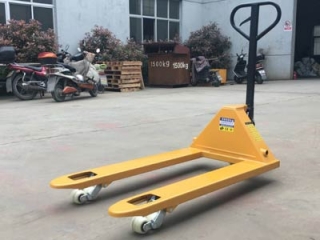 Manual Stacker Vs Pallet Jack: Key Operational Function DifferencesNew buyers confuse manual pallet trucks and manual stackers. They differ in lifting function. Pallet trucks for transfer, stackers for racking to avoid risks.
Do you like ?0
Read more -
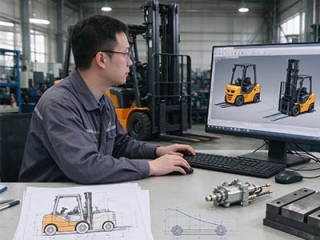 Custom Forklift Dimensions for Export to Fit Narrow Warehouse AislesForklift export faces size risks. Overseas orders may fail door, container or aisle fit. Customization needs balance of gravity, load and target market certifications.
Do you like ?0
Read more -
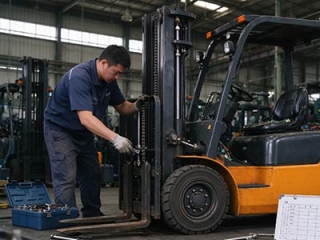 Forklift Safety Management Guide Based on Special Equipment SpecificationsForklifts are special equipment. Follow TSG 81 with training, records, inspection and on-site control to prevent accidents and penalties.
Do you like ?0
Read more -
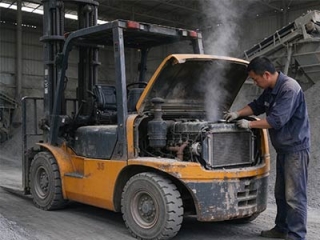 Heavy-Duty Diesel Forklift High Temperature Troubleshooting Guide3.5t diesel forklifts often overheat when handling sand and stone. Inspect cooling system step by step: radiator, belt, shroud, thermostat and water pump.
Do you like ?0
Read more








