5 Load Standard Points for Electric Self-propelled Scissor Lift Selection
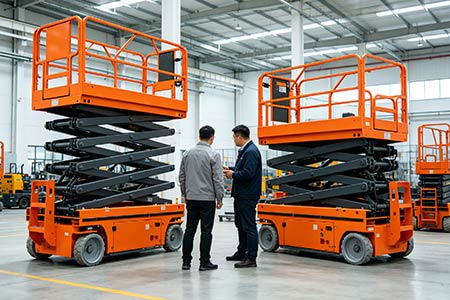
Many buyers focus on price, material and after-sales service when purchasing electric self-propelled scissor lift, while load capacity is often overlooked. However, the load parameter of aerial work platforms is directly related to operation safety. Confusing rated load and overload margin will lead to wrong selection, which not only wastes cost but also brings potential safety hazards.
Here are 5 key points about load capacity. Rated load Rated load refers to the total weight of personnel and tools allowed when the platform reaches the maximum working height on flat ground. Common models include 230kg, 320kg and 450kg. This value cannot be increased temporarily, and overloading operation is strictly prohibited.
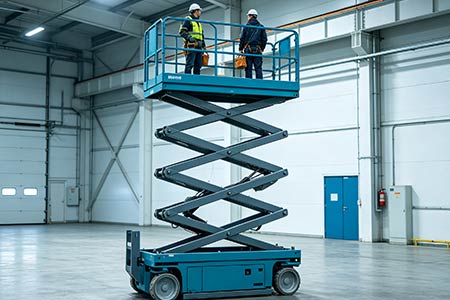
Uniform load requirement on platform Loads should be evenly placed in the middle area of the platform floor. Do not stack goods on one side or guardrail of the platform. Eccentric load causes uneven stress on the platform structure and may result in tilting and jamming failures.
Load offset limit Most self-propelled scissor lifts have load offset standards. It is against regulations if materials stretch out beyond the platform edge. Goods outside the platform will shift the center of gravity and bring overturning risks.
Load attenuation on ground and slopes The allowable load of the machine decreases when working on ramps. Larger slope leads to more obvious load attenuation. It is generally not recommended to carry full load aerial work on slopes greater than 3 degrees.
Continuous operation specification for load Long-time full-load operation accelerates the wear of hydraulic system and scissor arms. If high-frequency daily work is required, it is suggested to reserve more than 15% safety margin during model selection.
In summary, you will have a clear understanding of the load standard of self-propelled scissor aerial work platform for more accurate selection. Manufacturers can provide consultation service if you need more details about other parameters.
-
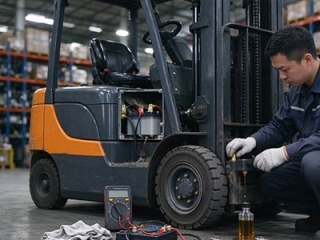 Reliability Of Newnewton Warehouse Forklifts For Heavy-Duty ShiftsWarehouse forklift reliability relies on industrial parts, reinforced frames and factory durability tests. Proper operation and maintenance reduce unexpected downtime.
Do you like ?0
Read more -
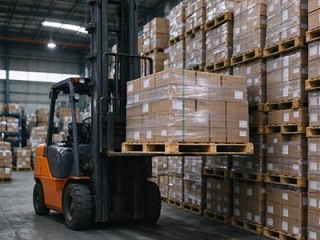 Forklift Configuration Strategy For Dense Warehousing, Warehouse ForkliftDense warehousing needs matched forklifts besides racks. Reach and trilateral stackers fit different layouts, coordinate aisle, load curve and floor for smooth handling.
Do you like ?0
Read more -
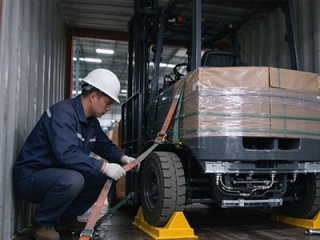 Full Container Supply For Export Forklifts, Forklift ManufacturerBulk forklift orders for overseas can ship by FCL or LCL. Newnewton FCL offers stable freight, safer packing and mixed models for large purchases.
Do you like ?0
Read more -
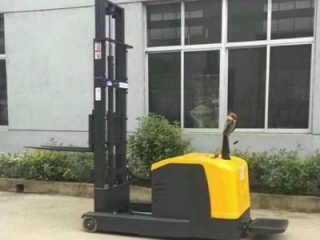 Stand-on Reach Stacker For Narrow Aisle Stacking, Mast Reach StructureStand-on reach stackers feature sliding masts that stay outside racks. They boost storage density in narrow aisles and require flat floors and standard pallets.
Do you like ?0
Read more -
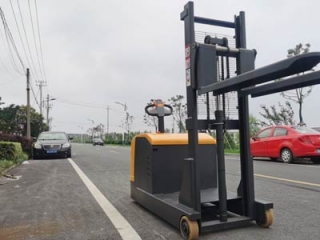 Stand-on Counterbalance Stacker For Various Pallets, Why No Leg RestrictionCounterbalance stackers have no front outriggers, using rear counterweight to avoid pallet interference. They fit various odd pallets yet need wider warehouse aisles.
Do you like ?0
Read more -
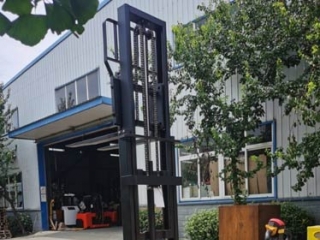 Custom Walk-Behind Counterbalance Stacker | Non-Standard ModificationsStandard walk-behind counterbalance stackers struggle with non-standard pallets and tight aisles. Customize load, lift, forks and structure, share working conditions for safe design.
Do you like ?0
Read more