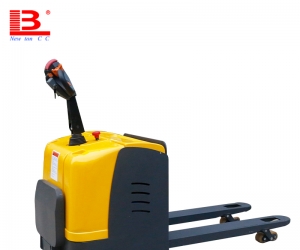
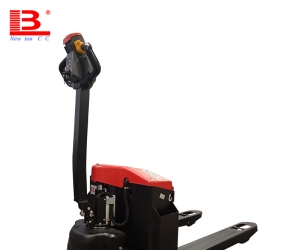
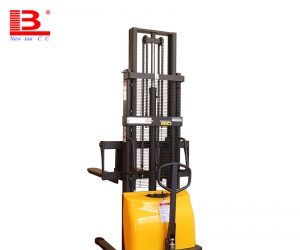
The semi electric stacker is a storage device, hydraulic stacker uses battery power as an energy source and a motor as a power source. The semi electric stacker is used for various wheeled handling vehicles for pallet loading, unloading, stacking, stacking and short-distance transportation.
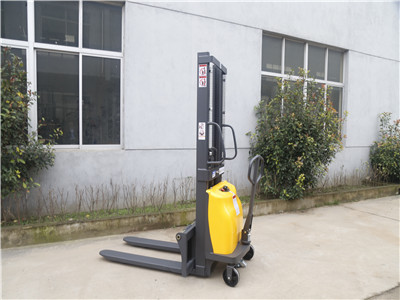
hydraulic stacker are divided into two categories: all electric hydraulic stacker and semi electric stacker. The hydraulic stacker main structure includes: battery, motor, hydraulic pump, cylinder, piston rod, fork, chain, controller and so on. Semi electric stacker is an economical stacker, semi electric stacker heavy-duty cylinder, hydraulic stacker high lifting; semi electric stacker with linkage aids, the hydraulic stacker steering of the whole vehicle is more flexible, long-term use, semi electric stacker lightweight wheels are beneficial for dragging, and hydraulic stacker electric lifts are protected by explosion-proof valves. The goods fell smoothly. semi electric stacker suitable for work in narrow passages and limited spaces.
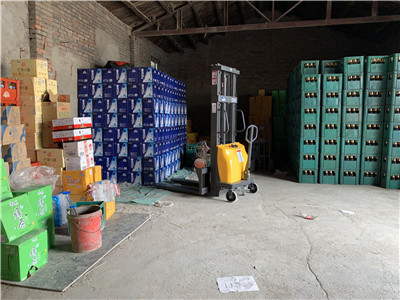
hydraulic stacker main function is to lift the weight to the required height. Generally semi electric stacker used in warehouses, workshops and other places that require logistics and transportation, and the use of pallets can greatly improve the efficiency of storage. Therefore, the electric hydraulic stacker is also called the electric pallet hydraulic stacker
Precautions:
1. semi electric stacker fix the "load curve" sign at the driver's eye-catching place. The hydraulic stacker size of the sign should meet the requirements of GB/'r 13306.
2. semi electric stacker a safety sign shall be marked on the outside of the gantry.
3. The hydraulic stacker should have a clear lifting position.
4. There should be a steel word serial number mark on the obvious position of the semi electric stacker frame.
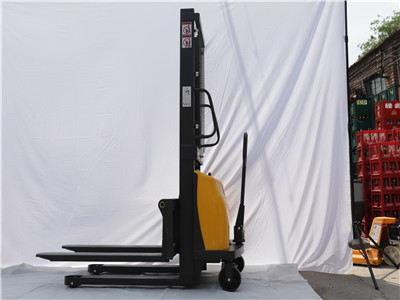
5. The hydraulic stacker manufacturer should do the following before delivery:
a) semi electric stacker rust or other protective measures should be applied to all random accessories and tools.
b) Apply anti-rust oil to all exposed unpainted parts of the semi electric stacker.
c) semi electric stacker hydraulic components that must be sealed with seals must be approved by the inspector before sealing.
d) hydraulic stacker sufficient lubricating grease should be injected into all lubricated parts.
e) All parts of the hydraulic stacker that have relative motion should be fixed accordingly.
f) semi electric stacker hydraulic oil should be added to the specified position.
-
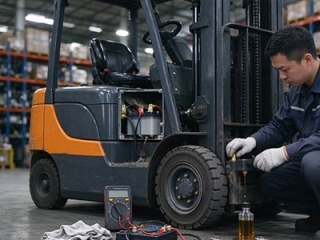 Reliability Of Newnewton Warehouse Forklifts For Heavy-Duty ShiftsWarehouse forklift reliability relies on industrial parts, reinforced frames and factory durability tests. Proper operation and maintenance reduce unexpected downtime.
Do you like ?0
Read more -
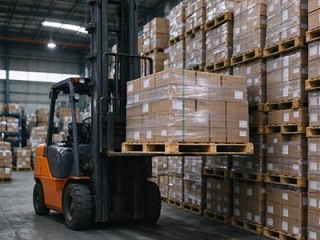 Forklift Configuration Strategy For Dense Warehousing, Warehouse ForkliftDense warehousing needs matched forklifts besides racks. Reach and trilateral stackers fit different layouts, coordinate aisle, load curve and floor for smooth handling.
Do you like ?0
Read more -
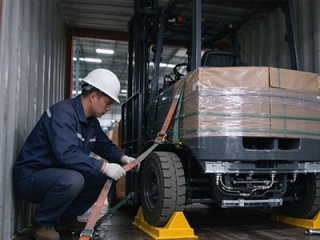 Full Container Supply For Export Forklifts, Forklift ManufacturerBulk forklift orders for overseas can ship by FCL or LCL. Newnewton FCL offers stable freight, safer packing and mixed models for large purchases.
Do you like ?0
Read more -
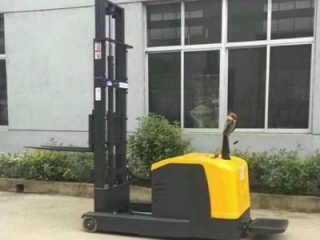 Stand-on Reach Stacker For Narrow Aisle Stacking, Mast Reach StructureStand-on reach stackers feature sliding masts that stay outside racks. They boost storage density in narrow aisles and require flat floors and standard pallets.
Do you like ?0
Read more -
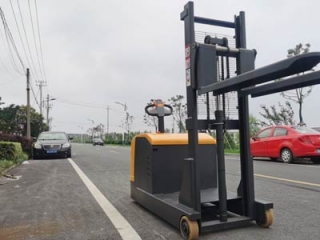 Stand-on Counterbalance Stacker For Various Pallets, Why No Leg RestrictionCounterbalance stackers have no front outriggers, using rear counterweight to avoid pallet interference. They fit various odd pallets yet need wider warehouse aisles.
Do you like ?0
Read more -
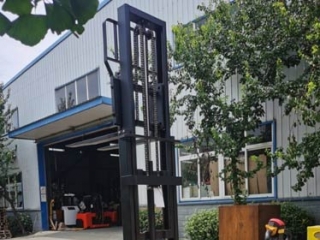 Custom Walk-Behind Counterbalance Stacker | Non-Standard ModificationsStandard walk-behind counterbalance stackers struggle with non-standard pallets and tight aisles. Customize load, lift, forks and structure, share working conditions for safe design.
Do you like ?0
Read more