
Light Semi-Electric Stacker | Semi-Electric Stacker Repair Mistakes
Does your light semi-electric stacker start malfunctioning after just one year of use? Semi-electric stackers rely on electric power for lifting, so routine maintenance cannot be overlooked. Understanding proper semi-electric stacker repair and maintenance helps extend service life and lower failure rates. This article highlights four frequent maintenance mistakes, preventing minor issues from affecting equipment operation.
Mistake 1: Random Hydraulic Oil Filling
Many operators add ordinary engine oil or low-quality hydraulic oil when fluid is insufficient. Mixing hydraulic oils of different viscosities causes valve blockage and rapid wear of cylinder seals, resulting in fork descent and weak lifting performance. Correct practice: Use manufacturer-specified hydraulic oil, replace fluid periodically, and never mix different oil grades.
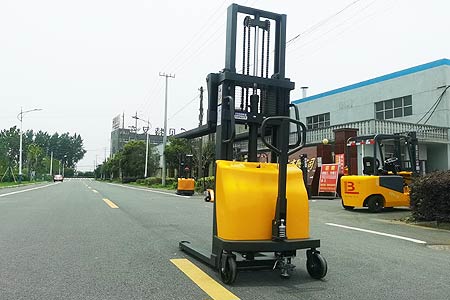
Mistake 2: Ignoring Minor Oil Leakage
Small leaks at pipe joints or cylinders are often ignored. Persistent oil shortage leads to air intake inside the hydraulic system and dry abrasion of the pump. Minor faults may evolve into hydraulic pump damage, pushing up repair costs sharply. Correct practice: Check joints and seals immediately once leakage is detected, and replace aged components promptly.
Mistake 3: Improper Battery Maintenance
Frequently discharging batteries completely and storing them in low-power state accelerates plate sulfation and capacity decline. Many users assume charging alone is enough and ignore charging environment and duration. Correct practice: Avoid fully draining batteries; top up power regularly during idle time. Charge in ventilated areas and stay away from high-temperature environments.
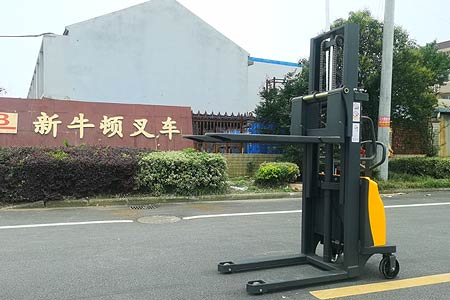
Mistake 4: Only Lubricating Without Troubleshooting
When lifting chains and rollers produce abnormal noise, some operators only apply grease temporarily. If the noise comes from worn rollers, deformed masts or damaged bearings, lubrication cannot solve the problem and brings potential safety hazards during operation. Correct practice: Trace the source of noise while lubricating; replace damaged rollers and bearings in a timely manner.
Periodic Maintenance Checklist
Daily pre-shift check: Battery power, oil leakage, flexible wheel rotation. Monthly maintenance: Lubricate mast chains and wheel bearings, tighten wiring connectors. Quarterly inspection: Check hydraulic oil cleanliness and test whether forks slide down automatically. Important rule: Overloading is prohibited. Do not suspend loaded goods for a long time.
To sum up, maintenance for light semi-electric stacker is simple. We have covered typical faults and solutions. Feel free to reach out to discuss further questions about troubleshooting and semi-electric stacker repair.
-
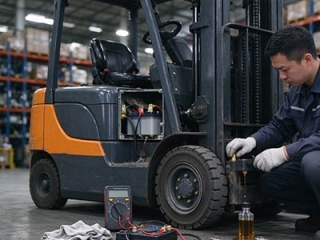 Reliability Of Newnewton Warehouse Forklifts For Heavy-Duty ShiftsWarehouse forklift reliability relies on industrial parts, reinforced frames and factory durability tests. Proper operation and maintenance reduce unexpected downtime.
Do you like ?0
Read more -
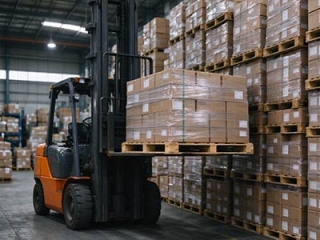 Forklift Configuration Strategy For Dense Warehousing, Warehouse ForkliftDense warehousing needs matched forklifts besides racks. Reach and trilateral stackers fit different layouts, coordinate aisle, load curve and floor for smooth handling.
Do you like ?0
Read more -
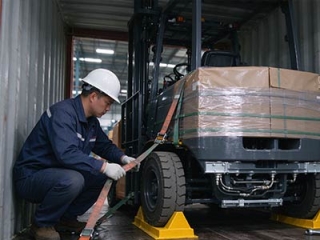 Full Container Supply For Export Forklifts, Forklift ManufacturerBulk forklift orders for overseas can ship by FCL or LCL. Newnewton FCL offers stable freight, safer packing and mixed models for large purchases.
Do you like ?0
Read more -
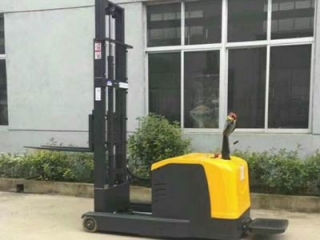 Stand-on Reach Stacker For Narrow Aisle Stacking, Mast Reach StructureStand-on reach stackers feature sliding masts that stay outside racks. They boost storage density in narrow aisles and require flat floors and standard pallets.
Do you like ?0
Read more -
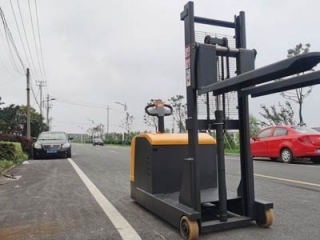 Stand-on Counterbalance Stacker For Various Pallets, Why No Leg RestrictionCounterbalance stackers have no front outriggers, using rear counterweight to avoid pallet interference. They fit various odd pallets yet need wider warehouse aisles.
Do you like ?0
Read more -
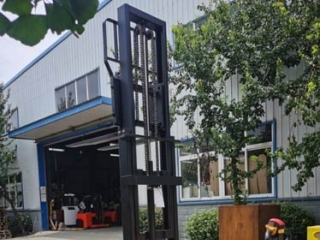 Custom Walk-Behind Counterbalance Stacker | Non-Standard ModificationsStandard walk-behind counterbalance stackers struggle with non-standard pallets and tight aisles. Customize load, lift, forks and structure, share working conditions for safe design.
Do you like ?0
Read more








