There are several misunderstandings about the operation of self loading stacker
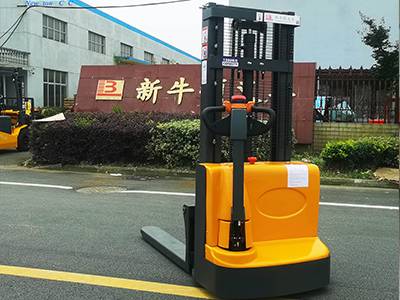
There are several misunderstandings about the operation of self loading stacker:
Self loading stacker are the most commonly used tools in handling operations, so many users ignore the operating specifications of self loading stacker. Often fall into some misunderstandings in use, so what are some misunderstandings about the operation of self loading stacker?
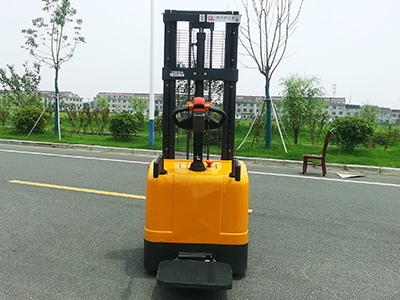
When loading goods, the fork distance of the electric hydraulic forklift should be adjusted according to the size of the goods. The weight of the cargo should be shared equally by the two forks of the self loading stacker to avoid partial load or side slippage of the cargo when the self loading stacker is operating. When the forks of the self loading stacker lift and exit the pallet, the fork wall should be in contact with one side of the cargo, and then the mast of the self loading stacker should be tilted backward, and the fork should be lifted from the ground about 200mm before driving.
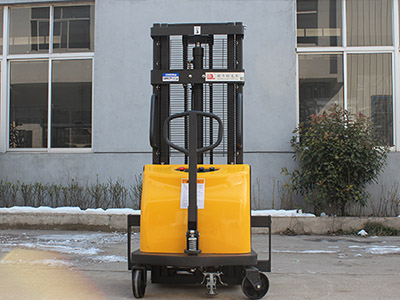
Self loading stacker need to be careful when handling goods. Unsafe or unstable loading of storage and handling forklifts is not allowed. Pay attention to safety and stability when stacking goods to prevent the self loading stacker from overturning and overturning. If the self loading stacker is loading, and the front line of sight is blocked, please reverse the vehicle. Do not use defective or damaged pallets, which are prone to accidents. Pay attention to placing the tray in a dedicated area and do not place it randomly. When driving an self loading stacker, you must slow down when turning and sound the horn to warn to prevent collisions. When the self loading stacker lifts the pallet, pay attention to the lifting height, because this will also affect the stability of the self loading stacker. At the same time, attention should be paid to avoid damage to the electric forklift caused by heavy load operations. When working continuously for a long time, you should pay attention to adjusting the rest time; if the load capacity of the electric hydraulic forklift is insufficient, a larger electric hydraulic forklift must be replaced without overloading.
-
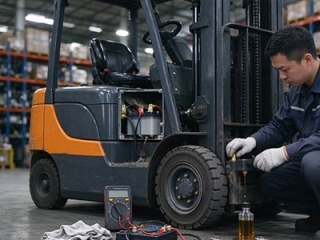 Reliability Of Newnewton Warehouse Forklifts For Heavy-Duty ShiftsWarehouse forklift reliability relies on industrial parts, reinforced frames and factory durability tests. Proper operation and maintenance reduce unexpected downtime.
Do you like ?0
Read more -
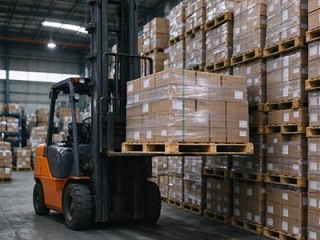 Forklift Configuration Strategy For Dense Warehousing, Warehouse ForkliftDense warehousing needs matched forklifts besides racks. Reach and trilateral stackers fit different layouts, coordinate aisle, load curve and floor for smooth handling.
Do you like ?0
Read more -
 Full Container Supply For Export Forklifts, Forklift ManufacturerBulk forklift orders for overseas can ship by FCL or LCL. Newnewton FCL offers stable freight, safer packing and mixed models for large purchases.
Do you like ?0
Read more -
 Stand-on Reach Stacker For Narrow Aisle Stacking, Mast Reach StructureStand-on reach stackers feature sliding masts that stay outside racks. They boost storage density in narrow aisles and require flat floors and standard pallets.
Do you like ?0
Read more -
 Stand-on Counterbalance Stacker For Various Pallets, Why No Leg RestrictionCounterbalance stackers have no front outriggers, using rear counterweight to avoid pallet interference. They fit various odd pallets yet need wider warehouse aisles.
Do you like ?0
Read more -
 Custom Walk-Behind Counterbalance Stacker | Non-Standard ModificationsStandard walk-behind counterbalance stackers struggle with non-standard pallets and tight aisles. Customize load, lift, forks and structure, share working conditions for safe design.
Do you like ?0
Read more