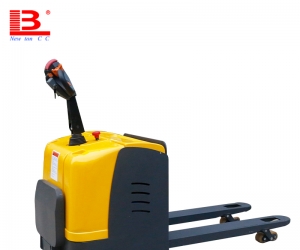
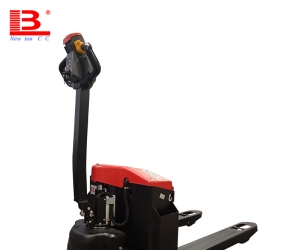
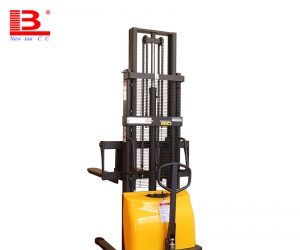
Walk‑Behind Counterbalance Stacker | Leg‑Free Electric Stacker for Warehouse
Small‑and‑medium warehouses often face various pallet‑specification troubles when selecting stacking equipment. Conventional straddle stackers are restricted by front support legs and cannot handle bottom‑less or closed pallets. Large‑size forklifts will raise procurement budget. Walk‑behind counterbalance stacker, also known as leg‑free electric stacker for warehouse, fills such market gap. This article shares practical selection guidance.
Confirm Pallet Types for Model Compatibility
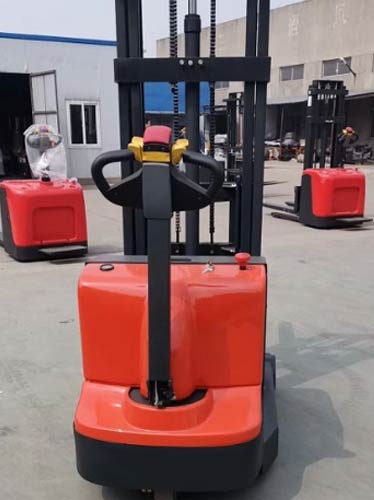
The core advantage of leg‑free stacker lies in no front supporting legs. Forks can pick goods close to ground, working well for field pallets, closed plastic pallets and floor‑stacked cargo.
If your warehouse only uses standard open‑bottom pallets such as nine‑foot or Chuan‑zi pallets, ordinary straddle stackers deliver better cost‑performance. Leg‑free counterbalance models are necessary mainly when a large number of bottom‑less or closed‑base pallets are applied.
Calculate Load Capacity & Pay Attention to Load Derating at Lifting Height
Do not select models merely according to maximum cargo weight. Safety margin shall be reserved. Actual allowable load declines as lifting height rises. When lifting up to 3 m, load capacity commonly drops by 30%‑40%.
For instance, if maximum rack height is 3 m and heaviest cargo weighs 1 ton, 1‑ton model is not recommended. Choose 1.5‑ton unit instead to avoid working near load limit which accelerates wear of mast and hydraulic system. Most small‑medium warehouses handle 1‑1.5 ton goods, and 1.5‑ton is the most versatile mainstream specification.
Measure Warehouse Aisle Width and Match Turning Radius
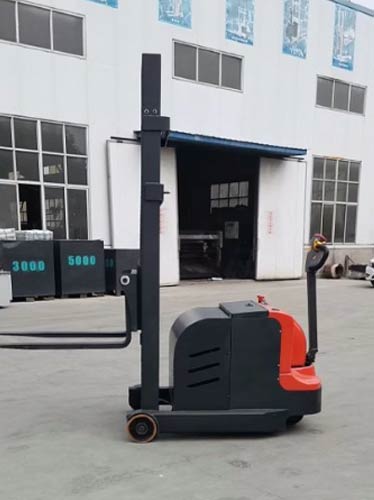
Equipped with rear counterweight block, walk‑behind counterbalance stacker has longer overall length and larger turning radius compared with straddle stackers.
For mainstream 1‑1.5 ton models, over 2.2 m clear aisle width is suggested for right‑angle stacking operation. Be cautious if aisle width is below 2 m, since insufficient space will cause turning difficulty. Measure actual clear distance between racks instead of only referring to theoretical datasheet parameters.
Select Power Configuration Based on Operation Frequency
Lead‑acid battery version is cost‑effective for single‑shift intermittent work with less than 30 pallets handled per day. For high‑frequency multi‑shift inbound‑outbound tasks, lithium‑battery configuration is preferred. It supports opportunity charging without long waiting‑time and reduces equipment downtime.
For leg‑free electric stacker for warehouse deployment, avoid blindly pursuing higher tonnage. Comprehensive evaluation shall cover pallet style, rack height, aisle dimension and operation frequency. Focus on real‑load performance under high lifting height so as to pick suitable stacking equipment matching actual warehouse conditions.
-
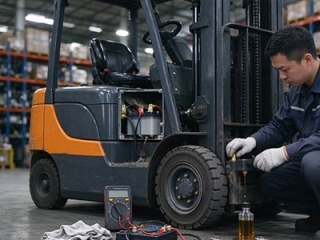 Reliability Of Newnewton Warehouse Forklifts For Heavy-Duty ShiftsWarehouse forklift reliability relies on industrial parts, reinforced frames and factory durability tests. Proper operation and maintenance reduce unexpected downtime.
Do you like ?0
Read more -
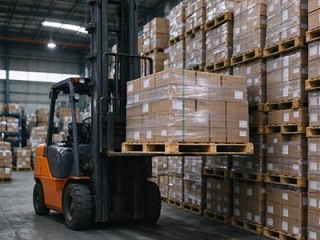 Forklift Configuration Strategy For Dense Warehousing, Warehouse ForkliftDense warehousing needs matched forklifts besides racks. Reach and trilateral stackers fit different layouts, coordinate aisle, load curve and floor for smooth handling.
Do you like ?0
Read more -
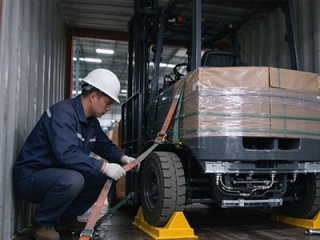 Full Container Supply For Export Forklifts, Forklift ManufacturerBulk forklift orders for overseas can ship by FCL or LCL. Newnewton FCL offers stable freight, safer packing and mixed models for large purchases.
Do you like ?0
Read more -
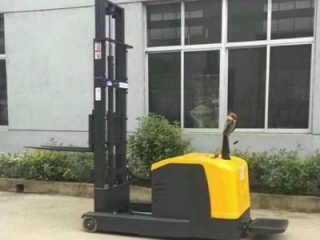 Stand-on Reach Stacker For Narrow Aisle Stacking, Mast Reach StructureStand-on reach stackers feature sliding masts that stay outside racks. They boost storage density in narrow aisles and require flat floors and standard pallets.
Do you like ?0
Read more -
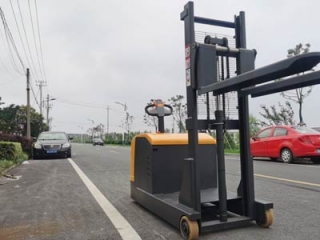 Stand-on Counterbalance Stacker For Various Pallets, Why No Leg RestrictionCounterbalance stackers have no front outriggers, using rear counterweight to avoid pallet interference. They fit various odd pallets yet need wider warehouse aisles.
Do you like ?0
Read more -
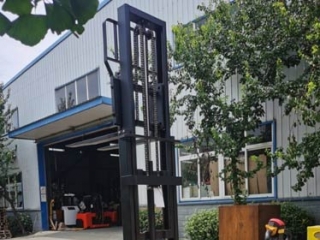 Custom Walk-Behind Counterbalance Stacker | Non-Standard ModificationsStandard walk-behind counterbalance stackers struggle with non-standard pallets and tight aisles. Customize load, lift, forks and structure, share working conditions for safe design.
Do you like ?0
Read more