
Avoid Wrong Selection: 4 Key Tips for Walkie Full Electric Pallet Truck
Many warehouse buyers only compare load capacity and price when purchasing walkie electric pallet trucks. Poor matching with working conditions often leads to access failure in narrow aisles or insufficient battery life on ramps. Focus on four core points to get suitable models from a walkie electric pallet truck manufacturer.
First, verify load capacity and load center and reserve safety margin. Do not select a model whose rated load just equals your cargo weight. Offset cargo center and overhanging packages reduce actual load capacity. For example, a raw material warehouse transferring 1.6-ton goods per trip should choose a 2-ton walkie pallet truck to handle offset load and occasional overloaded pallets. Continuous full-load operation accelerates wear of frames and drive motors.
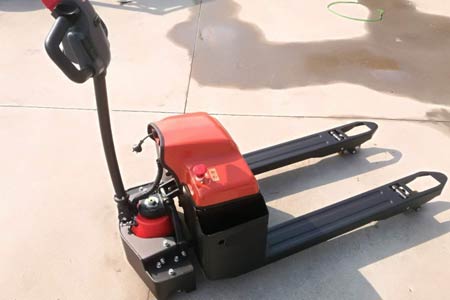
Second, confirm aisle width and fork specifications. Measure the clear aisle width after rack installation and compare it with the equipment’s right-angle stacking aisle parameter. Slim-body models are preferred for narrow warehouses. Fork outer width and length need to fit your regular pallets. 550mm and 685mm are common domestic sizes. Custom forks for special pallets can be ordered in advance to avoid fitting problems.
Third, choose battery type according to operation intensity. Lead-acid models fit single-shift and intermittent tasks with limited budget. Lithium versions are ideal for high-frequency transfer in two-shift transit warehouses. Opportunity charging is supported without long downtime. Removable batteries enable quick swap for nonstop operation.
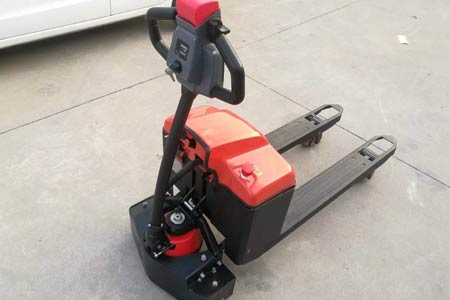
Fourth, select wheels and protective configurations based on floor conditions. Polyurethane wheels run quietly and protect epoxy floors. Nylon wheels are wear-resistant for gravel and rough concrete surfaces. Check climbing performance and moisture-proof electric components for ramps, cold storage and humid areas. Standard indoor models cannot be directly used in harsh environments.
When choosing a walkie full electric pallet truck for warehouses, check the manufacturer’s certificates, spare parts lead time and after-sales plans besides technical parameters. Trusted manufacturers provide site-based suggestions to cut post-purchase modification and return risks and keep smooth warehouse logistics.
-
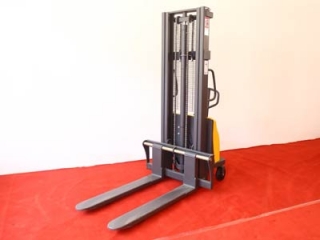 Get the Aisle Right: 3 Key Dimensions for Narrow Aisle Semi-Electric StackerFor narrow-aisle semi-electric stackers, distinguish travel width, Ast stacking width and leg width. Reserve space to avoid turning failure after delivery.
Do you like ?0
Read more -
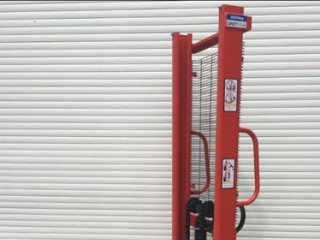 Tight Budget for Stacking: Newnewton Manual Hydraulic Stacker for WarehouseManual hydraulic stackers suit low-budget small warehouses for occasional stacking. No charging required, easy to operate for sporadic restocking.
Do you like ?0
Read more -
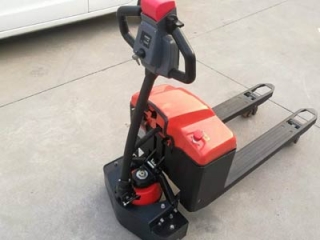 Avoid Wrong Selection: 4 Key Tips for Walkie Full Electric Pallet TruckCompare more than load and price for walkie pallet trucks. Check load margin, fork, battery and wheels, plus supplier qualifications and after-sales support.
Do you like ?0
Read more -
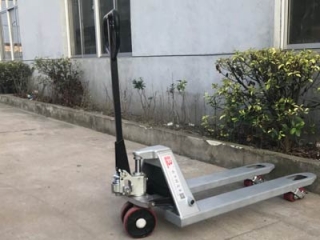 Cut Repair Costs: Must-Check Items for Manual Hydraulic Pallet TruckFrequent failures of manual pallet trucks stem from poor inspections. Check hydraulics, wheels and frames before shifts to fix jamming, weak lifting and leakage early.
Do you like ?0
Read more -
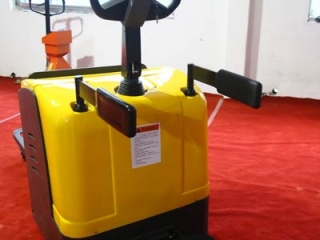 Guardrail Stand-on Full Electric Pallet Truck | Key Safety Features You NeedStand-on electric pallet trucks with integrated guardrails have multi electronic protections to reduce collision, rollaway and tipping risks in mixed pedestrian zones.
Do you like ?0
Read more -
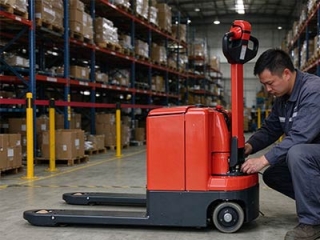 Maintenance Notes for Double Pallet Truck Under Heavy Warehouse LoadsOperators often ignore abnormal motor noise of double pallet trucks during rush orders. Continuous operation burns motors. Timely maintenance prevents failures.
Do you like ?0
Read more








