
Narrow Aisle Walkie Electric Pallet Jack Wheel Replacement Steps
Many narrow-space warehouses rely on walk-behind electric pallet jack for daily cargo handling. Tire wear is the most common failure of walk-behind electric pallet truck. Many operators do not know how to replace tires of walk-behind electric pallet truck correctly, resulting in slipping, rack collision and unstable traveling in narrow aisles. Reasonable and standard tire replacement can effectively restore the working performance of the electric pallet jack and ensure smooth warehouse operation.
Before replacing tires of walk-behind electric pallet truck, complete full safety locking. Park the walk-behind electric pallet jack on flat and solid ground, press the emergency stop button to cut off the power supply, and use stoppers to fix the truck body to prevent sliding during maintenance. Prepare jacks and professional tools in advance, and strictly distinguish drive wheels and load wheels, since different wheel specifications cannot be mixed for the walk-behind electric pallet truck.
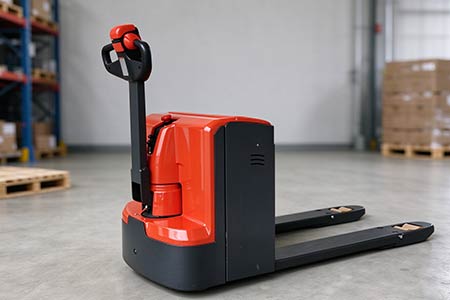
Jack up the equipment to make the tire suspended, remove the fixing pins and bolts, and take out the worn old tire of the walk-behind electric pallet truck. Clean the dust and rust on the axle, and check the bearing condition. Damaged bearings will cause deviation of the narrow aisle walk-behind electric pallet jack, leading to abnormal wear of new tires and affecting narrow-channel passing performance.
When selecting new replacement tires for walk-behind electric pallet truck, do not only refer to the appearance. It is necessary to match the original parameters to ensure the inner hole, width and outer diameter are standard. The narrow aisle walk-behind electric pallet jack is extremely sensitive to overall size. Unqualified tires will change the chassis height and turning radius, causing unsmooth steering in narrow aisles. Choose polyurethane tires for epoxy floor warehouses and anti-slip rubber tires for humid sites according to actual working conditions.
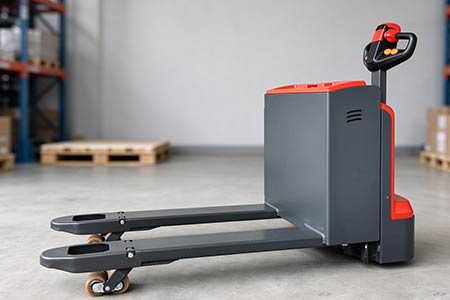
Install the new tire and bearing in place, fix the bolts evenly, and manually rotate the wheel to confirm no jamming or shaking. For the narrow aisle walk-behind electric pallet jack with symmetrical wear on both sides, replace tires in pairs to keep the equipment balanced and avoid cargo tilting during operation.
After replacing tires of the walk-behind electric pallet truck, remove the jack and stoppers, and conduct low-speed no-load trial operation. Test straight running and steering in narrow aisles to check for abnormal noise and drifting. Only when the walk-behind electric pallet jack runs normally can it be put into formal cargo handling work.
Daily inspection is essential for the walk-behind electric pallet truck. When the tire tread has deep cracks, severe wear or frequent slipping, you need to replace the tires in time. Standard tire replacement and maintenance can greatly reduce the failure rate of the narrow aisle walk-behind electric pallet jack, avoid warehouse collision accidents, and stabilize daily handling efficiency.
If you need original supporting tires and accessories for walk-behind electric pallet truck, provide your equipment model to get professional customized matching solutions.
-
 Reliability Of Newnewton Warehouse Forklifts For Heavy-Duty ShiftsWarehouse forklift reliability relies on industrial parts, reinforced frames and factory durability tests. Proper operation and maintenance reduce unexpected downtime.
Do you like ?0
Read more -
 Forklift Configuration Strategy For Dense Warehousing, Warehouse ForkliftDense warehousing needs matched forklifts besides racks. Reach and trilateral stackers fit different layouts, coordinate aisle, load curve and floor for smooth handling.
Do you like ?0
Read more -
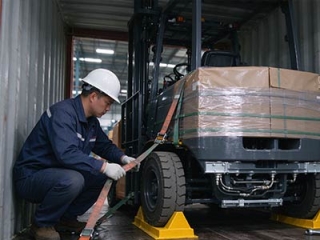 Full Container Supply For Export Forklifts, Forklift ManufacturerBulk forklift orders for overseas can ship by FCL or LCL. Newnewton FCL offers stable freight, safer packing and mixed models for large purchases.
Do you like ?0
Read more -
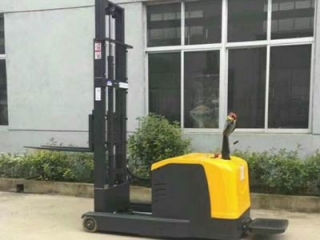 Stand-on Reach Stacker For Narrow Aisle Stacking, Mast Reach StructureStand-on reach stackers feature sliding masts that stay outside racks. They boost storage density in narrow aisles and require flat floors and standard pallets.
Do you like ?0
Read more -
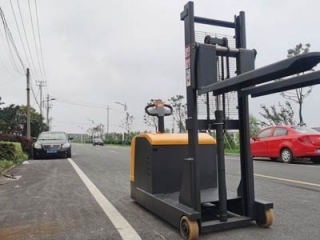 Stand-on Counterbalance Stacker For Various Pallets, Why No Leg RestrictionCounterbalance stackers have no front outriggers, using rear counterweight to avoid pallet interference. They fit various odd pallets yet need wider warehouse aisles.
Do you like ?0
Read more -
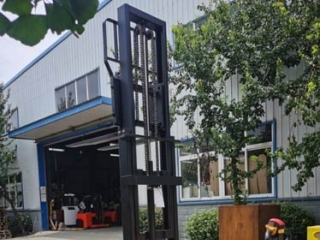 Custom Walk-Behind Counterbalance Stacker | Non-Standard ModificationsStandard walk-behind counterbalance stackers struggle with non-standard pallets and tight aisles. Customize load, lift, forks and structure, share working conditions for safe design.
Do you like ?0
Read more








