Which Is Better: Walk-behind Or Stand-on Mini Electric Stacker Buying Guide 2026
When purchasing electric stackers for small warehouses in 2026, the top question to clarify is Which Is Better: Walk-behind Or Stand-on Mini Electric Stacker. These two types fit totally different working scenarios with obvious gaps in cost and throughput; there is no universal superior option, only the most suitable one for your storage layout. This guide covers full comparison details.
Core Features & Applicable Scenarios of Walk-behind Electric Stacker
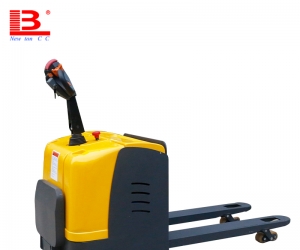
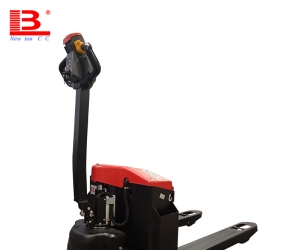
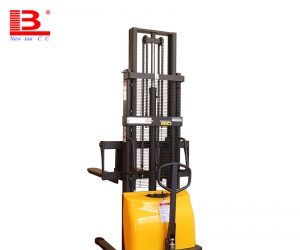
Walk-behind stackers have no standing footplate or safety guardrails with ultra-simplified compact frames. Operators follow the truck on foot and control travel & lifting via the handle.
Space Advantages
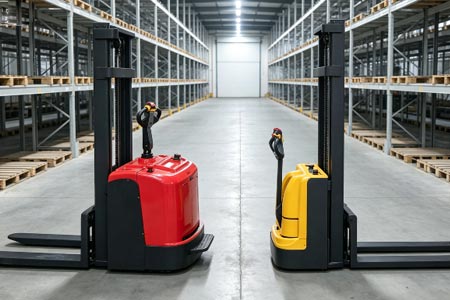
Narrow overall width and ultra-small turning radius, compatible with minimum 1.6m clear narrow aisles. It navigates freely in densely racked small warehouses, frequently passing through freight elevators and narrow doorways. No rack removal or aisle widening required for old storage facilities.
Lower Procurement & Running Cost
Under identical load capacity, ex-factory price is 20%–30% cheaper than stand-on models. Equipped with small-capacity lithium batteries for low power consumption. Without standing platforms and guardrails, fewer wearing parts are involved; daily maintenance only requires dust cleaning and wiring inspection with minimal service fees.
Working Limitations
Travel speed is limited to around 3km/h, recommended one-way transfer distance within 50 meters. Operators walk the whole shift, prone to leg fatigue after over 4 continuous working hours, unsuitable for high-frequency long-distance stacking. Limited options on load capacity and max lifting height, unable to handle double pallets or ultra-high mast stacking.
Matching Warehouse Types
Community e-commerce front warehouses, convenience store & beauty retail back storage, small garment warehouses, temporary semi-finished goods zones in workshops. Ideal for sites with daily operation ≤4 hours, short transfer routes, light cargo and tight procurement budgets.
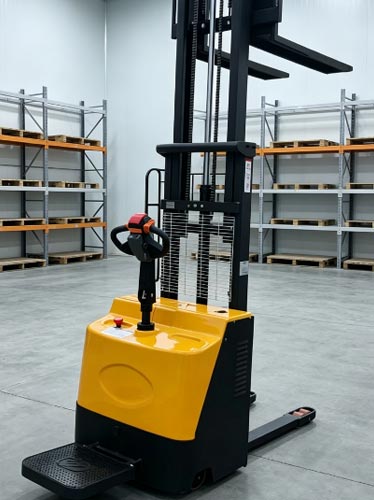
Core Advantages & Working Limitations of Stand-on Electric Stacker
The Stand-on Electric Stacker comes with foldable standing footplates and safety guard arms for operators to ride while controlling, the mainstream high-efficiency solution for small & medium warehouses.
Higher Operation Throughput
Higher-power drive motor delivers travel speed of 5–6km/h with over 8 hours full-load runtime. It covers 100–300m cross-warehouse routes per trip, achieving 60% higher pallet stacking volume than walk-behind units within the same timeframe. Supports extended masts and double-pallet simultaneous transport for high-level rack storage and bulk cargo turnover.
Reduce Operator Physical Fatigue
Operators stand on the truck instead of walking nonstop, greatly lowering exhaustion during all-day continuous shifts. It cuts labor rotation costs for warehouses with surging daily orders.
Working Limitations
Wider overall frame requires minimum 1.8m aisles for right-angle stacking; frequent rack collision risks in compact warehouses below 1.8m width. Higher upfront investment cost, and operators need professional operation certificates, resulting in weak cost performance for scattered small storage spaces.
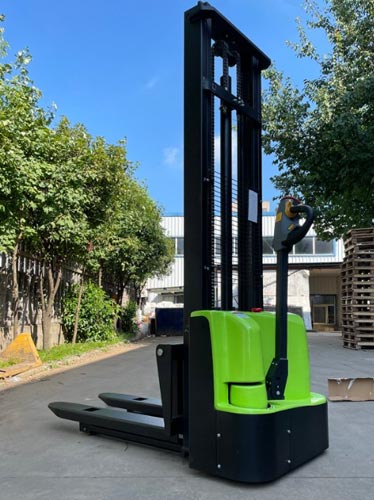
Matching Warehouse Types
Medium e-commerce sorting warehouses, hardware processing workshops, logistics transit staging zones. Suitable for facilities with daily stacking over 6 hours, long cross-warehouse distances, high pallet turnover frequency and high-level rack storage demands.
Final Selection Summary
Neither walk-behind nor Stand-on Electric Stacker is absolutely better — suitability depends entirely on your site conditions.
Choose walk-behind stackers if: Warehouse aisle width <1.8m, short daily operation hours, limited budget, narrow space requiring frequent elevator access, light cargo with low stacking frequency.
Choose stand-on electric stackers if: Daily stacking over 6 hours, long cross-warehouse transfer distances, massive daily pallet throughput, demand for high masts / double-pallet transport, and need to reduce staff physical fatigue.
If you are unsure about model matching, contact our factory specialists to customize the right specification based on your actual warehouse layout and daily workload to answer Which Is Better: Walk-behind Or Stand-on Mini Electric Stacker.
-
 Reliability Of Newnewton Warehouse Forklifts For Heavy-Duty ShiftsWarehouse forklift reliability relies on industrial parts, reinforced frames and factory durability tests. Proper operation and maintenance reduce unexpected downtime.
Do you like ?0
Read more -
 Forklift Configuration Strategy For Dense Warehousing, Warehouse ForkliftDense warehousing needs matched forklifts besides racks. Reach and trilateral stackers fit different layouts, coordinate aisle, load curve and floor for smooth handling.
Do you like ?0
Read more -
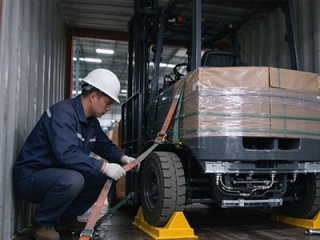 Full Container Supply For Export Forklifts, Forklift ManufacturerBulk forklift orders for overseas can ship by FCL or LCL. Newnewton FCL offers stable freight, safer packing and mixed models for large purchases.
Do you like ?0
Read more -
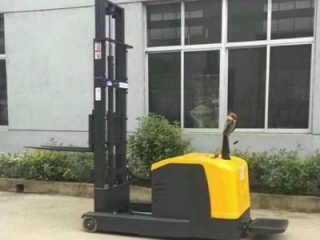 Stand-on Reach Stacker For Narrow Aisle Stacking, Mast Reach StructureStand-on reach stackers feature sliding masts that stay outside racks. They boost storage density in narrow aisles and require flat floors and standard pallets.
Do you like ?0
Read more -
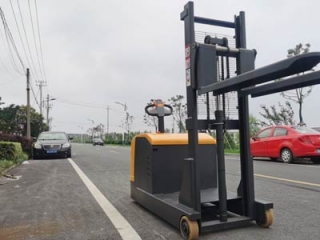 Stand-on Counterbalance Stacker For Various Pallets, Why No Leg RestrictionCounterbalance stackers have no front outriggers, using rear counterweight to avoid pallet interference. They fit various odd pallets yet need wider warehouse aisles.
Do you like ?0
Read more -
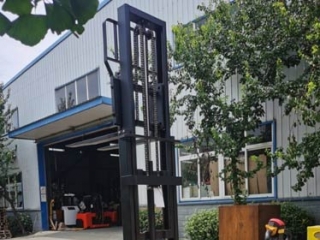 Custom Walk-Behind Counterbalance Stacker | Non-Standard ModificationsStandard walk-behind counterbalance stackers struggle with non-standard pallets and tight aisles. Customize load, lift, forks and structure, share working conditions for safe design.
Do you like ?0
Read more